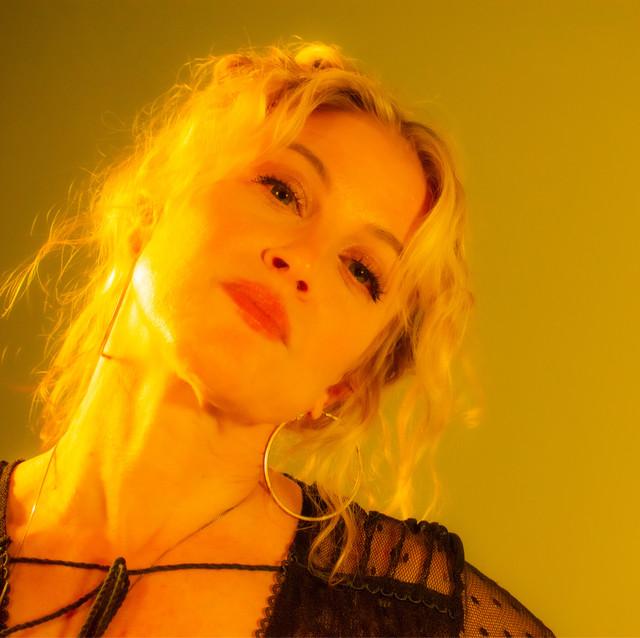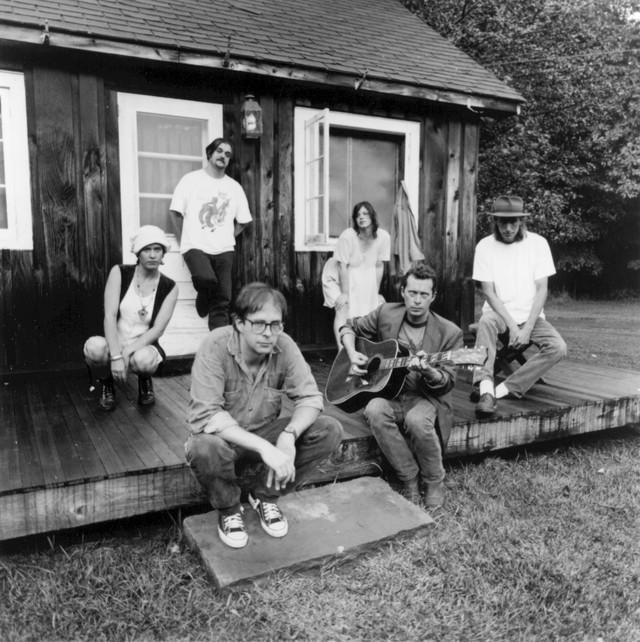
Susan Cowsill

Country
Americana/Alt Country
Contemporary Blues
 Viberate Rank: 274037
 Viberate Rank: 274037
 Monthly ListenersFollowers
 Subscribers
 Followers
 Followers
 FansTop Spotify Songs
| Track | 7-Day Streams | |
|---|---|---|
1 | 112 | |
2 | 47 | |
3 | 42 | |
4 | 39 | |
5 | 22 |
Top YouTube Videos| Video | 7-Day Views | |
|---|---|---|
1 | 4 |
Monthly ListenersFeatured in Playlists| Playlist | Followers | |
|---|---|---|
1 | Treme HBO bentomlinson | 9.50K |
2 |  Treme Soundtrack: All Seasons Ignatious Pop | 6.12K |
3 |  Underwater Sunshine - the podcast Adam Duritz | 5.18K |
4 | New Orleans / Louisiana (Mardi Gras) music Steve Apple | 3.60K |
5 | BLUS Biergarten Mönchshof | 2.39K |
Audience| City | Monthly Listeners | |
|---|---|---|
1 | | 14 |
2 |  | 12 |
3 | | 10 |
4 |  | 7 |
5 | | 7 |
See full performance history, audience data, playlist activity, rankings, comparisons, and more in Viberate music analytics. Start with a free trial, then continue with a paid plan.
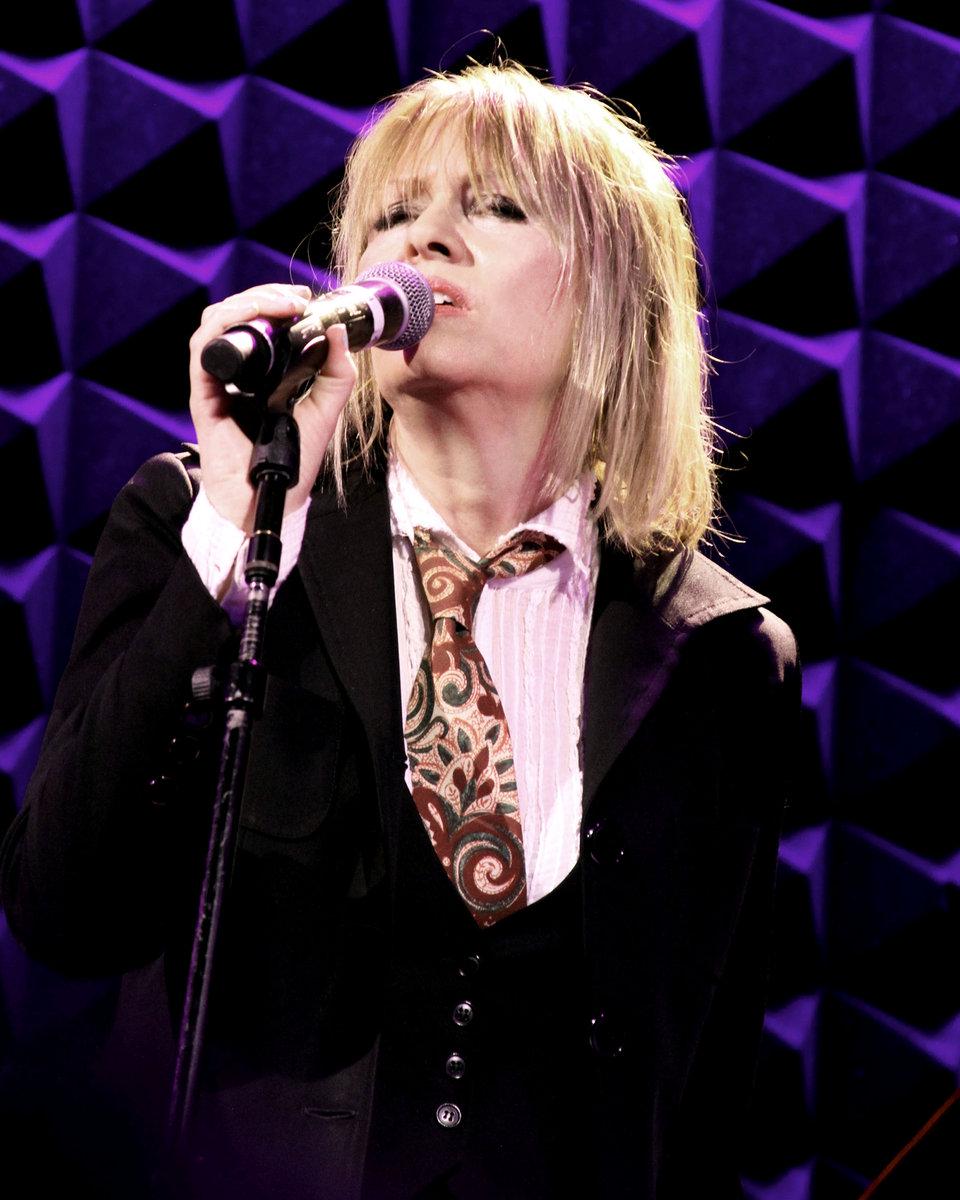
Susan Cowsill’s Spotify BioSusan Cowsill began her career in the music industry at the tender age of seven years old, when she joined her brothers Bill, Bob, Barry, Paul, and John and her mother Barbara in the pop group the Cowsills in 1966. While best remembered as the real-life group that inspired the television series The Partridge Family, the Cowsills scored a handful of fine hit singles (including "Hair," "Indian Lake," and "The Rain, the Park and Other Things") and released six albums before the group disbanded in 1971, when Susan was 12. While the Cowsills did periodic reunion shows (and cut a well-received new album in 1998, Global), Susan took a break from the music business for most of the 1970s, though she cut a pair of little-heard singles for Warner Brothers in 1977. It was in the early '80s that Susan began making a serious name for herself again in music, initially as a backing vocalist. She became a full-time member of Dwight Twilley's band and sang on several of his albums in the 1980s,… including 1984's Jungle, which spawned the hit single "Girls." In the 1990s, Susan's career moved into higher gear; she was in demand as a backing vocalist, lending her talents to albums by Hootie & the Blowfish, Giant Sand, the Smithereens, Carlene Carter, and Jules Shear, and she began to step back into the spotlight when she joined the alt-country supergroup the Continental Drifters, which also featured former Bangles guitarist Vicki Peterson and Peter Holsapple of the dB's. Susan and Peter also formed a personal partnership when they wed in 1992, while Vicki and Susan devoted some of their spare time to a side project, the Psycho Sisters, who played club dates and released a single. The Continental Drifters won enthusiastic reviews and a potent cult following in the United States, and even greater commercial success in Europe, releasing three albums and an EP between 1994 and 2001. However, Susan Cowsill and Peter Holsapple divorced in 2001, and Susan opted to leave the group later that year. Susan soon formed a solo band with Chris Knotts on guitar, Rob Savoy on bass, and Russ Broussard on drums; Broussard, who had played with the Continental Drifters, married Susan in 2003, and as a side project they put together a zydeco band, the Bonoffs, which gigged periodically around their adopted hometown of New Orleans. In 2005, only 38 years after appearing on record for the first time, Susan Cowsill finally released her first solo album, the critically acclaimed Just Believe It, which featured guest appearances from Vicki Peterson, Lucinda Williams, and Adam Duritz. ~ Mark Deming, Rovi
Viberate is a music analytics platform built for A&Rs, artist managers, labels, booking agents, marketers, and artists.
It helps music professionals track artist growth, analyze audience data, monitor playlist activity, compare artists, follow song performance, and identify opportunities across the music market.
Public artist pages provide a free preview of selected artist data. Paid plans provide access to deeper analytics, historical data, charts, comparisons, playlist tools, exports, alerts, reports, and additional professional features.
Yes. Public Viberate artist pages provide selected artist analytics and music data for free.
Viberate also offers a 7-day free trial of the full platform. A credit card is required to start the trial. The trial includes access to the complete product so users can test deeper artist analytics, historical views, playlist insights, comparisons, charts, exports, alerts, and reporting features before choosing a paid plan.
Viberate provides artist analytics across streaming, playlists, social media, video, radio airplay, songs, and audience markets.
Users can analyze Spotify performance, Spotify and Apple Music playlists, YouTube activity, TikTok and Instagram growth, radio spins, song performance, audience locations, demographics, rankings, and overall artist momentum.
Artist profiles also connect to music charts, similar artists, and comparison tools, helping users benchmark performance and evaluate artists in context.
Viberate updates key artist and track data daily.
For followed artists and tracks, selected data is refreshed multiple times per day. This helps teams monitor playlist changes, streaming movement, audience growth, releases, and campaign performance with more current data.
Update frequency can vary depending on the metric and data source.
Yes. Viberate lets users compare up to five artists side by side across streaming, social media, audience, and engagement metrics.
Users can compare fanbase growth, audience demographics, locations, Spotify performance, social metrics, and other artist data over selected time periods.
Artist comparison can be used for A&R scouting, benchmarking, booking decisions, campaign planning, and evaluating artists with similar audiences or market positions.