Tommy Hunt

R&B
Soul
Classic Blues
 Viberate Rank: 339486
 Viberate Rank: 339486
 Monthly ListenersFollowers
 Subscribers
 Followers
 Followers
 FansTop Spotify Songs
| Track | 7-Day Streams | |
|---|---|---|
1 | 623 | |
2 | 313 | |
3 | 240 | |
4 | 206 | |
5 | 75 |
Top YouTube VideosMonthly ListenersFeatured in Playlists| Playlist | Followers | |
|---|---|---|
1 | Unofficial Reverb Radio Jeff Ferruzzo | 21.82K |
2 | Originals that are less Famous than the Cover Versions Auke Riemersma | 10.67K |
3 |  El Sótano de Radio 3 Groovyfamily | 9.84K |
4 |  Burt Bacharach Collection Kjell Rydjer | 9.59K |
5 |  REVERBERATION RADIO Giel van der Leest | 6.62K |
Audience| City | Monthly Listeners | |
|---|---|---|
1 |  | 160 |
2 | | 130 |
3 | | 55 |
4 | | 43 |
5 |  | 37 |
See full performance history, audience data, playlist activity, rankings, comparisons, and more in Viberate music analytics. Start with a free trial, then continue with a paid plan.
Tommy Hunt’s Spotify BioPittsburgh-born vocalist Tommy Hunt's recording career began at age 20, when he cut singles with his first group, the Five Echoes, in 1953. It was five years later, however, that he made his greatest mark on popular music, rock & roll, and R&B, as a member of the Flamingos from 1958 through 1961. Those years coincided with the group's being signed to End Records, and the release of their biggest, most identifiable hit, "I Only Have Eyes for You" -- Hunt's dramatic background singing, coupled with the restrained piano backing, made it one of the transcendent documents of '50s R&B. He can also be seen singing lead in a killer jump-blues performance in the juke box movie classic Go, Johnny, Go, as the group (back to a five-piece) mimes to their End recording of "Jump Children."
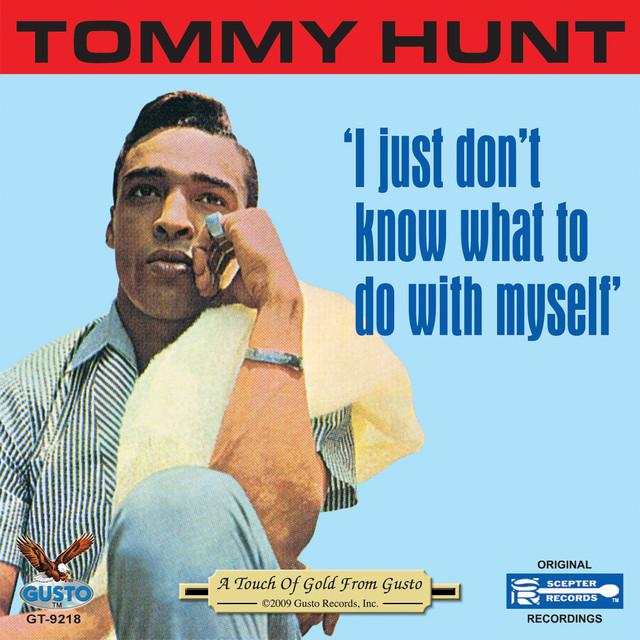
Hunt left the Flamingos in 1962 and signed as a solo artist with Florence Greenberg's Scepter Records in New York. Greenberg reportedly wasn't impressed with Hunt as a singer or an individual, but Luther Dixon, the… company's chief of A&R and general music director, loved Hunt's voice, providing him with "Human," which became a number five R&B hit in late 1961. Hunt continued with the label for another three years, until 1964, cutting a complete album (I Just Don't Know What to Do with Myself) in late 1962. His version of the title track was never a single, but it predated the more famous hit by Dusty Springfield by nearly two years. In late 1963, following the departure of Dixon from Scepter, Ed Townsend became the company's music director, and one of his very first productions was Tommy Hunt's recording of Townsend's "I Am a Witness," which featured Bernard Purdie on drums and Mickey Baker on guitar, with Hunt's vocals backed up by the Shirelles, Dee Dee Warwick, and the Sweet Inspirations. The single was Hunt's last chart entry for the label, reaching number 71.
Hunt left Scepter in 1964, and later moved to the Dynamo label, on which he had a charting single in 1967. He later moved to Europe, and performed in Germany and the United Kingdom, developing a strong following on the British Northern Soul scene. In 2001, he was inducted into the Rock & Roll Hall of Fame as a member of the Flamingos, and in the 2010s he led Tommy Hunt & the New Flamingos. Hunt's only album, on Scepter, hasn't been reissued, but tracks from it, as well as his hit singles from the label and several other sides, turned up on Capricorn's 1992 Scepter Records Story double-CD set. Tommy Hunt died on February 12, 2025, at the age of 91. ~ Bruce Eder, Rovi
Viberate is a music analytics platform built for A&Rs, artist managers, labels, booking agents, marketers, and artists.
It helps music professionals track artist growth, analyze audience data, monitor playlist activity, compare artists, follow song performance, and identify opportunities across the music market.
Public artist pages provide a free preview of selected artist data. Paid plans provide access to deeper analytics, historical data, charts, comparisons, playlist tools, exports, alerts, reports, and additional professional features.
Yes. Public Viberate artist pages provide selected artist analytics and music data for free.
Viberate also offers a 7-day free trial of the full platform. A credit card is required to start the trial. The trial includes access to the complete product so users can test deeper artist analytics, historical views, playlist insights, comparisons, charts, exports, alerts, and reporting features before choosing a paid plan.
Viberate provides artist analytics across streaming, playlists, social media, video, radio airplay, songs, and audience markets.
Users can analyze Spotify performance, Spotify and Apple Music playlists, YouTube activity, TikTok and Instagram growth, radio spins, song performance, audience locations, demographics, rankings, and overall artist momentum.
Artist profiles also connect to music charts, similar artists, and comparison tools, helping users benchmark performance and evaluate artists in context.
Viberate updates key artist and track data daily.
For followed artists and tracks, selected data is refreshed multiple times per day. This helps teams monitor playlist changes, streaming movement, audience growth, releases, and campaign performance with more current data.
Update frequency can vary depending on the metric and data source.
Yes. Viberate lets users compare up to five artists side by side across streaming, social media, audience, and engagement metrics.
Users can compare fanbase growth, audience demographics, locations, Spotify performance, social metrics, and other artist data over selected time periods.
Artist comparison can be used for A&R scouting, benchmarking, booking decisions, campaign planning, and evaluating artists with similar audiences or market positions.