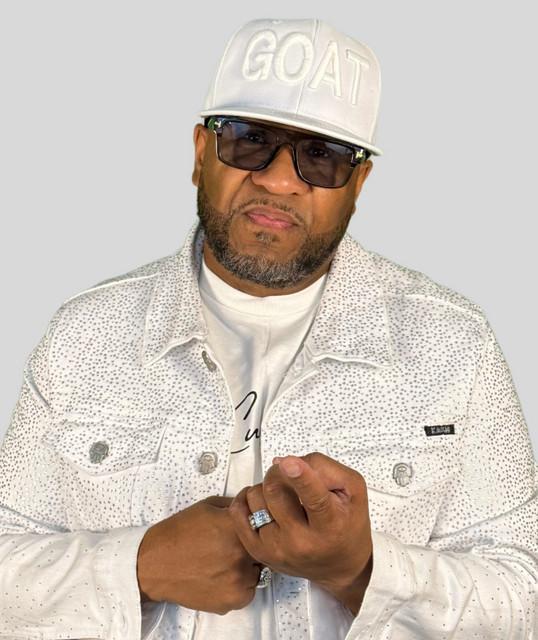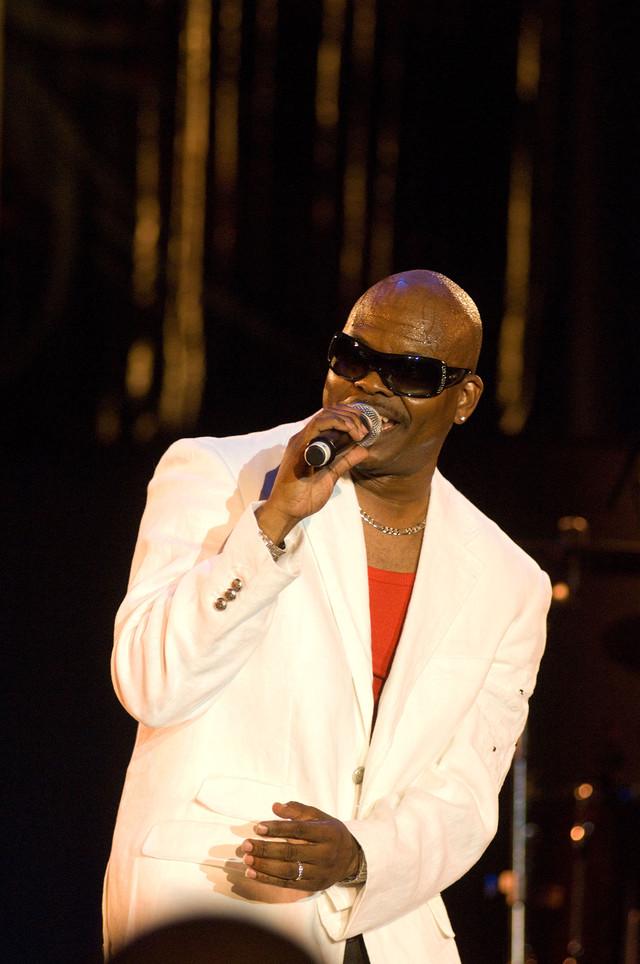
T.K. Soul

R&B
Contemporary R&B
Contemporary Blues
Soul Blues
 Viberate Rank: 31547
 Viberate Rank: 31547
 Monthly ListenersFollowers
 Subscribers
 Followers
 Followers
 FansTop Spotify Songs
| Track | 7-Day Streams | |
|---|---|---|
1 | 19.72K | |
2 | 15.32K | |
3 | 13.93K | |
4 | 11.48K | |
5 | 9.23K |
Top YouTube Videos| Video | 7-Day Views | |
|---|---|---|
1 | 25.18K | |
2 | 22.24K | |
3 | 13.47K | |
4 | 7.08K | |
5 | 6.93K |
Monthly ListenersFeatured in Playlists| Playlist | Followers | |
|---|---|---|
1 | King George playlist❤️ La’Niyah | 28.57K |
2 | Southern Soul Hits 2026 Toya da hustler | 16.68K |
3 | Line Dances & Club Bangger 22huvhvcqugxs5gk3ul2h6qdi | 15.05K |
4 | Southern Soul Blues Mix 2024 rquick1202 | 12.36K |
5 | Southern Soul BBQ Mix Jerald Henry | 10.64K |
Audience| City | Monthly Listeners | |
|---|---|---|
1 | | 7.15K |
2 | | 6.68K |
3 | | 5.48K |
4 | | 3.65K |
5 | | 3.30K |
See full performance history, audience data, playlist activity, rankings, comparisons, and more in Viberate music analytics. Start with a free trial, then continue with a paid plan.
T.K. Soul’s Spotify BioContemporary soul singer T.K. Soul has built a loyal grassroots following for his music that mixes R&B traditions with modern-day attitude and hip-hop accents. T.K. Soul was born Terence Kimble in Winnfield, Louisiana on August 26, 1964. From a young age, Kimble had a keen ear for music, and soaked up the influences of soul, funk, and R&B artists ranging from Stevie Wonder, the Jackson 5, and Al Green to Maze, Rick James, and Prince. When he was ten years old, Kimble picked up a guitar, and discovered he could easily play it by ear. Before long, Kimble was also playing keyboards, drums, and bass, and by the time he was in junior high, he had already been recruited to play in the local high school's band. Music became the dominant force in Kimble's life, as he juggled gigs with school bands, church choir, and local R&B acts. After a painful breakup with his girlfriend, Kimble began writing songs, and while DJ'ing at clubs and parties, he began singing his own songs during breaks. Kimble… began looking for a record contract, but his inexperience in the music business kept him on the sidelines for close to a decade. Kimble began touring with R&B and funk acts as a sideman, and while performing with the band Under 21 (who would later record for Motown under the name Profyle), he was scouted by the manager of the successful Houston-based vocal group H-Town. Kimble signed on to play keyboards with H-Town, while writing songs in his spare time.
After his run with H-Town ended, Kimble went back to the church for a few years, serving as a musical director at a house of worship. Kimble returned to the road when he was hired to play keyboards for soul-blues singer Willie Clayton, and soon Clayton was recording some of Kimble's material, including "Wiggle in the Middle" and "Party Like We Used To." After five years with Clayton, Kimble decided it was time to strike out on his own. Adopting the stage name T.K. Soul, he cut his solo debut, 2002's One Woman Man, and released it through his own label, Soulful Records. One Woman Man and Soul's 2003 follow-up, The Bad Boy of Southern Soul, helped generate a buzz about T.K. on the soul-blues circuit, and 2004's Love Games was a breakthrough that generated several regional hits for him, including "Cheating and Lying" and "You Ring My Bell." His next album, Undisputed, rose to number 85 on the R&B and hip-hop album chart, and peaked at number nine on the blues album chart. The Evolution of Soul followed in 2009, as Soul continued to fill nightclubs and play festivals and theme cruises as a powerful live act. Soul also expanded his Soulful Records label, signing other artists such as Magic One, Nikita, and Rhomey. Despite his busy schedule, T.K. remained prolific in the 2010s, releasing Ghetto Superstar in 2013, Life After Love in 2014, and The Legacy in 2016. ~ Mark Deming, Rovi
Viberate is a music analytics platform built for A&Rs, artist managers, labels, booking agents, marketers, and artists.
It helps music professionals track artist growth, analyze audience data, monitor playlist activity, compare artists, follow song performance, and identify opportunities across the music market.
Public artist pages provide a free preview of selected artist data. Paid plans provide access to deeper analytics, historical data, charts, comparisons, playlist tools, exports, alerts, reports, and additional professional features.
Yes. Public Viberate artist pages provide selected artist analytics and music data for free.
Viberate also offers a 7-day free trial of the full platform. A credit card is required to start the trial. The trial includes access to the complete product so users can test deeper artist analytics, historical views, playlist insights, comparisons, charts, exports, alerts, and reporting features before choosing a paid plan.
Viberate provides artist analytics across streaming, playlists, social media, video, radio airplay, songs, and audience markets.
Users can analyze Spotify performance, Spotify and Apple Music playlists, YouTube activity, TikTok and Instagram growth, radio spins, song performance, audience locations, demographics, rankings, and overall artist momentum.
Artist profiles also connect to music charts, similar artists, and comparison tools, helping users benchmark performance and evaluate artists in context.
Viberate updates key artist and track data daily.
For followed artists and tracks, selected data is refreshed multiple times per day. This helps teams monitor playlist changes, streaming movement, audience growth, releases, and campaign performance with more current data.
Update frequency can vary depending on the metric and data source.
Yes. Viberate lets users compare up to five artists side by side across streaming, social media, audience, and engagement metrics.
Users can compare fanbase growth, audience demographics, locations, Spotify performance, social metrics, and other artist data over selected time periods.
Artist comparison can be used for A&R scouting, benchmarking, booking decisions, campaign planning, and evaluating artists with similar audiences or market positions.