Tiny Dancers

Rock
Indie Rock
 Viberate Rank: 586630
 Viberate Rank: 586630
 Monthly ListenersFollowers
 Subscribers
 Followers
 Followers
 FansTop Spotify Songs
| Track | 7-Day Streams | |
|---|---|---|
1 | 65 | |
2 | 65 | |
3 | 48 | |
4 | 17 | |
5 | 15 |
Top YouTube VideosMonthly ListenersFeatured in Playlists| Playlist | Followers | |
|---|---|---|
1 |  Omnichord Songs antonisletrimis | 2.85K |
2 |  every song in waterloo road 1-5 Frankie Eddy | 2.13K |
3 |  Música en inglés para viajar en carretera deusexmachines | 1.60K |
Audience| City | Monthly Listeners | |
|---|---|---|
1 | | 41 |
2 | | 26 |
3 | | 13 |
4 | | 10 |
5 | | 9 |
See full performance history, audience data, playlist activity, rankings, comparisons, and more in Viberate music analytics. Start with a free trial, then continue with a paid plan.
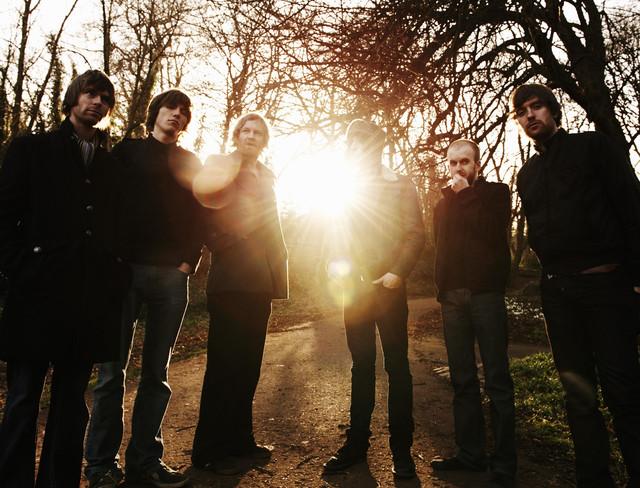
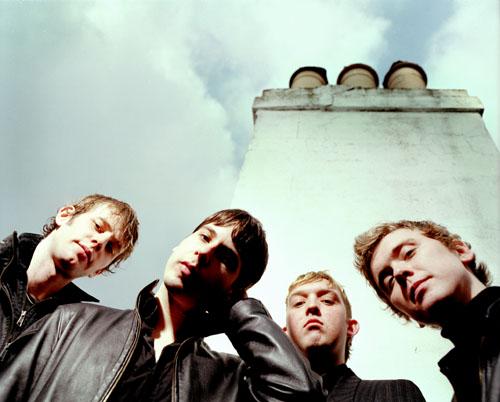
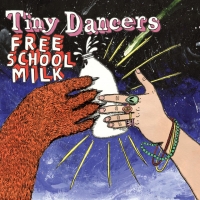
Tiny Dancers’ Spotify BioDespite the seemingly obvious connection to the Elton John classic from Madman Across the Water (and more recent Almost Famous fame), Tiny Dancers leader David Kay claims in interviews that the young quintet from West Yorkshire is actually named after a cabal of evil dwarves in Roger Corman's 1964 adaptation of The Masque of the Red Death. In a similar kind of misdirection, although the band is based in the suddenly hip U.K. city of Sheffield, Tiny Dancers have little in common musically with Yorkshire compatriots like the Arctic Monkeys and the Kaiser Chiefs. Instead, their largely acoustic, low-key pop is heavily informed by the likes of the Band, post-Pet Sounds Beach Boys, Love, and Harvest-era Neil Young. More recent acts like the Bees, Cat Power, and the Magic Numbers also come to mind. Tiny Dancers formed in 2005 while their members were attending university: singer and acoustic guitarist Kay, lead guitarist Chris Etherington, and drummer Duncan Morrison were school friends who… had lost their previous band's bassist and main songwriter. With Kay taking over primary songwriting duties, the addition of bassist Dale Wathey and multi-instrumentalist David Glover completed the newly christened Tiny Dancers. The band was almost immediately signed to EMI's Parlophone label in early 2006, but its first two limited-edition vinyl singles, "Bonfire of the Night" and "Hannah We Know," were released on the faux indie Russian Doll label. The Lions and Tigers and Lions EP was released on Parlophone in late 2006, followed by the U.K. Top 40 singles "I Will Wait for You" and a new recording of "Hannah We Know." Tiny Dancers' debut album, Free School Milk, was released in the summer of 2007. ~ Stewart Mason, Rovi
Viberate is a music analytics platform built for A&Rs, artist managers, labels, booking agents, marketers, and artists.
It helps music professionals track artist growth, analyze audience data, monitor playlist activity, compare artists, follow song performance, and identify opportunities across the music market.
Public artist pages provide a free preview of selected artist data. Paid plans provide access to deeper analytics, historical data, charts, comparisons, playlist tools, exports, alerts, reports, and additional professional features.
Yes. Public Viberate artist pages provide selected artist analytics and music data for free.
Viberate also offers a 7-day free trial of the full platform. A credit card is required to start the trial. The trial includes access to the complete product so users can test deeper artist analytics, historical views, playlist insights, comparisons, charts, exports, alerts, and reporting features before choosing a paid plan.
Viberate provides artist analytics across streaming, playlists, social media, video, radio airplay, songs, and audience markets.
Users can analyze Spotify performance, Spotify and Apple Music playlists, YouTube activity, TikTok and Instagram growth, radio spins, song performance, audience locations, demographics, rankings, and overall artist momentum.
Artist profiles also connect to music charts, similar artists, and comparison tools, helping users benchmark performance and evaluate artists in context.
Viberate updates key artist and track data daily.
For followed artists and tracks, selected data is refreshed multiple times per day. This helps teams monitor playlist changes, streaming movement, audience growth, releases, and campaign performance with more current data.
Update frequency can vary depending on the metric and data source.
Yes. Viberate lets users compare up to five artists side by side across streaming, social media, audience, and engagement metrics.
Users can compare fanbase growth, audience demographics, locations, Spotify performance, social metrics, and other artist data over selected time periods.
Artist comparison can be used for A&R scouting, benchmarking, booking decisions, campaign planning, and evaluating artists with similar audiences or market positions.