Easyworld

Rock
Alternative Rock
Indie Rock
 Viberate Rank: 595382
 Viberate Rank: 595382
 Monthly ListenersFollowers
 Subscribers
 Followers
 Followers
 FansTop Spotify Songs
| Track | 7-Day Streams | |
|---|---|---|
1 | 69 | |
2 | 58 | |
3 | 56 | |
4 | 47 | |
5 | 32 |
Top YouTube VideosMonthly ListenersFeatured in PlaylistsAudience| City | Monthly Listeners | |
|---|---|---|
1 | | 55 |
2 | | 31 |
3 | | 19 |
4 | | 14 |
5 | | 8 |
See full performance history, audience data, playlist activity, rankings, comparisons, and more in Viberate music analytics. Start with a free trial, then continue with a paid plan.
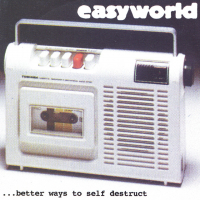
Easyworld’s Spotify BioComprising David Ford (b. 16 May 1978, Dartford, Kent, England; vocals, guitar, keyboards), Jo Taylor (b. 29 October 1977, Eastbourne, East Sussex, England; bass), and Glenn Hooper (b. 18 April 1979, Eastbourne, East Sussex, England; drums), the members of Easyworld came together when Ford and Hooper were joined by Taylor, having previously played together in other bands. With their similar musical directions they quickly found a formula that worked, and they began recording demos and playing to audiences under the name Beachy Head. Their uplifting power pop anthems coupled with Ford’s powerful, distinctive vocals and clever lyrics were met with a positive response from audiences, and shortly after changing their name to Easyworld they signed to independent label Fierce Panda in 2001 and released their first single, followed by the EP … Better Ways To Self Destruct.
In early 2002 the band signed to Jive Records, and their first studio album, This Is Where I Stand, shortly followed. The… album featured a handful of songs from the EP, re-produced with a more commercial sound clearly in mind. Its highlights included tracks such as ‘100 Weight’ and ‘Try Not To Think’, which demonstrated their undeniable ear for a catchy pop song, and the humorous ‘You & Me’. The album showed great promise and sold respectably, with singles such as ‘Junkies & Whores’ achieving moderate chart success. The 2004 follow-up, Kill The Last Romantic, was their final record. The album was significantly more downbeat than their debut, with tracks such as ‘Tonight’ and ‘Saddest Song’ epitomising their departure from uplifting guitar-based songs, to a more melancholy keyboard-based sound.
With Kill The Last Romantic failing to live up to expectations both critically and commercially, the pressure from Jive to fulfil their obvious potential and sell records took its toll on Ford, and the band announced their decision to fold in September 2004. Taylor and Hooper went on to try their luck with other bands, while Ford went on to pursue a solo career.
Viberate is a music analytics platform built for A&Rs, artist managers, labels, booking agents, marketers, and artists.
It helps music professionals track artist growth, analyze audience data, monitor playlist activity, compare artists, follow song performance, and identify opportunities across the music market.
Public artist pages provide a free preview of selected artist data. Paid plans provide access to deeper analytics, historical data, charts, comparisons, playlist tools, exports, alerts, reports, and additional professional features.
Yes. Public Viberate artist pages provide selected artist analytics and music data for free.
Viberate also offers a 7-day free trial of the full platform. A credit card is required to start the trial. The trial includes access to the complete product so users can test deeper artist analytics, historical views, playlist insights, comparisons, charts, exports, alerts, and reporting features before choosing a paid plan.
Viberate provides artist analytics across streaming, playlists, social media, video, radio airplay, songs, and audience markets.
Users can analyze Spotify performance, Spotify and Apple Music playlists, YouTube activity, TikTok and Instagram growth, radio spins, song performance, audience locations, demographics, rankings, and overall artist momentum.
Artist profiles also connect to music charts, similar artists, and comparison tools, helping users benchmark performance and evaluate artists in context.
Viberate updates key artist and track data daily.
For followed artists and tracks, selected data is refreshed multiple times per day. This helps teams monitor playlist changes, streaming movement, audience growth, releases, and campaign performance with more current data.
Update frequency can vary depending on the metric and data source.
Yes. Viberate lets users compare up to five artists side by side across streaming, social media, audience, and engagement metrics.
Users can compare fanbase growth, audience demographics, locations, Spotify performance, social metrics, and other artist data over selected time periods.
Artist comparison can be used for A&R scouting, benchmarking, booking decisions, campaign planning, and evaluating artists with similar audiences or market positions.