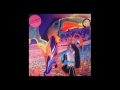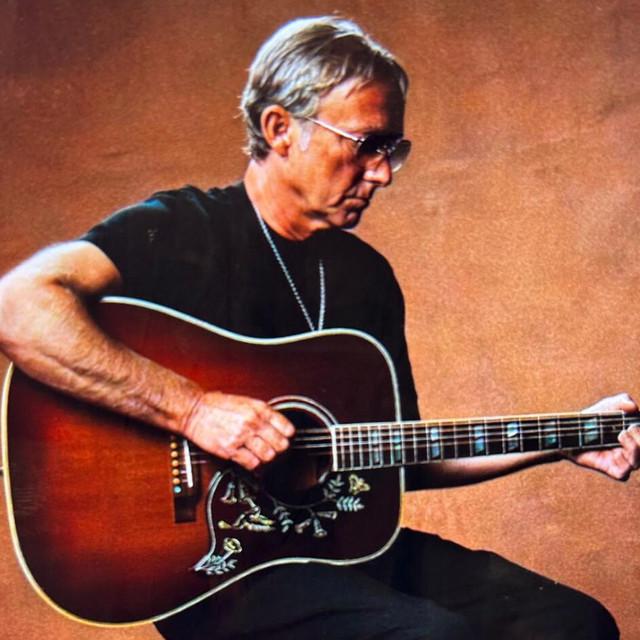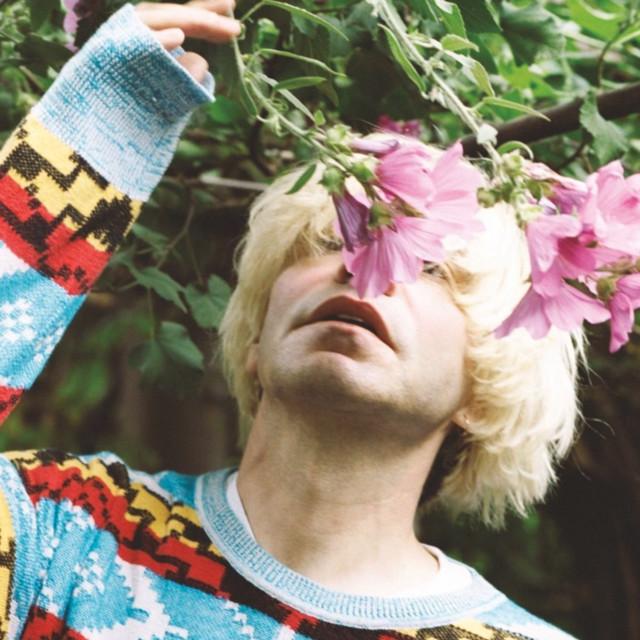
Tim Burgess

Rock
Alternative Rock
Pop Rock
Indie Pop
 Viberate Rank: 92706
 Viberate Rank: 92706
 Monthly ListenersFollowers
 Subscribers
 Followers
 Followers
 FansTop Spotify Songs
| Track | 7-Day Streams | |
|---|---|---|
1 | 631 | |
2 | 188 | |
3 | 188 | |
4 | 186 | |
5 | 142 |
Top YouTube VideosMonthly ListenersFeatured in Playlists| Playlist | Followers | |
|---|---|---|
1 |  BAD SISTERS OFFICIAL SOUNDTRACK Ciara Grace Elwis | 35.15K |
2 | Madchester gnuvoodoo | 16.49K |
3 |  Unveilings | New Indie Cadence + Timbre | 10.96K |
4 |  Surf rock/psychadelic/jingly jangly Sam Gbr Vy | 8.46K |
5 |  Primavera Sound 2022 Weekend 1 Le Marchand de Sable | 7.31K |
Audience| City | Monthly Listeners | |
|---|---|---|
1 | | 329 |
2 | | 177 |
3 | | 99 |
4 | | 71 |
5 |  | 60 |
See full performance history, audience data, playlist activity, rankings, comparisons, and more in Viberate music analytics. Start with a free trial, then continue with a paid plan.
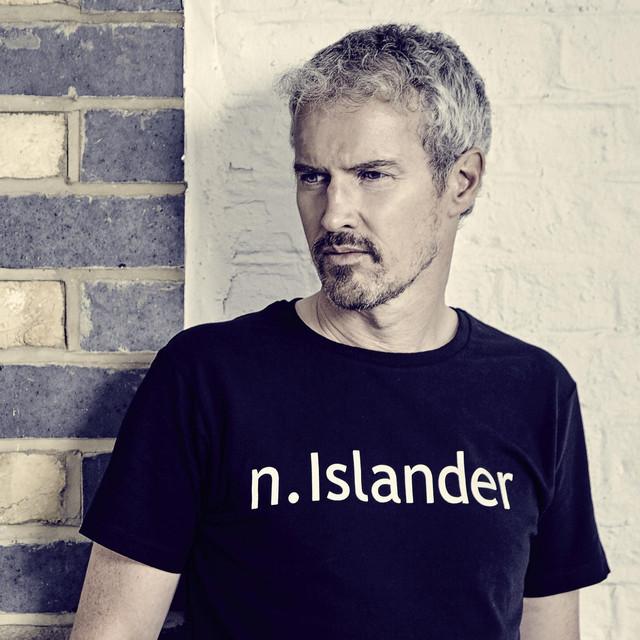
Tim Burgess’ Spotify BioAs the lead singer of the Charlatans, Tim Burgess helped create a bridge between the baggy sound of Madchester and the bright retro vibes of Brit-pop. The Charlatans were one of a handful of bands to debut at the dawn of the 1990s and not only remained at the top of the U.K. charts throughout the decade, but sustained a career that lasted even longer. Burgess occasionally stepped away from the group during their intermittent hiatuses -- his first solo album, I Believe, arrived in 2003 -- but it was in the 2010s when he developed a persona distinct from the group by releasing a series of increasingly adventurous solo albums. Rooted in pop and encompassing experimental psychedelia, chill-out electronica, and other forms of cheerfully arty eclecticism, Burgess made anything but Typical Music, in the words of a knowing title he gave his 2022 album. He pursued the byways of pop and rock, journeys he also documented in books and in his Twitter Listening Parties, a diversion launched during… the COVID-19 pandemic that turned into an early-2020s institution.
Burgess was born on May 30, 1967 in Salford, Manchester, England. In 1989, he joined the Charlatans, then consisting of keyboardist Rob Collins, guitarist John Baker, bassist Martin Blunt, and drummer Jon Brookes. Burgess was selected after an array of singers had already been auditioned. In 1991, the band was signed to Beggars Banquet. The single "The Only One I Know" was hugely successful on U.S. modern rock stations, peaking at number five. Nirvana and their grungy brethren had yet to conquer the alternative airwaves, and the Charlatans were on the verge of an American breakthrough. But that didn't happen, as "The Only One I Know" had little appeal outside of the college circuit, and after Nirvana's "Smells Like Teen Spirit" was unleashed in the summer of 1991, it was open season on English acts. Nevertheless, Burgess continued with the Charlatans while their more popular heroes the Stone Roses and the Happy Mondays folded early. Once considered bandwagon jumpers of the Madchester scene, the Charlatans gained tremendous respect by refashioning their dated mix of '60s psychedelic rock and club beats on subsequent records. In 1995, Burgess recorded "Life Is Sweet" with the Chemical Brothers, reflecting his love for techno, a genre that his own group eventually incorporated. By the late ‘90s, Burgess displayed an obvious affection for Bob Dylan and Curtis Mayfield in his evolving singing style. Wanting to break away from the Charlatans' formula, Burgess began crafting a solo album in Los Angeles. That album, I Believe, appeared in September of 2003. Over the next decade, the Charlatans toured and recorded regularly, and Burgess increasingly took on extracurricular activities, including appearing on the 2010 album by Peter Hook's Freebass. Around that time, Burgess established his Tim's Peak Diner DJ sets, which played at various music festivals. He also moved to Nashville, Tennessee, which is where he recorded his second solo album, 2012's Oh No I Love You. The Charlatans released their 12th album, Modern Nature, in 2015, and Burgess returned to his solo career, releasing a mix album called Tim Burgess Presents: Vinyl Adventures from Istanbul to San Francisco in the summer of 2016 and then issuing Same Language, Different Worlds, a collaboration with modern classical composer Peter Laurence Gordon, that fall. Also in 2016, Burgess published a memoir of his love affair with records called Tim Book Two Vinyl Adventures.
The Charlatans released their 13th album, Different Days, in 2017. The following year, Burgess excavated As I Was Now, an album he recorded in December 2008, for an exclusive Record Store Day release. A collection of lyrics called One, Two, Another was published in 2019.
During the worldwide COVID-19 pandemic, Burgess held a series of social media events called "Tim's Twitter Listening Party," where he played ringleader for sharing memories and opinions on classic albums. Artists also participated in the parties, ranging from Oasis' Bonehead to Throwing Muses. The listening parties would set the stage for the May 2020 release of I Love the New Sky, the first proper Tim Burgess solo album since 2012's Oh No I Love You. Its follow-up, 2022's Typical Music, was an expansive double album of magpie-like psychedelic pop given depth and detail by Dave Fridmann's mix. ~ Stephen Thomas Erlewine & Michael Sutton, Rovi
Viberate is a music analytics platform built for A&Rs, artist managers, labels, booking agents, marketers, and artists.
It helps music professionals track artist growth, analyze audience data, monitor playlist activity, compare artists, follow song performance, and identify opportunities across the music market.
Public artist pages provide a free preview of selected artist data. Paid plans provide access to deeper analytics, historical data, charts, comparisons, playlist tools, exports, alerts, reports, and additional professional features.
Yes. Public Viberate artist pages provide selected artist analytics and music data for free.
Viberate also offers a 7-day free trial of the full platform. A credit card is required to start the trial. The trial includes access to the complete product so users can test deeper artist analytics, historical views, playlist insights, comparisons, charts, exports, alerts, and reporting features before choosing a paid plan.
Viberate provides artist analytics across streaming, playlists, social media, video, radio airplay, songs, and audience markets.
Users can analyze Spotify performance, Spotify and Apple Music playlists, YouTube activity, TikTok and Instagram growth, radio spins, song performance, audience locations, demographics, rankings, and overall artist momentum.
Artist profiles also connect to music charts, similar artists, and comparison tools, helping users benchmark performance and evaluate artists in context.
Viberate updates key artist and track data daily.
For followed artists and tracks, selected data is refreshed multiple times per day. This helps teams monitor playlist changes, streaming movement, audience growth, releases, and campaign performance with more current data.
Update frequency can vary depending on the metric and data source.
Yes. Viberate lets users compare up to five artists side by side across streaming, social media, audience, and engagement metrics.
Users can compare fanbase growth, audience demographics, locations, Spotify performance, social metrics, and other artist data over selected time periods.
Artist comparison can be used for A&R scouting, benchmarking, booking decisions, campaign planning, and evaluating artists with similar audiences or market positions.