Tickle Me Pink

Rock
Alternative Rock
Pop Punk
 Viberate Rank: 290543
 Viberate Rank: 290543
 Monthly ListenersFollowers
 Subscribers
 Followers
 Followers
 FansTop Spotify Songs
| Track | 7-Day Streams | |
|---|---|---|
1 | 5.26K | |
2 | 1.84K | |
3 | 329 | |
4 | 327 | |
5 | 161 |
Top YouTube Videos| Video | 7-Day Views | |
|---|---|---|
1 | 756 | |
2 | 317 |
Monthly ListenersFeatured in Playlists| Playlist | Followers | |
|---|---|---|
1 | Emo / Punk / Rock / Alternative 2001 - 2009 Lydia B. | 14.58K |
2 |  Scene/Emo MySpace Bangers <3 Haylee Nikole✨ | 10.34K |
3 | Catchy Song Roulette jkwaffle | 4.43K |
4 | 90s Emo Scene Alt Kid Karma Lavonne | 4.27K |
5 |  TX2 - Emo Sessions Evan Thomas | 4.09K |
Audience| City | Monthly Listeners | |
|---|---|---|
1 | | 950 |
2 | | 260 |
3 | | 253 |
4 | | 214 |
5 | | 203 |
See full performance history, audience data, playlist activity, rankings, comparisons, and more in Viberate music analytics. Start with a free trial, then continue with a paid plan.
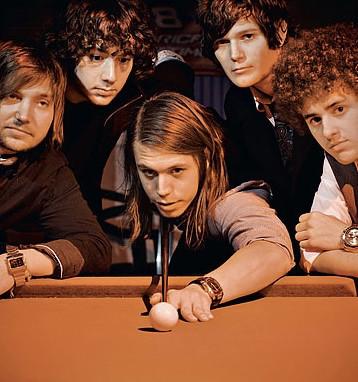
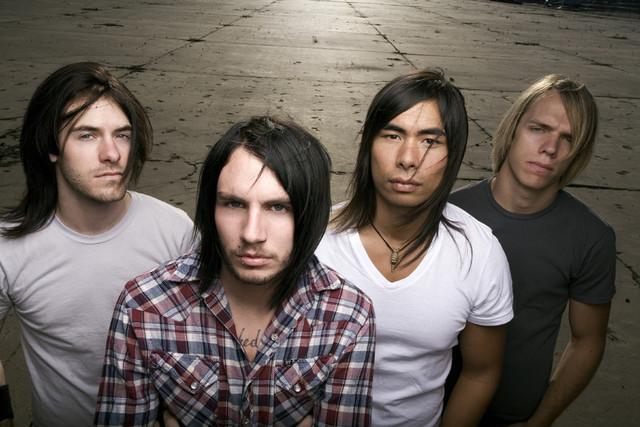
Tickle Me Pink’s Spotify BioTickle Me Pink were formed in Fort Collins, CO, in 2005, but each of the members had extensive musical experience prior to coming together as a group. Sean Kennedy (vocals, bass, guitar) played music for 11 years before founding Tickle Me Pink, studying opera and piano as well as training with classical guitarist Dave Beegle. (Kennedy also released an acoustic solo album in 2006.) Johnny Schou (bass, guitar, vocals) spent time as an assistant engineer at the Blasting Room recording studio and began working with producer Bill Stevenson at the age of 17. Kennedy and Schou recruited drummer Stefan Runstrom, who had played percussion since he was 12, after watching him win a battle of the bands competition. Drawing inspiration for their sound from Third Eye Blind, Brand New, and At the Drive-In, the trio began playing local and regional gigs before bringing aboard a new member. (The decision to round out their sound came after an opening gig for Social Distortion.) Like the other members… of Tickle Me Pink, newcomer Steven Beck also had considerable musical experience -- not only had he studied guitar from the age of six, but he also taught at the Academy of Guitar in Fort Collins. After the group independently released the If Only We Were Twenty One and Up and Half Seas Over EPs in 2005 and 2006, Denver radio station KTCL added one of Tickle Me Pink's songs to its rotation, subsequently generating widespread interest in the band. In 2008, Tickle Me Pink signed with Wind-Up Records and issued their debut full-length album, Madeline. Tragically, Johnny Schou was found dead in his Colorado apartment on the morning before Madeline's release. ~ Katherine Fulton, Rovi
Viberate is a music analytics platform built for A&Rs, artist managers, labels, booking agents, marketers, and artists.
It helps music professionals track artist growth, analyze audience data, monitor playlist activity, compare artists, follow song performance, and identify opportunities across the music market.
Public artist pages provide a free preview of selected artist data. Paid plans provide access to deeper analytics, historical data, charts, comparisons, playlist tools, exports, alerts, reports, and additional professional features.
Yes. Public Viberate artist pages provide selected artist analytics and music data for free.
Viberate also offers a 7-day free trial of the full platform. A credit card is required to start the trial. The trial includes access to the complete product so users can test deeper artist analytics, historical views, playlist insights, comparisons, charts, exports, alerts, and reporting features before choosing a paid plan.
Viberate provides artist analytics across streaming, playlists, social media, video, radio airplay, songs, and audience markets.
Users can analyze Spotify performance, Spotify and Apple Music playlists, YouTube activity, TikTok and Instagram growth, radio spins, song performance, audience locations, demographics, rankings, and overall artist momentum.
Artist profiles also connect to music charts, similar artists, and comparison tools, helping users benchmark performance and evaluate artists in context.
Viberate updates key artist and track data daily.
For followed artists and tracks, selected data is refreshed multiple times per day. This helps teams monitor playlist changes, streaming movement, audience growth, releases, and campaign performance with more current data.
Update frequency can vary depending on the metric and data source.
Yes. Viberate lets users compare up to five artists side by side across streaming, social media, audience, and engagement metrics.
Users can compare fanbase growth, audience demographics, locations, Spotify performance, social metrics, and other artist data over selected time periods.
Artist comparison can be used for A&R scouting, benchmarking, booking decisions, campaign planning, and evaluating artists with similar audiences or market positions.