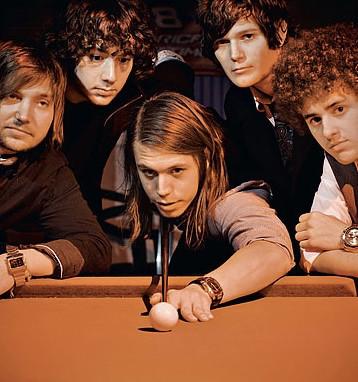
The Audition

Punk
Punk Rock
Pop Punk
 Viberate Rank: 129257
 Viberate Rank: 129257
 Monthly ListenersFollowers
 Subscribers
 Followers
 Followers
 FansTop Spotify Songs
| Track | 7-Day Streams | |
|---|---|---|
1 | 15.41K | |
2 | 7.83K | |
3 | 6.65K | |
4 | 4.92K | |
5 | 3.70K |
Top YouTube VideosMonthly ListenersFeatured in Playlists| Playlist | Followers | |
|---|---|---|
1 |  cunty, trashy, slutty, skanky Mary | 207.94K |
2 | igor | 97.08K |
3 | 2000's Emo & Pop Punk Jorden Z | 53.69K |
4 | MTV Unplugged/Acoustics Eric Goulden | 51.28K |
5 | EMO Myke Obasuyi Smith | 45.49K |
Audience| City | Monthly Listeners | |
|---|---|---|
1 | | 2.25K |
2 | | 1.42K |
3 | | 1.35K |
4 | | 1.34K |
5 | | 1.19K |
See full performance history, audience data, playlist activity, rankings, comparisons, and more in Viberate music analytics. Start with a free trial, then continue with a paid plan.
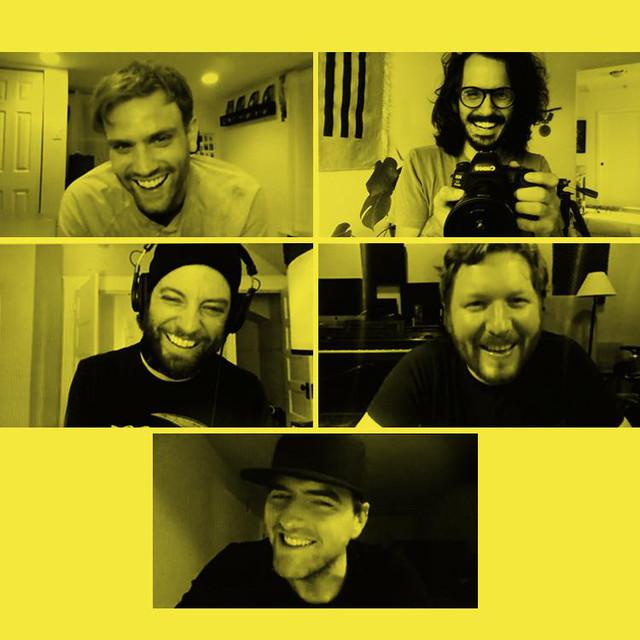
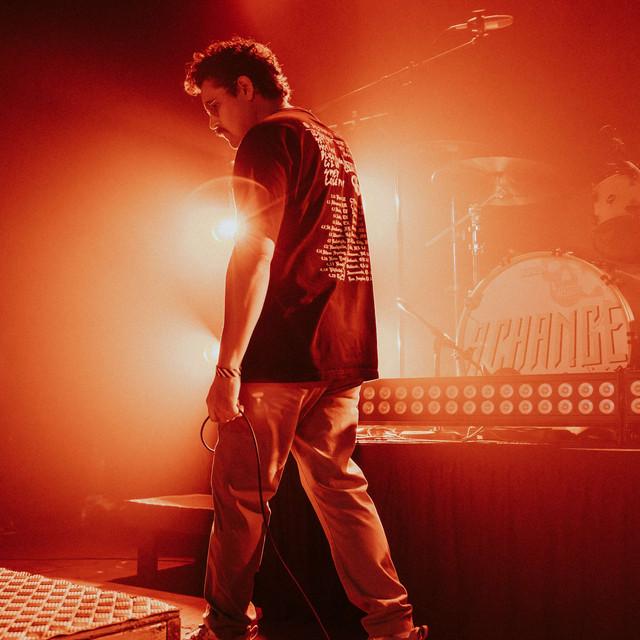
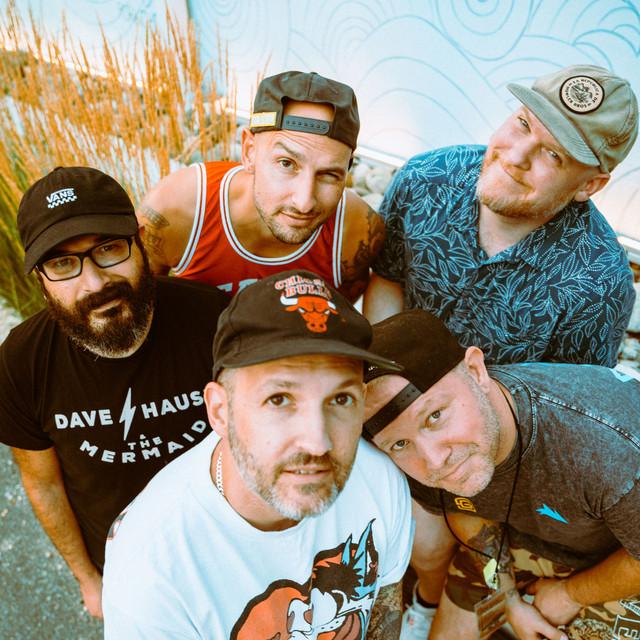
The Audition’s Spotify BioA punk-pop/emo hybrid, The Audition formed in 2003, working with a revolving cast of early members to record a demo and begin playing shows around Chicago. In September 2005 the Audition signed with Victory Records releasing their debut album, Controversy Loves Company. By that point, the band's lineup included singer Danny Stevens, guitarists Seth Johnson & Tim Klepek, bassist Joe Lussa and drummer Ryan O'Connor. The band hit the road for the next two years playing shows alongside artists such as Thirty Seconds To Mars, New Found Glory, Head Automatica and Jack's Mannequin.
A sophomore effort, Champion, appeared in 2008 and cracked the Billboard 200 at number 157. Self-Titled Album marked the band's third full-length release in 2009, the same year member Joe Lussa left the lineup. Klepek handled bass duties in his absence and the 4-piece lineup made its debut in 2010 with the album, Great Danger. The band left Victory Records in July of 2010 and toured in Australia that fall with You… Me At Six.
In 2011 original bass player, Joe Lussa, had rejoined the band and original guitarist Seth Johnson had left, to be replaced by Jimmy Lopez. In 2012, the band released the 6-song, Chapter II independently. After the release they toured with Every Avenue and We Are The In Crowd and then with Eve 6. In May 2018, the group reformed with Johnson back on guitar, Jon Sullivan of Jack's Mannequin on bass and Kevin Sanders of Cartel on drums to perform at Slam Dunk Festival and Riot Fest.
Viberate is a music analytics platform built for A&Rs, artist managers, labels, booking agents, marketers, and artists.
It helps music professionals track artist growth, analyze audience data, monitor playlist activity, compare artists, follow song performance, and identify opportunities across the music market.
Public artist pages provide a free preview of selected artist data. Paid plans provide access to deeper analytics, historical data, charts, comparisons, playlist tools, exports, alerts, reports, and additional professional features.
Yes. Public Viberate artist pages provide selected artist analytics and music data for free.
Viberate also offers a 7-day free trial of the full platform. A credit card is required to start the trial. The trial includes access to the complete product so users can test deeper artist analytics, historical views, playlist insights, comparisons, charts, exports, alerts, and reporting features before choosing a paid plan.
Viberate provides artist analytics across streaming, playlists, social media, video, radio airplay, songs, and audience markets.
Users can analyze Spotify performance, Spotify and Apple Music playlists, YouTube activity, TikTok and Instagram growth, radio spins, song performance, audience locations, demographics, rankings, and overall artist momentum.
Artist profiles also connect to music charts, similar artists, and comparison tools, helping users benchmark performance and evaluate artists in context.
Viberate updates key artist and track data daily.
For followed artists and tracks, selected data is refreshed multiple times per day. This helps teams monitor playlist changes, streaming movement, audience growth, releases, and campaign performance with more current data.
Update frequency can vary depending on the metric and data source.
Yes. Viberate lets users compare up to five artists side by side across streaming, social media, audience, and engagement metrics.
Users can compare fanbase growth, audience demographics, locations, Spotify performance, social metrics, and other artist data over selected time periods.
Artist comparison can be used for A&R scouting, benchmarking, booking decisions, campaign planning, and evaluating artists with similar audiences or market positions.