Threshold

Metal
Progressive Metal
Progressive Rock
 Viberate Rank: 90217
 Viberate Rank: 90217
 Monthly ListenersFollowers
 Subscribers
 Followers
 Followers
 FansTop Spotify Songs
| Track | 7-Day Streams | |
|---|---|---|
1 | 3.65K | |
2 | 2.25K | |
3 | 2.20K | |
4 | 2.20K | |
5 | 1.85K |
Top YouTube VideosMonthly ListenersFeatured in Playlists| Playlist | Followers | |
|---|---|---|
1 |  New Releases Nuclear Blast Records | 30.32K |
2 | Metal🤘🏻 Naydil González | 16.46K |
3 | Prog Metal Giovanni Pignato | 13.71K |
4 | Heavy/Metal/Rock (Baladas) elcarlesdesiempre | 9.79K |
5 | Metal Ballads Tiago Teixeira | 6.59K |
Audience| City | Monthly Listeners | |
|---|---|---|
1 |  | 754 |
2 |  | 633 |
3 |  | 584 |
4 |  | 479 |
5 |  | 478 |
See full performance history, audience data, playlist activity, rankings, comparisons, and more in Viberate music analytics. Start with a free trial, then continue with a paid plan.
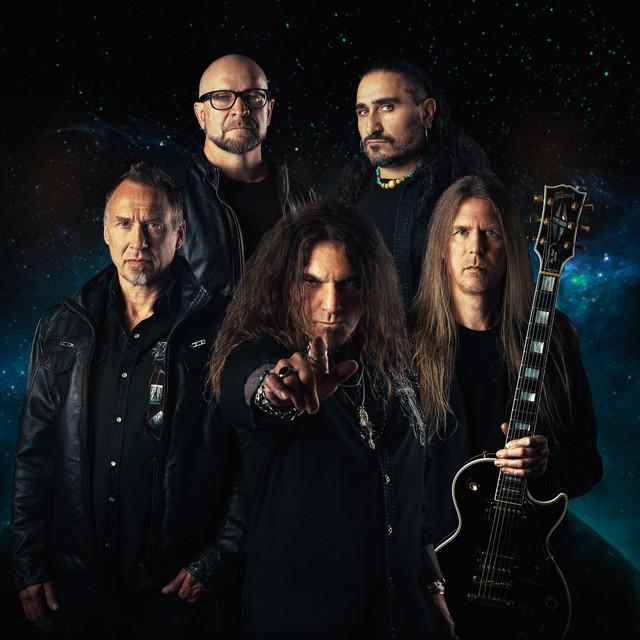
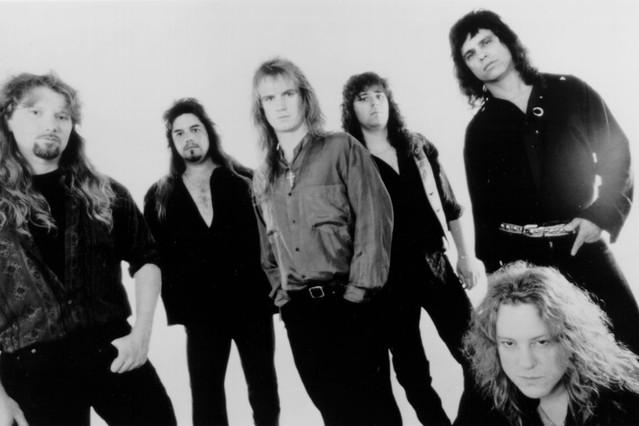
Threshold’s Spotify BioFormed in leafy Surrey in the late ‘80s, Threshold truly blossomed in the following decade, and swiftly established themselves as the UK’s chief progressive metal standard bearers. From 1993’s Wounded Land debut onwards, the enduring creative core of guitarist Karl Groom and keyboard maestro Richard West constructed a unique new strain of heavy, progressive music, combining incisive melodies, thought-provoking lyrics and intricate but thunderous arrangements. Threshold have marched inexorably forward across three decades of creative fervour, arguably hitting a new peak of potency on the conceptual and musical splurge of 2017’s Legends Of The Shires.
With Glynn Morgan back in the fold, the Brits’ enduring line-up of Groom, West, drummer Johanne James and bassist Steve Anderson somehow pushed themselves to new heights, receiving widespread acclaim and finding themselves in more demand than ever before. Despite the unavoidable setback of a global pandemic, Threshold arrive in 2022 in the… best of health.
Following up a newly-minted classic was always going to present Threshold with a challenge, but the band’s twelfth studio album swiftly confirms that the challenge has been met. Darker, heavier and even more adventurous than its predecessor, Dividing Lines reveals a band with a lot on their collective mind, while also boasting some of the most wildly inventive and melodically potent material they have ever recorded.
Viberate is a music analytics platform built for A&Rs, artist managers, labels, booking agents, marketers, and artists.
It helps music professionals track artist growth, analyze audience data, monitor playlist activity, compare artists, follow song performance, and identify opportunities across the music market.
Public artist pages provide a free preview of selected artist data. Paid plans provide access to deeper analytics, historical data, charts, comparisons, playlist tools, exports, alerts, reports, and additional professional features.
Yes. Public Viberate artist pages provide selected artist analytics and music data for free.
Viberate also offers a 7-day free trial of the full platform. A credit card is required to start the trial. The trial includes access to the complete product so users can test deeper artist analytics, historical views, playlist insights, comparisons, charts, exports, alerts, and reporting features before choosing a paid plan.
Viberate provides artist analytics across streaming, playlists, social media, video, radio airplay, songs, and audience markets.
Users can analyze Spotify performance, Spotify and Apple Music playlists, YouTube activity, TikTok and Instagram growth, radio spins, song performance, audience locations, demographics, rankings, and overall artist momentum.
Artist profiles also connect to music charts, similar artists, and comparison tools, helping users benchmark performance and evaluate artists in context.
Viberate updates key artist and track data daily.
For followed artists and tracks, selected data is refreshed multiple times per day. This helps teams monitor playlist changes, streaming movement, audience growth, releases, and campaign performance with more current data.
Update frequency can vary depending on the metric and data source.
Yes. Viberate lets users compare up to five artists side by side across streaming, social media, audience, and engagement metrics.
Users can compare fanbase growth, audience demographics, locations, Spotify performance, social metrics, and other artist data over selected time periods.
Artist comparison can be used for A&R scouting, benchmarking, booking decisions, campaign planning, and evaluating artists with similar audiences or market positions.