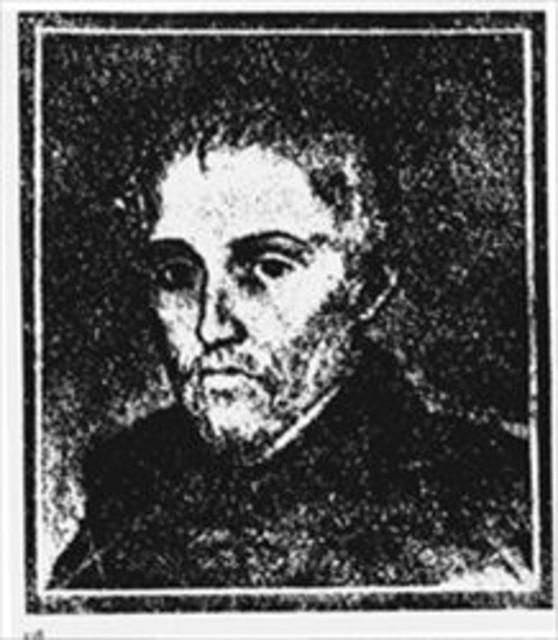
Thomas Tallis

Classical
Choral
Orchestral
Chamber Music
 Viberate Rank: 124055
 Viberate Rank: 124055
 Monthly ListenersFollowers
 Subscribers
 Followers
 Followers
 FansTop Spotify Songs
| Track | 7-Day Streams | |
|---|---|---|
1 | 5.01K | |
2 | 5.01K | |
3 | 2.83K | |
4 | 2.63K | |
5 | 2.00K |
Top YouTube VideosMonthly ListenersFeatured in Playlists| Playlist | Followers | |
|---|---|---|
1 |  Easy Listening Classical For Study, Work, Relaxing, Chillout, Anything But Serious Listening Ulysses' Classical | 99.24K |
2 |  Gregorian Chants & Hymns for Sleep, Study & Solitude Joseph Santiago | 82.71K |
3 |  Renaissance Classics Spotify | 74.13K |
4 | amandaemcee | 69.74K |
5 | Sandra Pasabados | 47.93K |
Audience| City | Monthly Listeners | |
|---|---|---|
1 | | 3.59K |
2 |  | 914 |
3 |  | 863 |
4 |  | 833 |
5 |  | 807 |
See full performance history, audience data, playlist activity, rankings, comparisons, and more in Viberate music analytics. Start with a free trial, then continue with a paid plan.
Thomas Tallis’ Spotify BioThe career of Thomas Tallis, Gentleman of the Chapel Royal, spanned a period of spectacular change in the English liturgical climate. Born early in the sixteenth century, his first musical appointment was as organist to a Benedictine (Catholic) Priory in Dover, two years before Henry VIII's definitive break with Rome in 1534. By 1537, Tallis was serving a London parish church as organist; in 1538 he was performing the same task for the Abbey of Holy Cross, Waltham, though this position evaporated when King Henry dissolved the monasteries in 1540. After a brief clerkship at Canterbury Cathedral, Tallis joined the Chapel Royal, where he played, sang, and composed for the remainder of his life, serving in turn Henry VIII, Edward VI, Mary Tudor, and Elizabeth I. Among the lavish rewards he eventually reaped was a famous bequest of 1575, giving him and his young pupil, William Byrd, a complete monopoly on the printing of music and ruled music paper in England.
The liturgical music in England… during this time underwent great changes, not the least of which was the shift between Latin and vernacular texts. At the outset of Tallis' career, the prevailing English style of Latin music followed the soaring treble-dominated textures of the previous century, as exemplified in the Eton Choirbook; his early Latin motets reflect this. But by the late 1540s, Archbishop Thomas Cranmer was working toward a standard liturgical practice, built around his Book of Common Prayer, that would finally replace the Sarum (English Latin) rite in 1559 with exclusively vernacular worship music. The reign of the Catholic "Bloody" Mary Tudor briefly interrupted this trajectory towards the vernacular with a militant resurgence of Catholic music in an older style; Tallis' Missa Puer natus and the motet Gaude gloriosa apparently date from this time. Stylistically, the church music of England over the second half of the century was yielding to the influence of the Continental imitative style, through the music of the transplanted Italian, Ferrabosco.
Through all these changes, Tallis appears to have retained a professional steadiness and respectability, making music and composing with grace and equanimity as his situation changed. His English-language settings range from simple treatments of the psalms to anthems (such as Hear the Voice and Prayer) to three complete settings of the Anglican Service; this music is commonly imbued with a somber and penitential mood. His Latin-texted pieces, whether following the stylish "modern" mode of pervasive imitation or not, demonstrate restraint and even tenderness. (One of the few exceptions, though, is his best-known work today, an over-the-top and still rather mysterious experiment in polychoral writing, the 40-voiced Spem in alium). Surprisingly little of Tallis' instrumental music survives, despite his over 50 years of professional organ playing.
Viberate is a music analytics platform built for A&Rs, artist managers, labels, booking agents, marketers, and artists.
It helps music professionals track artist growth, analyze audience data, monitor playlist activity, compare artists, follow song performance, and identify opportunities across the music market.
Public artist pages provide a free preview of selected artist data. Paid plans provide access to deeper analytics, historical data, charts, comparisons, playlist tools, exports, alerts, reports, and additional professional features.
Yes. Public Viberate artist pages provide selected artist analytics and music data for free.
Viberate also offers a 7-day free trial of the full platform. A credit card is required to start the trial. The trial includes access to the complete product so users can test deeper artist analytics, historical views, playlist insights, comparisons, charts, exports, alerts, and reporting features before choosing a paid plan.
Viberate provides artist analytics across streaming, playlists, social media, video, radio airplay, songs, and audience markets.
Users can analyze Spotify performance, Spotify and Apple Music playlists, YouTube activity, TikTok and Instagram growth, radio spins, song performance, audience locations, demographics, rankings, and overall artist momentum.
Artist profiles also connect to music charts, similar artists, and comparison tools, helping users benchmark performance and evaluate artists in context.
Viberate updates key artist and track data daily.
For followed artists and tracks, selected data is refreshed multiple times per day. This helps teams monitor playlist changes, streaming movement, audience growth, releases, and campaign performance with more current data.
Update frequency can vary depending on the metric and data source.
Yes. Viberate lets users compare up to five artists side by side across streaming, social media, audience, and engagement metrics.
Users can compare fanbase growth, audience demographics, locations, Spotify performance, social metrics, and other artist data over selected time periods.
Artist comparison can be used for A&R scouting, benchmarking, booking decisions, campaign planning, and evaluating artists with similar audiences or market positions.