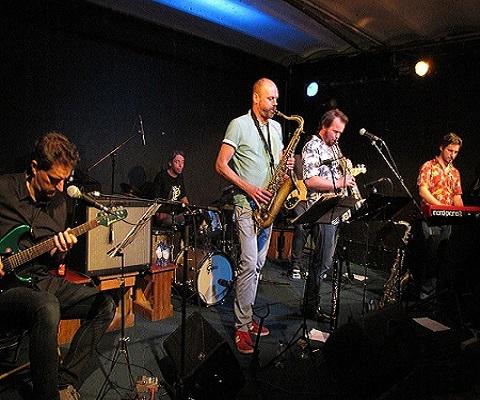
THE WRONG OBJECT

Jazz
Jazz Fusion
Avant-garde Jazz
 Viberate Rank: 588375
 Viberate Rank: 588375
 Monthly ListenersFollowers
 Subscribers
 Followers
 Followers
 FansTop Spotify Songs
| Track | 7-Day Streams | |
|---|---|---|
1 | 32 | |
2 | 24 | |
3 | 18 | |
4 | 10 | |
5 | 10 |
Top YouTube VideosMonthly ListenersFeatured in Playlists| Playlist | Followers | |
|---|---|---|
1 |  Progressive Jazz | Jazz Metal | Fusion Jazz | Experimental Jazz | Post-Jazz JEITEMILLER | 4.89K |
2 |  The Sound of Progressive Jazz Fusion The Sounds of Spotify | 2.00K |
3 |  The Sound of Zeuhl The Sounds of Spotify | 1.06K |
Audience| City | Monthly Listeners | |
|---|---|---|
1 |  | 6 |
2 |  | 5 |
3 |  | 4 |
4 |  | 3 |
5 |  | 3 |
See full performance history, audience data, playlist activity, rankings, comparisons, and more in Viberate music analytics. Start with a free trial, then continue with a paid plan.
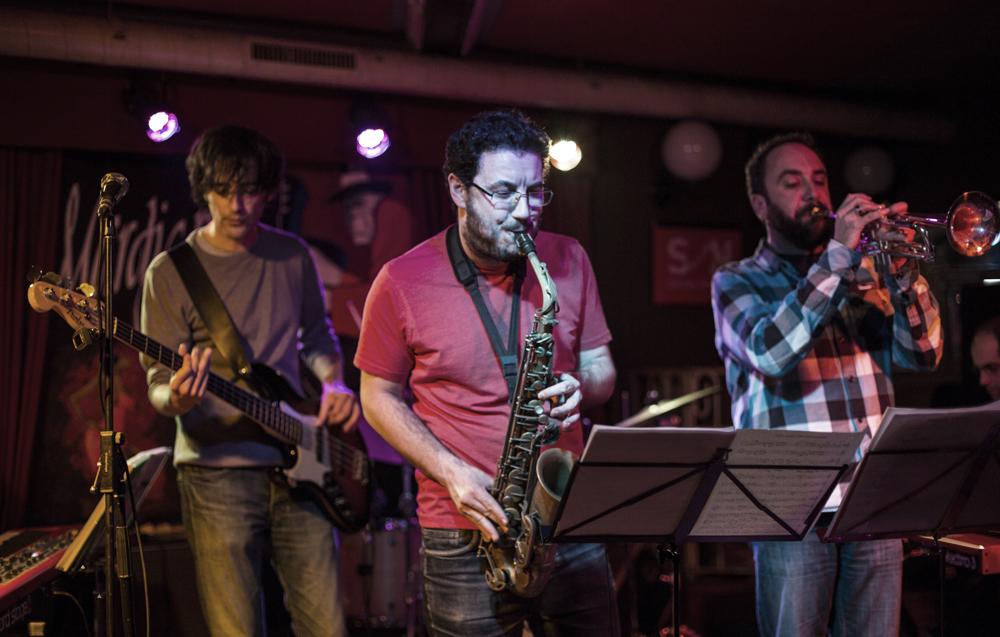
THE WRONG OBJECT’s Spotify BioModern creative jazz-rock group the Wrong Object was founded in 2002 in Liege, Belgium by guitarist Michel Delville (who is also a writer and teacher), and began life as a Frank Zappa cover band. While Zappa tunes like "Big Swifty," "Filthy Habits," "Chunga's Revenge," and "King Kong" have been part of the Wrong Object's repertoire over the years, and the band has performed twice (in 2004 and 2007) at the Zappanale Festival in Bad Doberan, Germany, a number of other influences have informed the group's direction, notably the jazzy side of England's Canterbury scene.
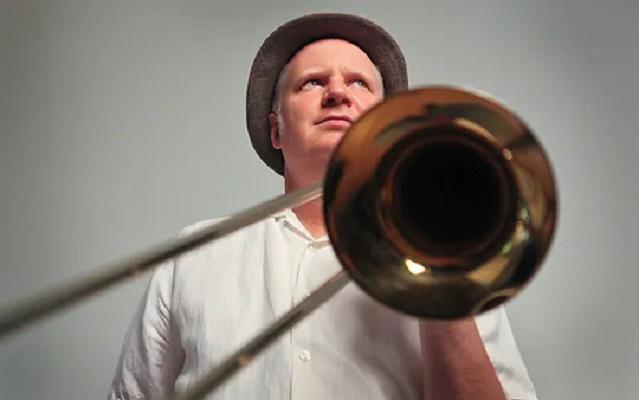
After several limited-edition private releases, the group's first widely distributed album, The Unbelievable Truth, was issued by MoonJune in 2006. A joint live album by the group -- Delville on guitar, drummer Laurent Delchambre, tenor saxophonist Fred Delplancq, trumpeter Jean-Paul Estiévenart, and bassist Damien Polard -- with former Soft Machine saxophonist Elton Dean, the album was recorded at Glaz'Art in Paris on… October 18, 2005, only four months before Dean passed away. In 2007 the Wrong Object returned with another album including the participation of British avant jazz notables: Platform One, released by Voiceprint, featured -- in addition to the core quintet lineup also heard on The Unbelievable Truth -- guest appearances from trumpeter Harry Beckett (who passed away in 2010) and trombonist Annie Whitehead; the album included compositions by Delville, Beckett, and Whitehead, and a pair of Zappa numbers.
The Wrong Object's second MoonJune album, Stories from the Shed, was released in 2008. There were no guest artists participating this time, and the music consisted of all-original material composed mainly by Delville with some contributions from the other bandmembers. The quintet of Delville, Delchambre, Delplancq, Estiévenart, and Polard recorded the music live in the studio and included loops, electronics, and samples in the mix; the result was a strong electric creative jazz album that reflected the Wrong Object's influences while emphatically asserting the band's own identity. However, five years would pass before the next Wrong Object album arrived (although Delville was active in a number of other outfits, including two -- douBt and Machine Mass Trio -- that recorded for MoonJune), and it would reveal substantial changes in the group.
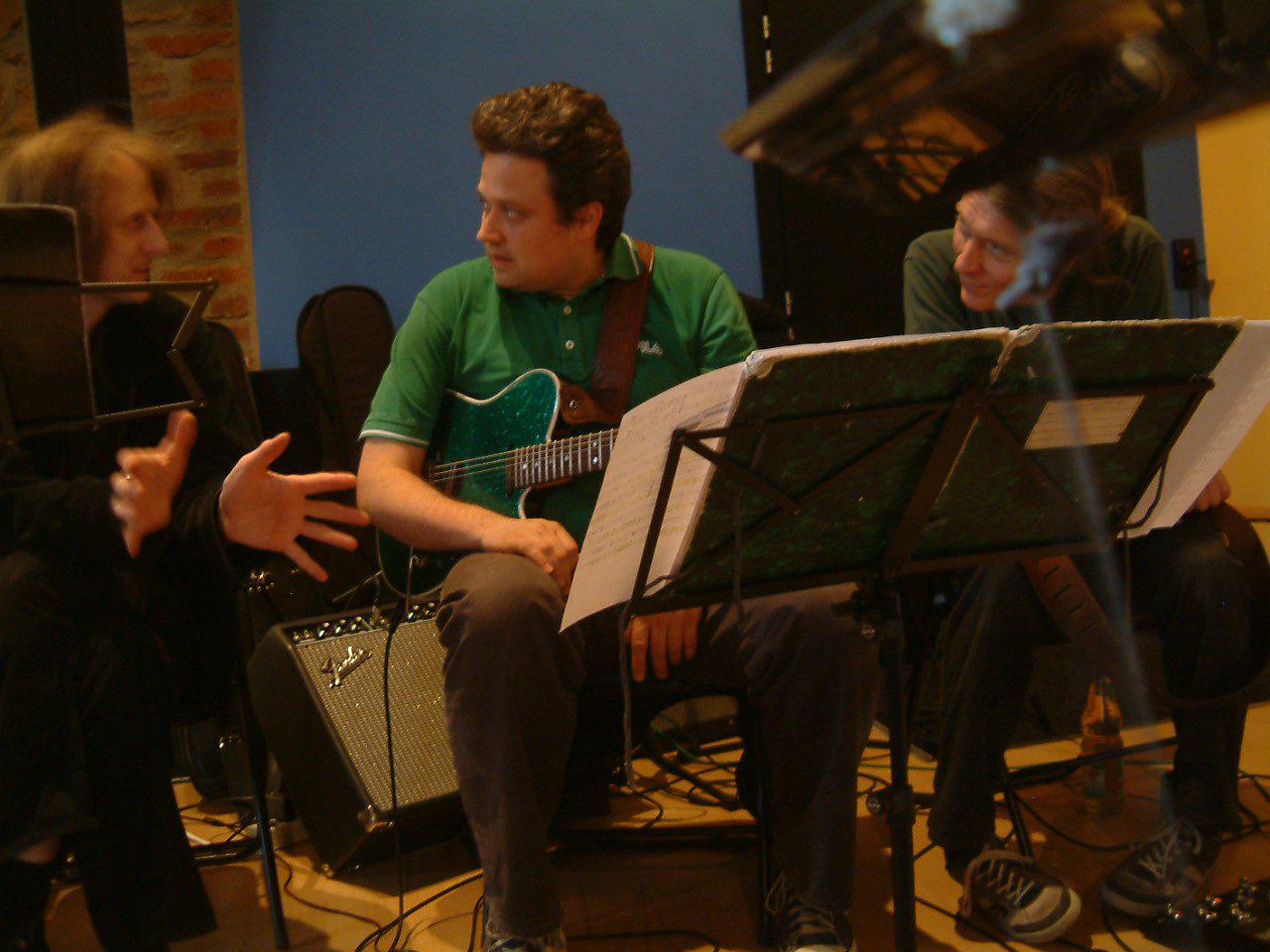
On 2013's After the Exhibition only Delville and Delchambre remained from the band's earlier quintet lineup, and the new sextet version of the ensemble featured keyboardist/vocalist Antoine Guenet (leader of another MoonJune group, SH.TG.N, and also a new member of Univers Zero), saxophonist/clarinetist Marti Melia, saxophonist François Lourtie, and bassist Pierre Mottet. In addition, vibraphonist/marimbist Benoit Moerlen (Gong, Gongzilla) appeared as a guest on a number of tracks and singer/songwriter Susan Clynes contributed vocals (along with Guenet) to the Canterbury-esque "Glass Cubes." With material composed largely by Delville but also Guenet, Delchambre, Mottet, and Moerlen and recorded -- again live in the studio -- with the group's most expanded instrumental palette to date (although no longer featuring a trumpeter), After the Exhibition proved to be the Wrong Object's most diverse and wide-ranging recording of original music thus far. ~ Dave Lynch, Rovi
Viberate is a music analytics platform built for A&Rs, artist managers, labels, booking agents, marketers, and artists.
It helps music professionals track artist growth, analyze audience data, monitor playlist activity, compare artists, follow song performance, and identify opportunities across the music market.
Public artist pages provide a free preview of selected artist data. Paid plans provide access to deeper analytics, historical data, charts, comparisons, playlist tools, exports, alerts, reports, and additional professional features.
Yes. Public Viberate artist pages provide selected artist analytics and music data for free.
Viberate also offers a 7-day free trial of the full platform. A credit card is required to start the trial. The trial includes access to the complete product so users can test deeper artist analytics, historical views, playlist insights, comparisons, charts, exports, alerts, and reporting features before choosing a paid plan.
Viberate provides artist analytics across streaming, playlists, social media, video, radio airplay, songs, and audience markets.
Users can analyze Spotify performance, Spotify and Apple Music playlists, YouTube activity, TikTok and Instagram growth, radio spins, song performance, audience locations, demographics, rankings, and overall artist momentum.
Artist profiles also connect to music charts, similar artists, and comparison tools, helping users benchmark performance and evaluate artists in context.
Viberate updates key artist and track data daily.
For followed artists and tracks, selected data is refreshed multiple times per day. This helps teams monitor playlist changes, streaming movement, audience growth, releases, and campaign performance with more current data.
Update frequency can vary depending on the metric and data source.
Yes. Viberate lets users compare up to five artists side by side across streaming, social media, audience, and engagement metrics.
Users can compare fanbase growth, audience demographics, locations, Spotify performance, social metrics, and other artist data over selected time periods.
Artist comparison can be used for A&R scouting, benchmarking, booking decisions, campaign planning, and evaluating artists with similar audiences or market positions.