The Wolfgang Press

Rock
Post Punk
 Viberate Rank: 180347
 Viberate Rank: 180347
 Monthly ListenersFollowers
 Subscribers
 Followers
 Followers
 FansTop Spotify Songs
| Track | 7-Day Streams | |
|---|---|---|
1 | 1.02K | |
2 | 1.02K | |
3 | 594 | |
4 | 452 | |
5 | 417 |
Top YouTube VideosMonthly ListenersFeatured in Playlists| Playlist | Followers | |
|---|---|---|
1 | NTS LIVE Sabri M. | 20.08K |
2 |  Best of 4AD: 1980-2000 4AD | 11.41K |
3 |  80's Gothic Rock aycaderenozkan | 11.20K |
4 |  Party Girl Soundtrack (1995) Rigsterr | 10.58K |
5 |  80s GOTH || DEATH ROCK || BATCAVE || DARK WAVE Pigeon Pair | 8.96K |
Audience| City | Monthly Listeners | |
|---|---|---|
1 | | 249 |
2 |  | 197 |
3 |  | 189 |
4 | | 166 |
5 | | 148 |
See full performance history, audience data, playlist activity, rankings, comparisons, and more in Viberate music analytics. Start with a free trial, then continue with a paid plan.
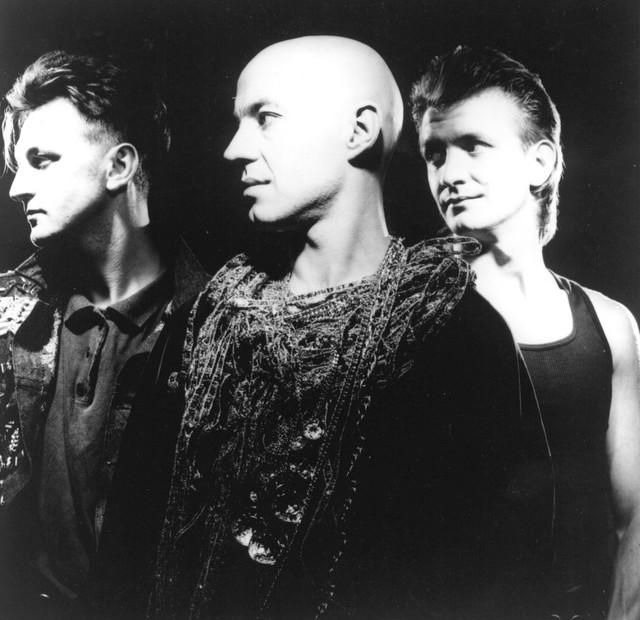
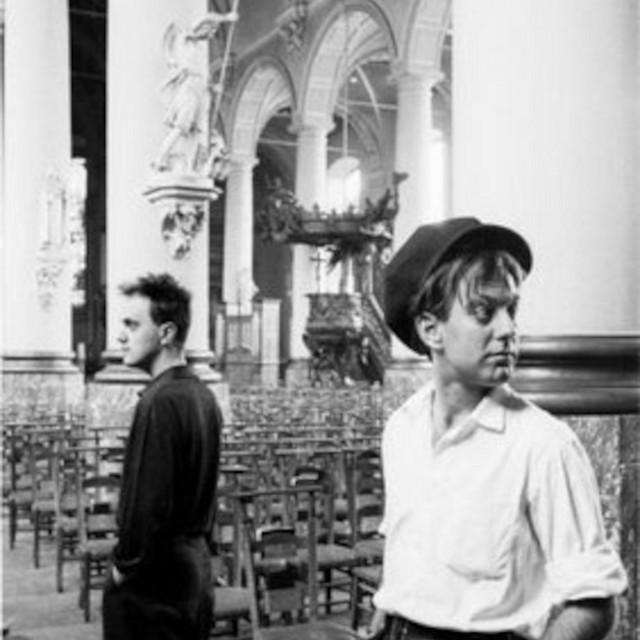
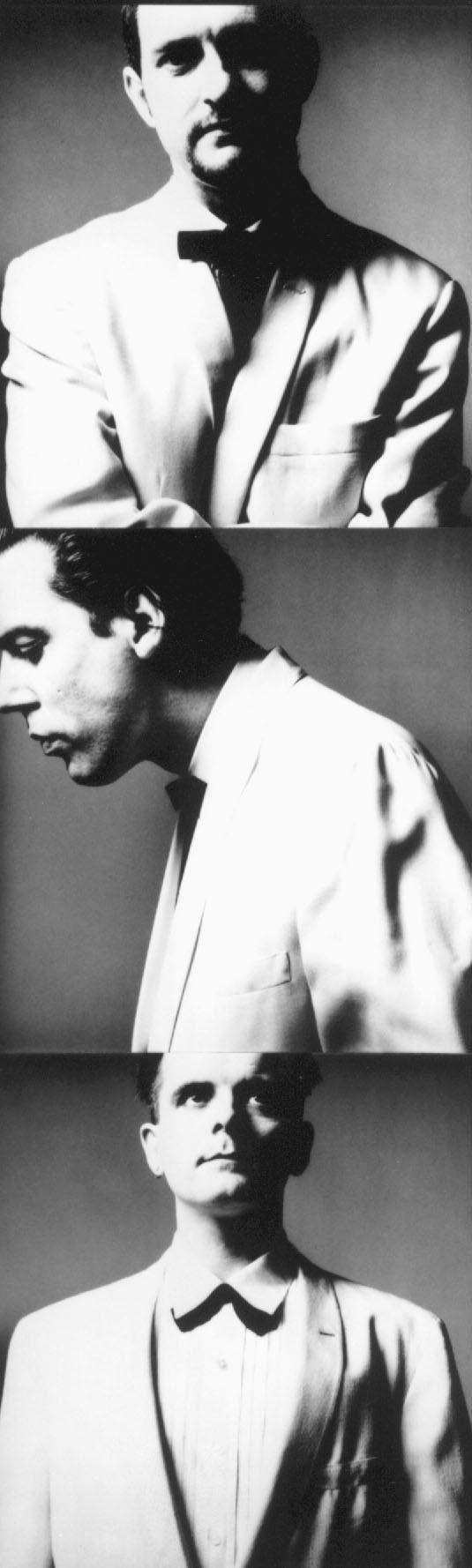
The Wolfgang Press’ Spotify BioEnigmatic, moody, and challenging, Britain's Wolfgang Press were one of the most mercurial talents of the post-punk era, restlessly moving from gothic noise to dark balladry to eccentric funk; paradoxically, the group was also the 4AD label's longest tenured artist -- even their stylish album packages were all the product of the same designer, Alberto Ricci.
Formed in London in 1983, the Wolfgang Press comprised vocalist Michael Allen, guitarist Andrew Gray, and keyboardist Mark Cox. Allen and Cox first teamed in the group Rema Rema, which also featured Adam & the Ants alum Marco Perroni; after reuniting in the short-lived quartet Mass, the duo recruited Gray, and as the Wolfgang Press issued their cacophonous, gloomy debut LP, The Burden of Mules, in 1983. An EP trilogy co-produced by Cocteau Twin Robin Guthrie followed in quick succession: while 1984's Scarecrow was a lighter, more streamlined affair, 1985's Water spotlighted ominously sparse torch songs, and the same year's Sweatbox… explored deconstructionist pop.
The Wolfgang Press' second full-length effort, 1986's Standing Up Straight, incorporated industrial and orchestral influences into the mix, while the Big Sex EP's "God's Number" offered a soulful backing chorus, a harbinger of things to come. Indeed, after 1988's hypnotic Bird Wood Cage and its leadoff single, "King of Soul," introduced strong elements of dub, reggae, and R&B, the trio took the full plunge into the dance arena with 1991's Queer, an idiosyncratic outing admittedly inspired by De La Soul's landmark 3 Feet High and Rising; the first single, a surreal cover of the Randy Newman-penned "Mama Told Me Not to Come," was a minor hit. 1995's Funky Little Demons completed the Wolfgang Press' transition into white funk; prior to its release, however, Cox exited the group's ranks. ~ Jason Ankeny, Rovi
Viberate is a music analytics platform built for A&Rs, artist managers, labels, booking agents, marketers, and artists.
It helps music professionals track artist growth, analyze audience data, monitor playlist activity, compare artists, follow song performance, and identify opportunities across the music market.
Public artist pages provide a free preview of selected artist data. Paid plans provide access to deeper analytics, historical data, charts, comparisons, playlist tools, exports, alerts, reports, and additional professional features.
Yes. Public Viberate artist pages provide selected artist analytics and music data for free.
Viberate also offers a 7-day free trial of the full platform. A credit card is required to start the trial. The trial includes access to the complete product so users can test deeper artist analytics, historical views, playlist insights, comparisons, charts, exports, alerts, and reporting features before choosing a paid plan.
Viberate provides artist analytics across streaming, playlists, social media, video, radio airplay, songs, and audience markets.
Users can analyze Spotify performance, Spotify and Apple Music playlists, YouTube activity, TikTok and Instagram growth, radio spins, song performance, audience locations, demographics, rankings, and overall artist momentum.
Artist profiles also connect to music charts, similar artists, and comparison tools, helping users benchmark performance and evaluate artists in context.
Viberate updates key artist and track data daily.
For followed artists and tracks, selected data is refreshed multiple times per day. This helps teams monitor playlist changes, streaming movement, audience growth, releases, and campaign performance with more current data.
Update frequency can vary depending on the metric and data source.
Yes. Viberate lets users compare up to five artists side by side across streaming, social media, audience, and engagement metrics.
Users can compare fanbase growth, audience demographics, locations, Spotify performance, social metrics, and other artist data over selected time periods.
Artist comparison can be used for A&R scouting, benchmarking, booking decisions, campaign planning, and evaluating artists with similar audiences or market positions.