The Weeds

Rock
Garage Rock
 Viberate Rank: 392429
 Viberate Rank: 392429
 Monthly ListenersFollowers
 Subscribers
 Followers
 Followers
 FansTop Spotify Songs
| Track | 7-Day Streams | |
|---|---|---|
1 | 798 | |
2 | 441 | |
3 | 49 | |
4 | 39 | |
5 | 34 |
Top YouTube VideosMonthly ListenersFeatured in Playlists| Playlist | Followers | |
|---|---|---|
1 | Garage Rock & 60's Punk Robopjokk | 14.47K |
2 |  🔥PURE 60s GARAGE ROCK🔥 Kevin Gore | 11.57K |
3 |  70s Proto-Metal, Heavy Psych & Obscure Hard Rock Jordan Edrei | 11.27K |
4 |  Season of the Witch 🔮 Witchy Songs🌛 Teleglam Sam 🔮 @teleglamsam | 8.51K |
5 | 60s Psychedelic Trip andreas1965-71 | 8.20K |
Audience| City | Monthly Listeners | |
|---|---|---|
1 | | 111 |
2 | | 71 |
3 | | 69 |
4 | | 66 |
5 |  | 51 |
See full performance history, audience data, playlist activity, rankings, comparisons, and more in Viberate music analytics. Start with a free trial, then continue with a paid plan.
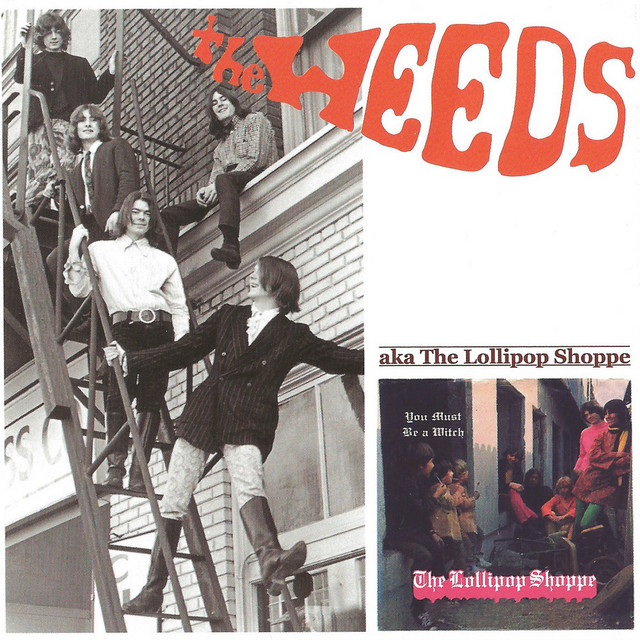
The Weeds’ Spotify BioFred Cole became one of the elder statesmen of the garage punk scene in the 1980s, ‘90s, and 2000s with his bands Dead Moon and the Pierced Arrows, but Cole, born in 1948, had been playing rock & roll since the mid-'60s, and the Weeds were his first band to achieve national prominence. The Nevada-born Cole cut his first record in 1964 with an R&B-leaning garage band called the Lords, but that group proved to be short-lived, and in 1966 he formed the Weeds; Cole was the lead singer, while Eddie Bowen and Ron Buzzell played guitars, Bob Atkins was on bass, and Tim Rockson was the drummer. The Las Vegas-based label Teenbeat Club Records issued a Weeds single, "It's Your Time" b/w "Little Girl," and the combination of that record and the group's live shows generated enough buzz to attract the attention of Uni Records, a subsidiary of the powerful MCA-affiliated Decca label. However, the group's brush with the major labels proved unsatisfying; Uni and the Weeds' manager insisted that the… band change its name (possibly because of the oblique marijuana reference of the original handle), and when the group's album Just Colours arrived in stores in 1968, the group was called the Lollipop Shoppe. The new name was a poor fit for their moody fusion of bluesy garage punk and manic psychedelia, and while the album's first single, "You Must Be a Witch," was later celebrated as a classic among garage rock mavens, both the single and Just Colours enjoyed little commercial success at the time. Two Lollipop Shoppe tunes appeared in the 1968 biker flick Angels from Hell (a sign Cole and his bandmates must have been doing something right), but by 1969 the band had called it quits, though a 1971 reunion as the Weeds resulted in a final single. In 2007, the Weeds' singles were combined with the full Lollipop Shoppe album for a German CD reissue that brought together the group's complete catalog in one package. ~ Mark Deming, Rovi
Viberate is a music analytics platform built for A&Rs, artist managers, labels, booking agents, marketers, and artists.
It helps music professionals track artist growth, analyze audience data, monitor playlist activity, compare artists, follow song performance, and identify opportunities across the music market.
Public artist pages provide a free preview of selected artist data. Paid plans provide access to deeper analytics, historical data, charts, comparisons, playlist tools, exports, alerts, reports, and additional professional features.
Yes. Public Viberate artist pages provide selected artist analytics and music data for free.
Viberate also offers a 7-day free trial of the full platform. A credit card is required to start the trial. The trial includes access to the complete product so users can test deeper artist analytics, historical views, playlist insights, comparisons, charts, exports, alerts, and reporting features before choosing a paid plan.
Viberate provides artist analytics across streaming, playlists, social media, video, radio airplay, songs, and audience markets.
Users can analyze Spotify performance, Spotify and Apple Music playlists, YouTube activity, TikTok and Instagram growth, radio spins, song performance, audience locations, demographics, rankings, and overall artist momentum.
Artist profiles also connect to music charts, similar artists, and comparison tools, helping users benchmark performance and evaluate artists in context.
Viberate updates key artist and track data daily.
For followed artists and tracks, selected data is refreshed multiple times per day. This helps teams monitor playlist changes, streaming movement, audience growth, releases, and campaign performance with more current data.
Update frequency can vary depending on the metric and data source.
Yes. Viberate lets users compare up to five artists side by side across streaming, social media, audience, and engagement metrics.
Users can compare fanbase growth, audience demographics, locations, Spotify performance, social metrics, and other artist data over selected time periods.
Artist comparison can be used for A&R scouting, benchmarking, booking decisions, campaign planning, and evaluating artists with similar audiences or market positions.