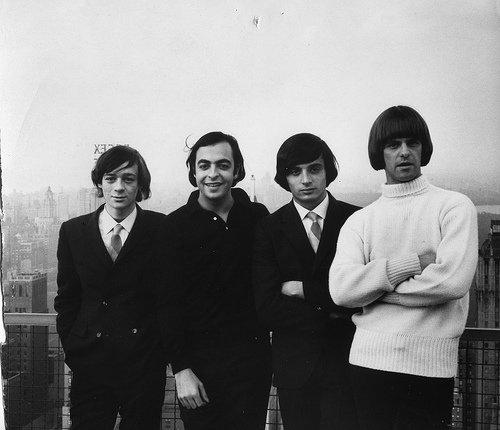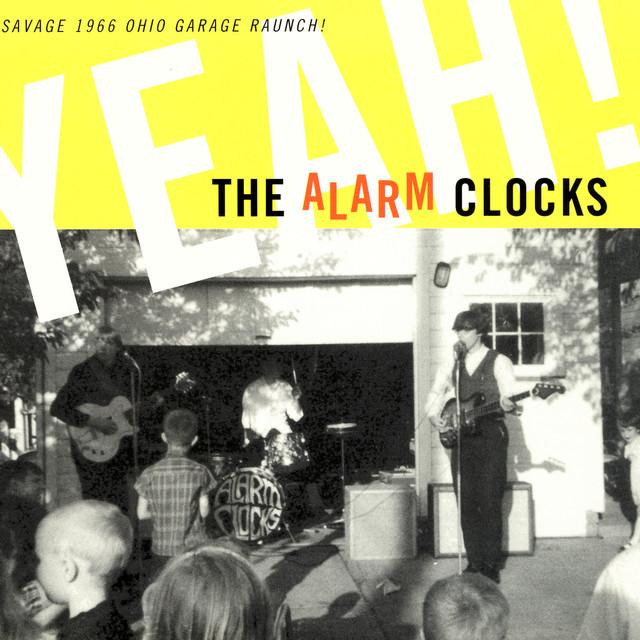
The Alarm Clocks

Rock
Garage Rock
 Viberate Rank: 315653
 Viberate Rank: 315653
 Monthly ListenersFollowers
 Subscribers
 Followers
 Followers
 FansTop Spotify Songs
| Track | 7-Day Streams | |
|---|---|---|
1 | 1.03K | |
2 | 804 | |
3 | 42 | |
4 | 35 | |
5 | 32 |
Top YouTube VideosMonthly ListenersFeatured in Playlists| Playlist | Followers | |
|---|---|---|
1 | Unofficial Reverb Radio Jeff Ferruzzo | 21.82K |
2 | Garage Rock & 60's Punk Robopjokk | 14.47K |
3 |  🔥PURE 60s GARAGE ROCK🔥 Kevin Gore | 11.58K |
4 |  El Sótano de Radio 3 Groovyfamily | 9.84K |
5 |  Surf rock/psychadelic/jingly jangly Sam Gbr Vy | 8.46K |
Audience| City | Monthly Listeners | |
|---|---|---|
1 | | 102 |
2 |  | 58 |
3 | | 54 |
4 | | 49 |
5 |  | 48 |
See full performance history, audience data, playlist activity, rankings, comparisons, and more in Viberate music analytics. Start with a free trial, then continue with a paid plan.
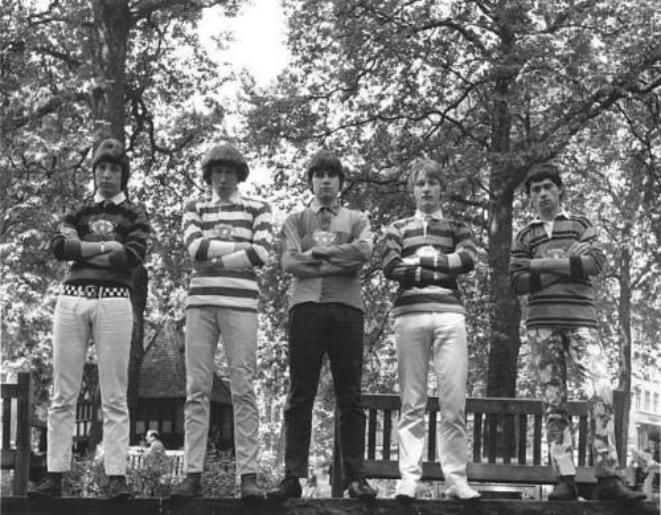
The Alarm Clocks’ Spotify BioFormed in 1965 by Parma, OH, teenagers Mike Pierce (bass and vocals), Bruce Boehm (guitar), and Bill Schwark (drums), the Alarm Clocks got a lot of mileage out of one 45 single, although it would be 40 some years before they would really take advantage of it. The trio recorded two raw slices of garage punk, "Yeah!" and "No Reason to Complain," live in a studio in 1966 and released it on their own Wake Up label, and a month or so later recorded a live demo tape of their live set at Sound Ideas Recording Studios. Nothing much came of either venture, and the group disbanded in 1967. The single, though, took on a life of its own, gradually filtering through the informal garage band collectors network and becoming a highly sought-after item.
Both sides of the 45 turned up on 1996's Back from the Grave compilation from Crypt Records, and eventually the bandmembers were tracked down. The A and B side of the single plus the complete demo tape and three tracks from Boehm's earlier band the… Perceptions made up the album Yeah!, which was released by Norton Records in 2000. Perhaps sensing unfinished business, the Alarm Clocks re-formed in 2006 with all the original members on board plus a new fourth member, guitarist Tom Fallon. This second coming of the group recorded a new album in two days at Freddy Fortune's basement studio in Michigan in 2006. The album appeared as The Time Has Come later in the year from Norton Records. ~ Steve Leggett, Rovi
Viberate is a music analytics platform built for A&Rs, artist managers, labels, booking agents, marketers, and artists.
It helps music professionals track artist growth, analyze audience data, monitor playlist activity, compare artists, follow song performance, and identify opportunities across the music market.
Public artist pages provide a free preview of selected artist data. Paid plans provide access to deeper analytics, historical data, charts, comparisons, playlist tools, exports, alerts, reports, and additional professional features.
Yes. Public Viberate artist pages provide selected artist analytics and music data for free.
Viberate also offers a 7-day free trial of the full platform. A credit card is required to start the trial. The trial includes access to the complete product so users can test deeper artist analytics, historical views, playlist insights, comparisons, charts, exports, alerts, and reporting features before choosing a paid plan.
Viberate provides artist analytics across streaming, playlists, social media, video, radio airplay, songs, and audience markets.
Users can analyze Spotify performance, Spotify and Apple Music playlists, YouTube activity, TikTok and Instagram growth, radio spins, song performance, audience locations, demographics, rankings, and overall artist momentum.
Artist profiles also connect to music charts, similar artists, and comparison tools, helping users benchmark performance and evaluate artists in context.
Viberate updates key artist and track data daily.
For followed artists and tracks, selected data is refreshed multiple times per day. This helps teams monitor playlist changes, streaming movement, audience growth, releases, and campaign performance with more current data.
Update frequency can vary depending on the metric and data source.
Yes. Viberate lets users compare up to five artists side by side across streaming, social media, audience, and engagement metrics.
Users can compare fanbase growth, audience demographics, locations, Spotify performance, social metrics, and other artist data over selected time periods.
Artist comparison can be used for A&R scouting, benchmarking, booking decisions, campaign planning, and evaluating artists with similar audiences or market positions.