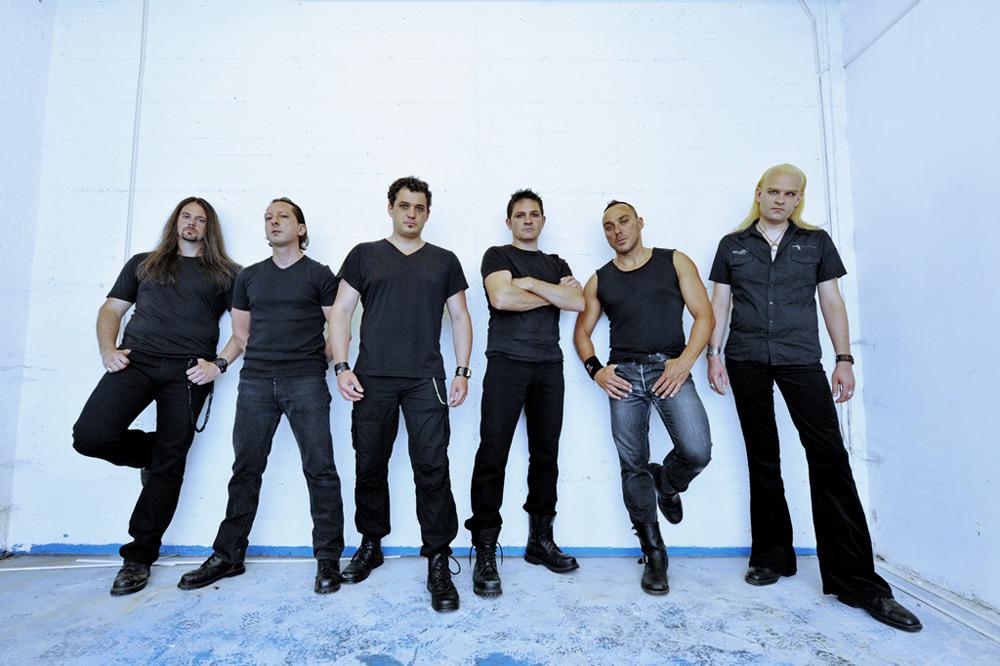
The Vision Bleak

Metal
Gothic Metal
 Viberate Rank: 150161
 Viberate Rank: 150161
 Monthly ListenersFollowers
 Subscribers
 Followers
 Followers
 FansTop Spotify Songs
| Track | 7-Day Streams | |
|---|---|---|
1 | 1.55K | |
2 | 715 | |
3 | 401 | |
4 | 304 | |
5 | 302 |
Top YouTube VideosMonthly ListenersFeatured in Playlists| Playlist | Followers | |
|---|---|---|
1 |  gothic metal & symphonic metal 🥀 lesfleursdumal | 12.47K |
2 |  Ultimate Goth Metal Loudwire | 10.13K |
3 | Atmospheric Metal Mellik | 5.53K |
4 |  Gothic / Dark / Doom Metal x505Metalheadx | 5.39K |
5 |  Heavy Halloween Loudwire | 4.27K |
Audience| City | Monthly Listeners | |
|---|---|---|
1 | | 203 |
2 | | 192 |
3 | | 172 |
4 |  | 139 |
5 |  | 138 |
See full performance history, audience data, playlist activity, rankings, comparisons, and more in Viberate music analytics. Start with a free trial, then continue with a paid plan.
The Vision Bleak’s Spotify BioThe Vision Bleak perform Horror Metal in perfection. When Ulf Theodor Schwadorf (Empyrium) and Allen B. Konstanz (Nox Mortis) founded the band back in 2000, they didn't suspect that their common project would soon develop a larger-than-life independent existence. The duo's theatrical and dark orchestral Metal knows no boundaries when it comes to opulence: Doom and Death, strings and operatic vocals, horror-movie soundtracks, and dark fiction all feed a kind of music that is 'Gothic' in the truest sense of the word. On each of their albums thus far, Schwadorf and Konstanz have been fathoming different dimensions of horror: from the tribute to various horror classics on "The Deathship Has A New Captain" (2004) via the H.P. Lovecraft-inspired concept album "Carpathia – A Dramatic Poem" (2005) and the more straight-forward and heavier "The Wolves Go Hunt Their Prey" (2007) to the musical and conceptional quintessence of "Set Sail To Mystery " and “Witching Hour” 2013. The Vision Bleak… create a total work of art in image and sound that is tailor-made to be brought on stage.
Viberate is a music analytics platform built for A&Rs, artist managers, labels, booking agents, marketers, and artists.
It helps music professionals track artist growth, analyze audience data, monitor playlist activity, compare artists, follow song performance, and identify opportunities across the music market.
Public artist pages provide a free preview of selected artist data. Paid plans provide access to deeper analytics, historical data, charts, comparisons, playlist tools, exports, alerts, reports, and additional professional features.
Yes. Public Viberate artist pages provide selected artist analytics and music data for free.
Viberate also offers a 7-day free trial of the full platform. A credit card is required to start the trial. The trial includes access to the complete product so users can test deeper artist analytics, historical views, playlist insights, comparisons, charts, exports, alerts, and reporting features before choosing a paid plan.
Viberate provides artist analytics across streaming, playlists, social media, video, radio airplay, songs, and audience markets.
Users can analyze Spotify performance, Spotify and Apple Music playlists, YouTube activity, TikTok and Instagram growth, radio spins, song performance, audience locations, demographics, rankings, and overall artist momentum.
Artist profiles also connect to music charts, similar artists, and comparison tools, helping users benchmark performance and evaluate artists in context.
Viberate updates key artist and track data daily.
For followed artists and tracks, selected data is refreshed multiple times per day. This helps teams monitor playlist changes, streaming movement, audience growth, releases, and campaign performance with more current data.
Update frequency can vary depending on the metric and data source.
Yes. Viberate lets users compare up to five artists side by side across streaming, social media, audience, and engagement metrics.
Users can compare fanbase growth, audience demographics, locations, Spotify performance, social metrics, and other artist data over selected time periods.
Artist comparison can be used for A&R scouting, benchmarking, booking decisions, campaign planning, and evaluating artists with similar audiences or market positions.