Darkseed

Metal
Gothic Metal
 Viberate Rank: 170637
 Viberate Rank: 170637
 Monthly ListenersFollowers
 Subscribers
 Followers
 Followers
 FansTop Spotify Songs
| Track | 7-Day Streams | |
|---|---|---|
1 | 3.36K | |
2 | 2.46K | |
3 | 2.37K | |
4 | 1.23K | |
5 | 975 |
Top YouTube VideosMonthly ListenersFeatured in Playlists| Playlist | Followers | |
|---|---|---|
1 |  gothic metal Paula | 41.31K |
2 | Metal Covers of non-metal songs Jorge García | 30.13K |
3 |  gothic metal & symphonic metal 🥀 lesfleursdumal | 12.47K |
4 |  This is Gothic Metal Deze | 12.16K |
5 |  Ultimate Goth Metal Loudwire | 10.13K |
Audience| City | Monthly Listeners | |
|---|---|---|
1 |  | 771 |
2 |  | 471 |
3 |  | 395 |
4 |  | 370 |
5 |  | 344 |
See full performance history, audience data, playlist activity, rankings, comparisons, and more in Viberate music analytics. Start with a free trial, then continue with a paid plan.
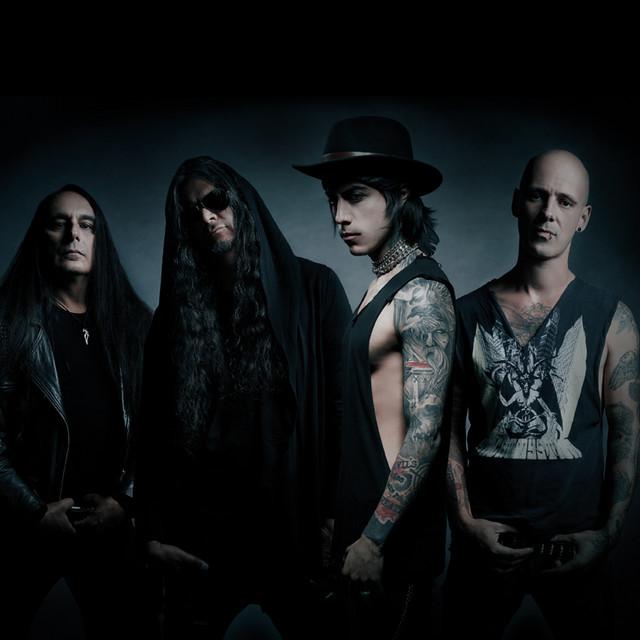
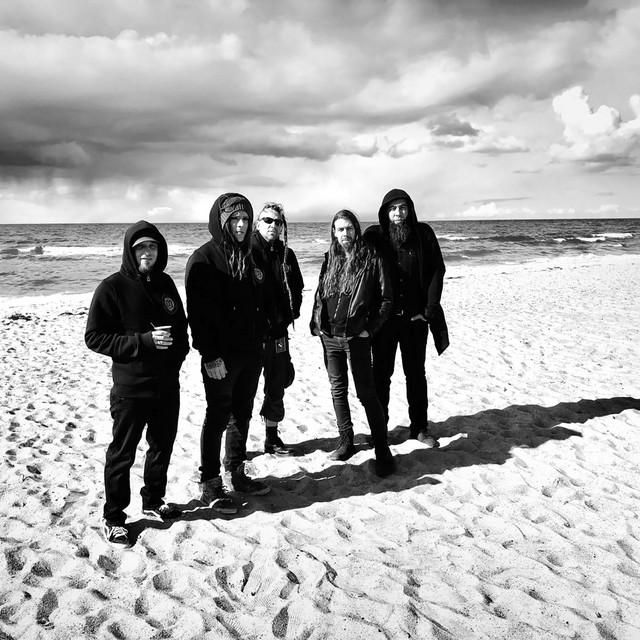
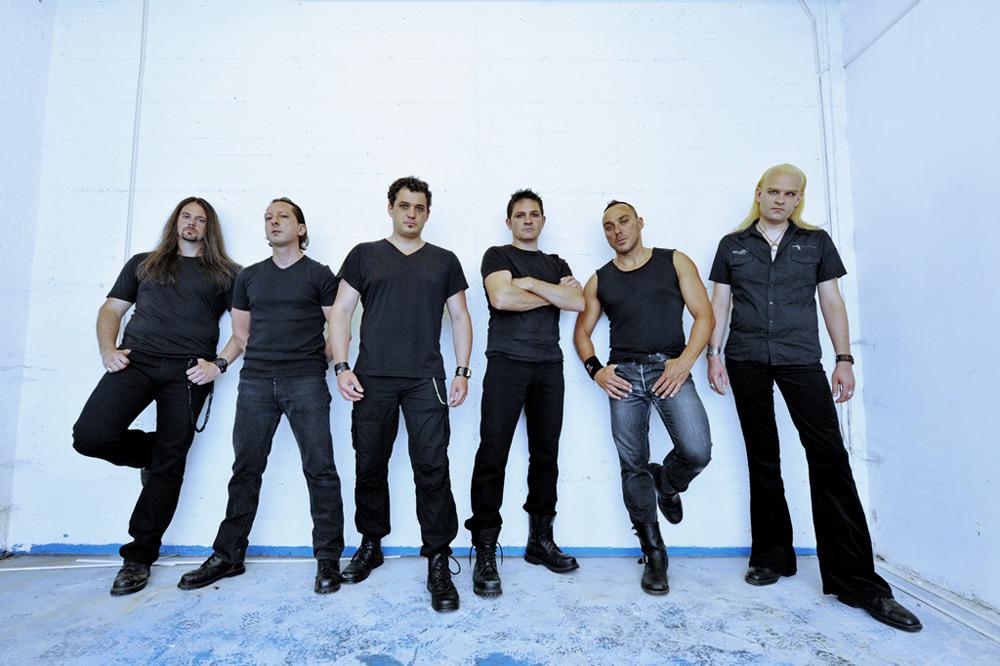
Darkseed’s Spotify BioNot wanting to take the traditional methods of generic death metal that everyone's heard a million times since Napalm Death's "Scum, " Germany's Darkseed take a more unconventional song writing method that aims more towards the gothic experimental route. Showing off this talent on their first two demo's "Sharing The Grave" (1992) and "Darksome Thoughts" (1993), Serenades Records picked Darkseed up and released their first full-length "Midnight Solemnly Dance" in 1996. Nuclear Blast immediately caught up with the band and quickly followed through with their second release Spellcraft a year later. Unfortunately with underground success came the price of several line up changes that resulted in Darkseed's year long hiatus. With things finally settling in with Stefan Hertrich (vocals), Willy Wurm (drums), Rico Calvagno (bass), Thomas Herrmann (guitar) and Tom Gilcher (guitar), their third album "Give Me Light" came out in 1999. Diving Into Darkness followed a year later.~ Mike DaRonco
Viberate is a music analytics platform built for A&Rs, artist managers, labels, booking agents, marketers, and artists.
It helps music professionals track artist growth, analyze audience data, monitor playlist activity, compare artists, follow song performance, and identify opportunities across the music market.
Public artist pages provide a free preview of selected artist data. Paid plans provide access to deeper analytics, historical data, charts, comparisons, playlist tools, exports, alerts, reports, and additional professional features.
Yes. Public Viberate artist pages provide selected artist analytics and music data for free.
Viberate also offers a 7-day free trial of the full platform. A credit card is required to start the trial. The trial includes access to the complete product so users can test deeper artist analytics, historical views, playlist insights, comparisons, charts, exports, alerts, and reporting features before choosing a paid plan.
Viberate provides artist analytics across streaming, playlists, social media, video, radio airplay, songs, and audience markets.
Users can analyze Spotify performance, Spotify and Apple Music playlists, YouTube activity, TikTok and Instagram growth, radio spins, song performance, audience locations, demographics, rankings, and overall artist momentum.
Artist profiles also connect to music charts, similar artists, and comparison tools, helping users benchmark performance and evaluate artists in context.
Viberate updates key artist and track data daily.
For followed artists and tracks, selected data is refreshed multiple times per day. This helps teams monitor playlist changes, streaming movement, audience growth, releases, and campaign performance with more current data.
Update frequency can vary depending on the metric and data source.
Yes. Viberate lets users compare up to five artists side by side across streaming, social media, audience, and engagement metrics.
Users can compare fanbase growth, audience demographics, locations, Spotify performance, social metrics, and other artist data over selected time periods.
Artist comparison can be used for A&R scouting, benchmarking, booking decisions, campaign planning, and evaluating artists with similar audiences or market positions.