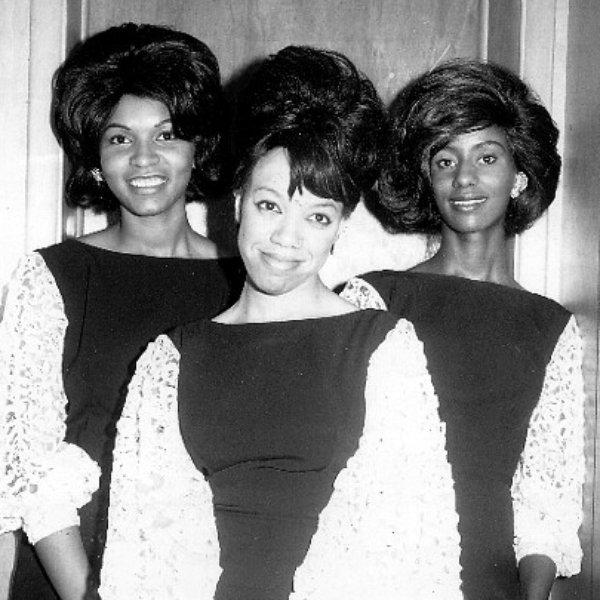
The Velvelettes

R&B
Contemporary R&B
Soul
Mainstream Pop
 Viberate Rank: 80356
 Viberate Rank: 80356
 Monthly ListenersFollowers
 Subscribers
 Followers
 Followers
 FansTop Spotify Songs
| Track | 7-Day Streams | |
|---|---|---|
1 | 35.30K | |
2 | 12.18K | |
3 | 4.52K | |
4 | 4.20K | |
5 | 1.98K |
Top YouTube Videos| Video | 7-Day Views | |
|---|---|---|
1 | 471 | |
2 | 266 | |
3 | 243 | |
4 | 177 | |
5 | 142 |
Monthly ListenersFeatured in Playlists| Playlist | Followers | |
|---|---|---|
1 |  Feelin' Good Spotify | 3.58M |
2 |  Motown Spotify | 498.41K |
3 |  Motown Greatest Hits Christopher Mclaren | 272.27K |
4 |  Motown Classics | Classic Soul Hits uDiscover Playlists | 187.83K |
5 |  Northern Soul Classics Spotify | 153.00K |
Audience| City | Monthly Listeners | |
|---|---|---|
1 |  | 6.35K |
2 | | 4.24K |
3 | | 2.05K |
4 | | 1.21K |
5 |  | 951 |
See full performance history, audience data, playlist activity, rankings, comparisons, and more in Viberate music analytics. Start with a free trial, then continue with a paid plan.
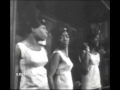
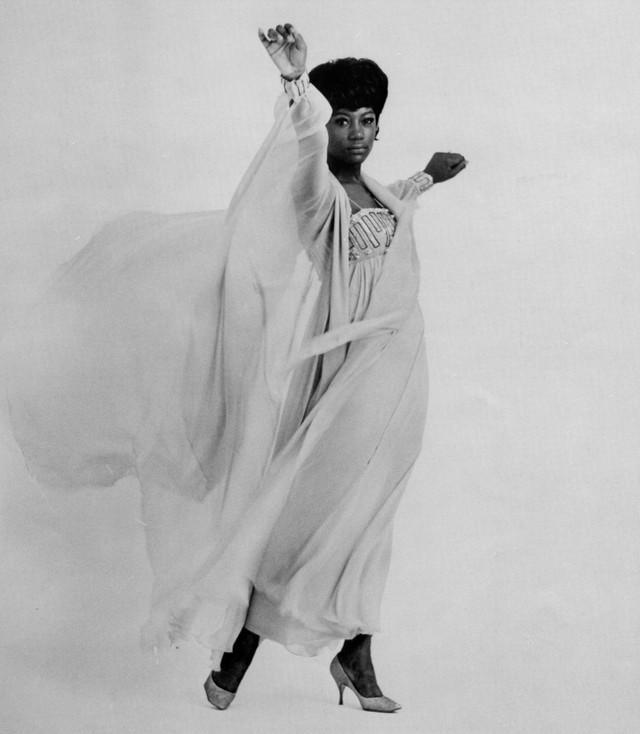
The Velvelettes’ Spotify BioVery much in the Motown girl-group mold shared by labelmates the Marvelettes, Martha & the Vandellas, and the Supremes, the Velvelettes scored a handful of charting singles from 1964 through 1966. Among their most noteworthy hits were "Needle in a Haystack," which almost made the pop Top 40, and the similarly upbeat "He Was Really Sayin' Somethin'," revived in the '80s with great success by Bananarama. Numerous lineup changes hastened the Velvelettes' breakup at the dawn of the 1970s. The group reunited in the mid-'80s, released the studio album One Door Closes (1990), and have continued to perform into the 2020s. Their '60s recordings have been collected on The Very Best of the Velvelettes (1999) and the more expansive Motown Anthology (2004).
The Velvelettes were formed in 1961 by Bertha Barbee and Mildred Gill, both of whom were students at Western Michigan University in Kalamazoo. They became a quintet after Gill enlisted younger sister Carolyn (aka Cal) and Carolyn's high school… friend Betty Kelly, and Barbee added cousin Norma Barbee. They gained a following at WMU, singing at campus dance events and even winning a talent contest. Encouraged by one of Berry Gordy's nephews, the group auditioned for Motown and were signed to the label by the end of 1962. The Velvelettes debuted instead on the IPG label in 1963 with "There He Goes," written by Motown songwriter/producer Mickey Stevenson and recorded at Motown's Hitsville U.S.A. studio (with Stevie Wonder on harmonica). The rest of the Velvelettes' singles were issued on Motown sublabels V.I.P. and Soul. They had their greatest success working with the then-emerging Norman Whitfield on the successive "Needle in a Haystack" (number 45 pop, number 31 R&B) and "He Was Really Sayin' Somethin'" (number 64 pop, number 21 R&B). Kelly left the group between the release of the two singles to join Martha & the Vandellas. "Lonely, Lonely Girl Am I" (number 95 pop, number 34 R&B), "A Bird in the Hand (Is Worth Two in the Bush)," and "These Things Will Keep Me Loving You" (number 43 R&B) followed during the remainder of 1965 and 1966.
The group didn't release anything else but continued to perform. Membership turnover was frequent, as Bertha and Norma Barbee, along with Mildred Gill, all left the group. Carolyn Gill remained, and was joined by Sandra Tilley and Annette McMillan. Plans for a Velvelettes album were left unfulfilled. In 1970, after Tilley had joined the Vandellas, Gill opted to dissolve the group altogether. The following year, "These Things Will Keep Me Loving You" was released in the U.K., where it cracked the Top 40, peaking at number 34. Tilley, who had left the music industry in the early '70s, died after a brain aneurysm in 1983. The Barbee cousins and Gill sisters -- following marriages known as Bertha Barbee-McNeal, Norma Barbee-Fairhurst, Mildred Gill-Arbor, and Carolyn Gill-Street -- reunited long-term in 1984. One Door Closes, a collection of studio re-recordings and originals, was released in 1990 on U.K. DJ/producer Ian Levine's Motorcity label. Bertha Barbee-McNeal, who earned a master's degree in music education and became deeply involved in her field and the Kalamazoo community, died of colon cancer in December 2022, six months after performing with the Velvelettes at a Juneteenth celebration in Kalamazoo. ~ Andy Kellman & Richie Unterberger, Rovi
Viberate is a music analytics platform built for A&Rs, artist managers, labels, booking agents, marketers, and artists.
It helps music professionals track artist growth, analyze audience data, monitor playlist activity, compare artists, follow song performance, and identify opportunities across the music market.
Public artist pages provide a free preview of selected artist data. Paid plans provide access to deeper analytics, historical data, charts, comparisons, playlist tools, exports, alerts, reports, and additional professional features.
Yes. Public Viberate artist pages provide selected artist analytics and music data for free.
Viberate also offers a 7-day free trial of the full platform. A credit card is required to start the trial. The trial includes access to the complete product so users can test deeper artist analytics, historical views, playlist insights, comparisons, charts, exports, alerts, and reporting features before choosing a paid plan.
Viberate provides artist analytics across streaming, playlists, social media, video, radio airplay, songs, and audience markets.
Users can analyze Spotify performance, Spotify and Apple Music playlists, YouTube activity, TikTok and Instagram growth, radio spins, song performance, audience locations, demographics, rankings, and overall artist momentum.
Artist profiles also connect to music charts, similar artists, and comparison tools, helping users benchmark performance and evaluate artists in context.
Viberate updates key artist and track data daily.
For followed artists and tracks, selected data is refreshed multiple times per day. This helps teams monitor playlist changes, streaming movement, audience growth, releases, and campaign performance with more current data.
Update frequency can vary depending on the metric and data source.
Yes. Viberate lets users compare up to five artists side by side across streaming, social media, audience, and engagement metrics.
Users can compare fanbase growth, audience demographics, locations, Spotify performance, social metrics, and other artist data over selected time periods.
Artist comparison can be used for A&R scouting, benchmarking, booking decisions, campaign planning, and evaluating artists with similar audiences or market positions.