The Textones

Rock
Folk Rock
Power Pop
 Viberate Rank: 487167
 Viberate Rank: 487167
 Monthly ListenersFollowers
 Subscribers
 Followers
 Followers
 FansTop Spotify Songs
| Track | 7-Day Streams | |
|---|---|---|
1 | 420 | |
2 | 106 | |
3 | 38 | |
4 | 19 | |
5 | 14 |
Top YouTube VideosMonthly ListenersFeatured in Playlists| Playlist | Followers | |
|---|---|---|
1 |  Halt and Catch Fire Dudu Torres | 16.00K |
2 | Real Genius Soundtrack 1985 Brent Doyle | 2.51K |
3 |  The Go-Go’s – Songs from the Documentary Film The Go-Go's | 1.69K |
Audience| City | Monthly Listeners | |
|---|---|---|
1 | | 22 |
2 | | 17 |
3 | | 16 |
4 | | 16 |
5 |  | 16 |
See full performance history, audience data, playlist activity, rankings, comparisons, and more in Viberate music analytics. Start with a free trial, then continue with a paid plan.
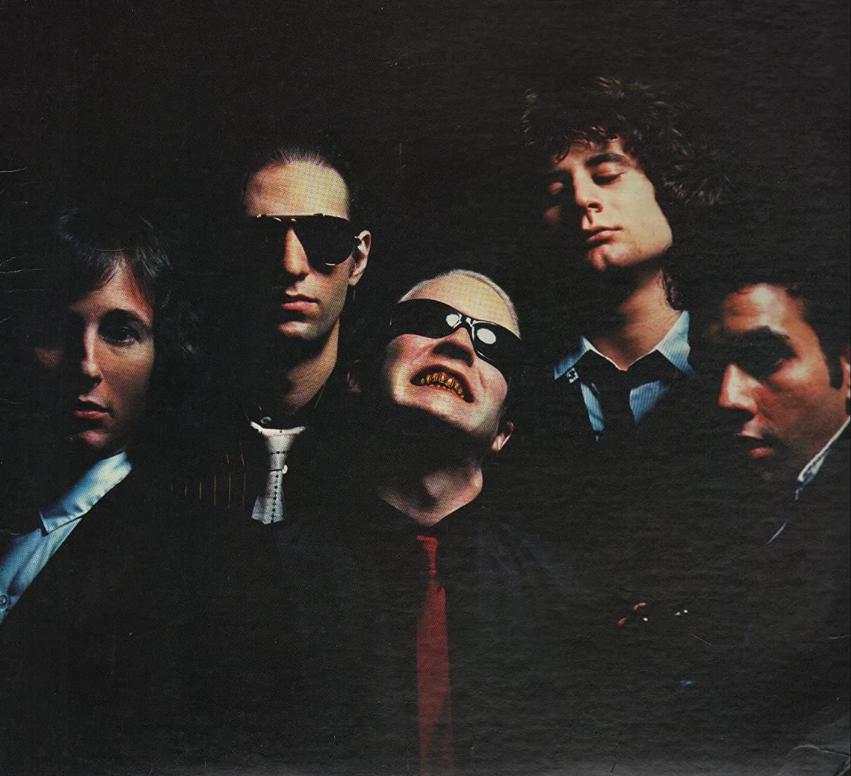
The Textones’ Spotify BioWhile they first found an audience as part of the Los Angeles New Wave scene of the late '70s and '80s, the Textones were a band that were less interested in upending tradition than embracing the glories of America's musical past. Led by vocalist, guitarist, and songwriter Carla Olson, the Textones were strongly influenced by vintage folk-rock, classic rock of the '60s, and country rock; their sound anticipated the roots rock and Americana movements that would rise in later decades, and their heartfelt, passionate sound was informed by acts like Tom Petty, Bruce Springsteen, and heartland rock artists as much as their peers on the West Coast club circuit. The Textones' first recordings had a wiry, garage-rock edge to them, particularly their debut single for Chiswick, but the more polished and earnest approach that would be their hallmark was firmly in place when they cut their debut album, 1984's Midnight Mission, while they embraced a more rootsy and personal perspective on 1987's… Cedar Creek.
The Textones were formed in Austin, Texas in 1978 by two singer/songwriters and guitarists, Carla Olson and Kathy Valentine. The two friends, who had briefly been members of the Austin punk band the Violators, decided they wanted to start a band of their own, and flipped a coin over whether they should head to New York or Los Angeles to put their plan into motion. Los Angeles won, and the pair soon headed west. Once settled, Olson and Valentine recruited a rhythm section -- bassist David Provost, who had played in Ike & Tina Turner's road band, and Markus Cuff, a drummer who had worked with Emmylou Harris. The Textones began gigging regularly on the L.A. club circuit, and they released a pair of 7"s in 1980 -- a three-song EP for the U.K. label Chiswick (a cover of Tom Petty's "I Can't Fight It" b/w Valentine's "Vacation" and Olson's "The Time Is Right"), and a single for Faulty Products (Valentine's "Some Other Girl" and Olson's "Reason to Leave"). By the end of 1980, Valentine left the Textones and joined the Go-Go's; their debut album, 1981's Beauty and the Beat, became a massive success, and Valentine reworked the song "Vacation" as the title song for their 1982 sophomore LP.
Valentine's departure was just the first in a number of personnel changes for the Textones. First, the band added a sax player Tom Junior Morgan, and next they brought in a new lead guitarist, George Callins, whose style was steeped in the blues. And eventually the rhythm section also turned over, with Joe Read taking over on bass and Phil Seymour, formerly of the Dwight Twilley Band, on drums and harmony vocals. It was this edition of the Textones that landed a deal with the A&M-distributed Gold Mountain label, which released their first album, Midnight Mission, in 1984. The album reflected the more polished sound and politically conscious direction the Textones had taken since Valentine's departure, especially on the title track, which became a minor hit thanks to radio and MTV play. The band toured extensively in the United States and Europe, but changes were in store. First Phil Seymour dropped out of the Textones following their European tour when he was diagnosed with lymphoma, then Gold Mountain lost their distribution deal with A&M, and MCA Records, who was now handling the label, didn't put the same promotional push behind the group. After bringing aboard drummer Rick Hemmert, the Textones recorded and released a second album, 1987's Cedar Creek, which found Olson exploring more personal themes in her lyrics and putting a greater emphasis on their roots- music influences.
During the same period when Cedar Creek was written and recorded, Olson began collaborating with Gene Clark, the celebrated singer/songwriter who had been a founding member of the Byrds. Originally, the two were passing songs back and forth at informal get-togethers among musicians, and discovered they were on the same page musically. This led to a handful of live performances with Olson joining Clark on-stage, and the two recorded a duo album, So Rebellious a Lover, which was issued in 1987. The album was a hit with critics and sold well enough to become Clark's biggest commercial success as a solo artist. With interest in the Textones fading, the press embracing Olson's album with Clark, and Olson briefly sidelined by health problems related to diabetes, the Textones went their separate ways, and in 1989, Olson released her first solo album, simply titled Carla Olson. Two collections of rare and unreleased Textones material would appear in 1989 in the wake of their layoff, Back in Time and Through the Canyon. From the '90s onward, Olson divided her time between solo work, collaborations with former Rolling Stones guitarist Mick Taylor, and producing sessions for other artists, including former Manfred Mann vocalist Paul Jones, ex-Electric Flag keyboard player Barry Goldberg, blues guitarist Joe Louis Walker, and actress turned singer/songwriter Mare Winningham. A Textones show recorded for radio broadcast on the Midnight Mission tour received a belated release in 2008 as Detroit '85: Live & Unreleased. However, Olson always insisted the Textones had never really broken up, and in the 2010s, she and her bandmates began working together again. In 2018, the same line-up of the band that recorded Cedar Creek reunited for the Textones' third studio album, Old Stone Gang. ~ Mark Deming, Rovi
Viberate is a music analytics platform built for A&Rs, artist managers, labels, booking agents, marketers, and artists.
It helps music professionals track artist growth, analyze audience data, monitor playlist activity, compare artists, follow song performance, and identify opportunities across the music market.
Public artist pages provide a free preview of selected artist data. Paid plans provide access to deeper analytics, historical data, charts, comparisons, playlist tools, exports, alerts, reports, and additional professional features.
Yes. Public Viberate artist pages provide selected artist analytics and music data for free.
Viberate also offers a 7-day free trial of the full platform. A credit card is required to start the trial. The trial includes access to the complete product so users can test deeper artist analytics, historical views, playlist insights, comparisons, charts, exports, alerts, and reporting features before choosing a paid plan.
Viberate provides artist analytics across streaming, playlists, social media, video, radio airplay, songs, and audience markets.
Users can analyze Spotify performance, Spotify and Apple Music playlists, YouTube activity, TikTok and Instagram growth, radio spins, song performance, audience locations, demographics, rankings, and overall artist momentum.
Artist profiles also connect to music charts, similar artists, and comparison tools, helping users benchmark performance and evaluate artists in context.
Viberate updates key artist and track data daily.
For followed artists and tracks, selected data is refreshed multiple times per day. This helps teams monitor playlist changes, streaming movement, audience growth, releases, and campaign performance with more current data.
Update frequency can vary depending on the metric and data source.
Yes. Viberate lets users compare up to five artists side by side across streaming, social media, audience, and engagement metrics.
Users can compare fanbase growth, audience demographics, locations, Spotify performance, social metrics, and other artist data over selected time periods.
Artist comparison can be used for A&R scouting, benchmarking, booking decisions, campaign planning, and evaluating artists with similar audiences or market positions.