Cheetah Chrome

Punk
Punk Rock
Garage Rock
 Viberate Rank: 261655
 Viberate Rank: 261655
 Monthly ListenersFollowers
 Subscribers
 Followers
 Followers
 FansTop Spotify Songs
| Track | 7-Day Streams | |
|---|---|---|
1 | 316 | |
2 | 314 | |
3 | 227 | |
4 | 226 | |
5 | 171 |
Top YouTube VideosMonthly ListenersFeatured in Playlists| Playlist | Followers | |
|---|---|---|
1 |  Die Toten Hosen - Complete Die Toten Hosen | 37.00K |
2 |  Numero Group 26 Numero Group | 32.96K |
3 |  ROCK LEGENDS 2026 Vibe Agency - Asia | 31.68K |
4 |  Dark Country & Southern Rock Toby Schuetgens | 23.80K |
5 |  Mr Mercedes Soundtrack Seasons 1, 2 & 3 Ignatious Pop | 22.58K |
Audience| City | Monthly Listeners | |
|---|---|---|
1 |  | 32 |
2 |  | 26 |
3 |  | 24 |
4 | | 22 |
5 | | 19 |
See full performance history, audience data, playlist activity, rankings, comparisons, and more in Viberate music analytics. Start with a free trial, then continue with a paid plan.
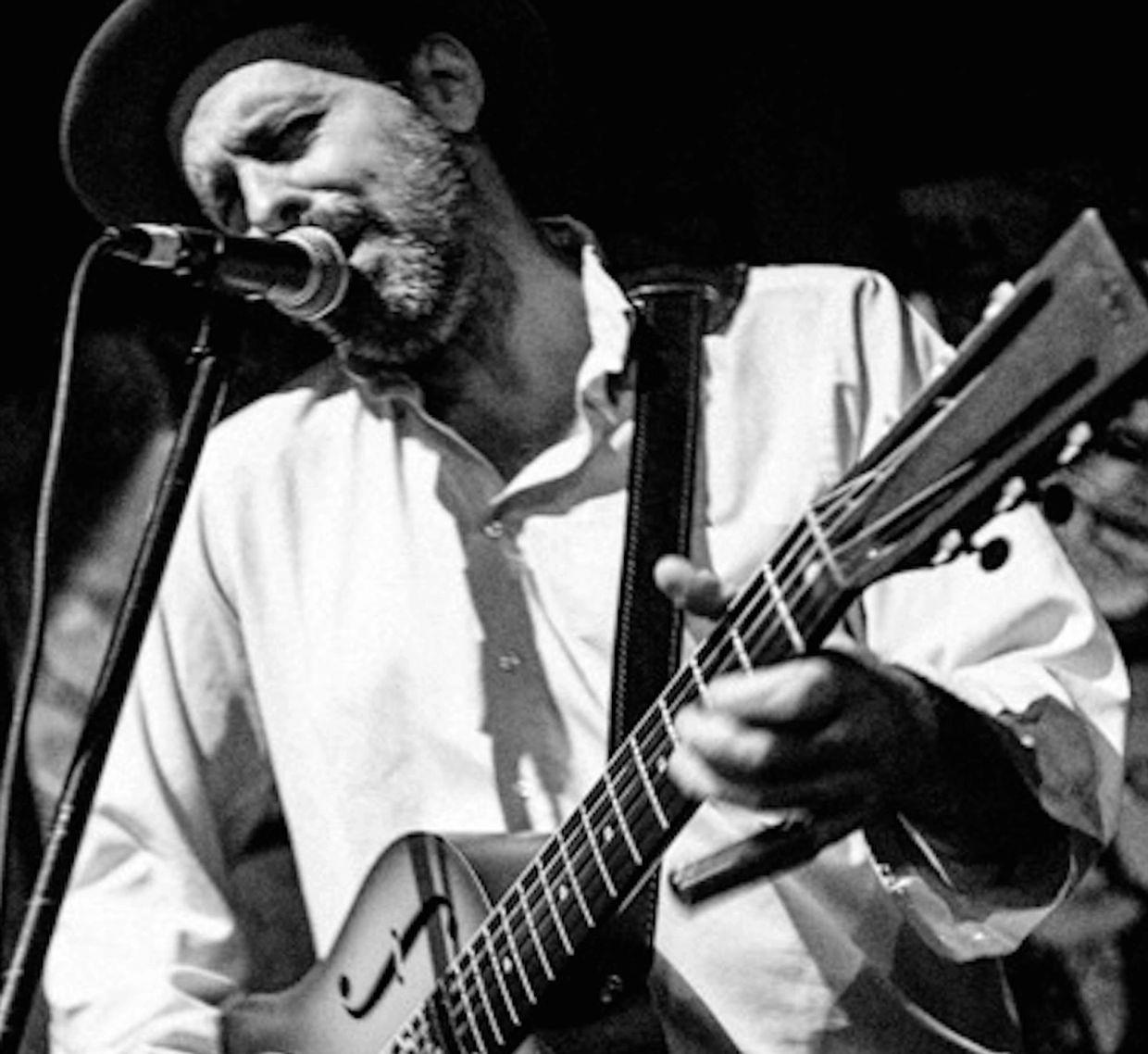
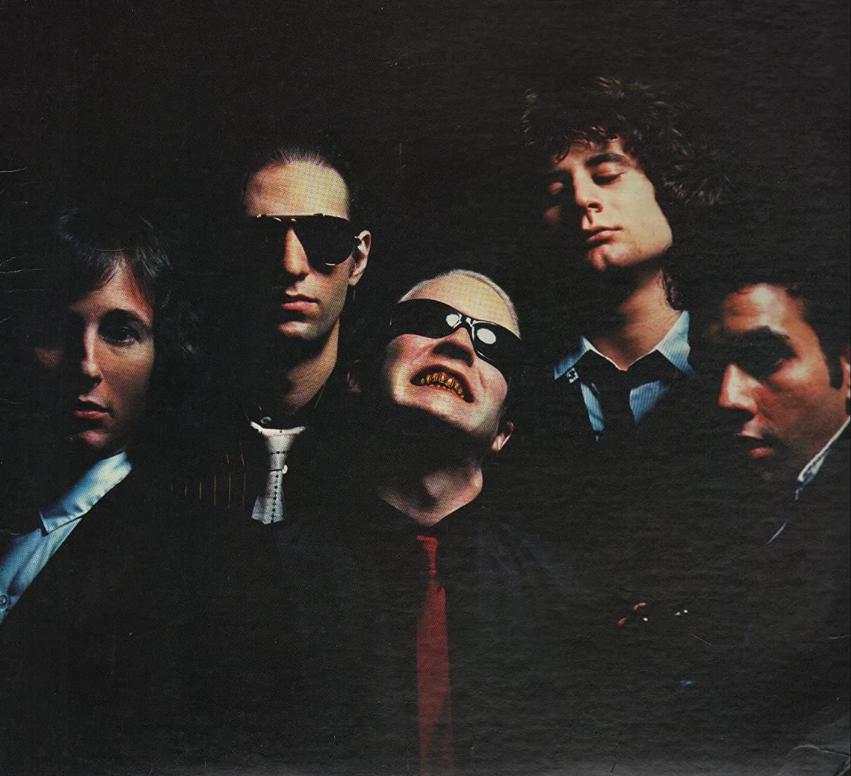
Cheetah Chrome’s Spotify BioThough he didn't manage to become rich and famous in the process, Cheetah Chrome was one of the first guitar heroes of American punk rock who helped give underground music a sorely needed kick in the ass in the mid-'70s as part of the vital Cleveland, OH, scene, while also helping launch the punk explosion at GBGB.
Born Gene O'Connor in Cleveland, OH, Cheetah Chrome got his first guitar as a Christmas present after having his head turned around by seeing the Beatles on The Ed Sullivan Show, but he found his first major inspiration as a guitarist when he heard the song "Born to Be Wild" by Steppenwolf. In the early '70s, Chrome had become a major fan of the Stooges, the MC5, and Alice Cooper, and began playing in Cleveland-based cover bands with drummer John Madansky, who later took the stage name Johnny Blitz. Through a classified ad, Chrome and Blitz met Cleveland underground rock visionary Peter Laughner and soon joined his fabled pre-punk band Rocket From the Tombs. Creative… squabbles broke up Rocket From the Tombs before they could make much of a dent outside of Cleveland; Laughner and Crocus Behemoth (aka David Thomas) went on to form Pere Ubu, and Chrome, Blitz, and singer Steve Bator -- better-known as Stiv Bators, and very briefly a member of a late RFTT lineup -- formed a hard rock band called Frankenstein. Frankenstein only lasted a few months, but when word about the nascent New York punk rock scene spearheaded by the Ramones filtered back to Cleveland, Chrome, Bators, and Blitz joined forces with guitarist William Wilden (aka Jimmy Zero) and bassist Jeff Halmagy (aka Jeff Magnum) and formed the Dead Boys. The band's intense live show, sparked by Chrome's powerful guitar work, made them a sensation after their New York debut at CBGB. The band was signed to Sire Records in 1977, releasing the classic album Young, Loud and Snotty that year. However, while the band was the talk of the punk scene, they were unable to break through to wider recognition, and a disappointing second album coupled with in-fighting and spiraling drug and alcohol problems led to the Dead Boys' breakup in 1980, though the band would briefly reunite in the mid-'80s.
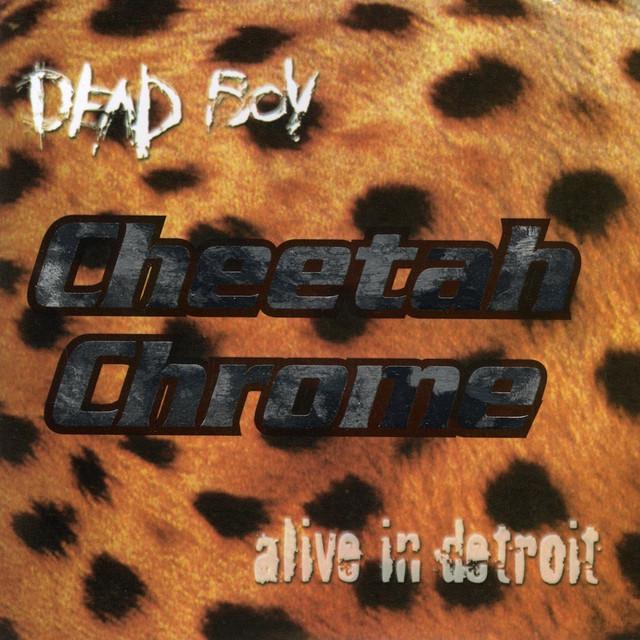
While Stiv Bators managed a fairly successful career after the Dead Boys, Cheetah Chrome kept a much lower profile, occasionally recording in collaboration with Angry Samoans founder Jeff Dahl and performing for a spell with the group the Ghetto Dogs. Chrome also played with a short-lived group called Shotgun Rationale with Sonny Vincent of the Testors and Bob Stinson of the Replacements; Chrome also contributed guitar work to Vincent's album Pure Filth. In the mid-'90s, Chrome relocated to Nashville and began putting together a band; after recording a 1996 solo album that went unreleased due to record company problems (it was produced by Genya Ravan, who was also behind the board for Young, Loud and Snotty), Chrome began touring periodically. A 1999 live show in Detroit resulted in his first full-length solo release, Alive in Detroit, on which Chrome jokingly mentions a recurring rumor about his death that led to an obituary being published in a New York newspaper. Chrome continues to write new material and in 2001 was blocking out plans for a new solo album; he was also immortalized in song by Tommy Womack, whose 1998 album Positively Na Na featured the song "Whatever Happened to Cheetah Chrome?" ("the man with the orange Dead Boys dome?"). ~ Mark Deming, Rovi
Viberate is a music analytics platform built for A&Rs, artist managers, labels, booking agents, marketers, and artists.
It helps music professionals track artist growth, analyze audience data, monitor playlist activity, compare artists, follow song performance, and identify opportunities across the music market.
Public artist pages provide a free preview of selected artist data. Paid plans provide access to deeper analytics, historical data, charts, comparisons, playlist tools, exports, alerts, reports, and additional professional features.
Yes. Public Viberate artist pages provide selected artist analytics and music data for free.
Viberate also offers a 7-day free trial of the full platform. A credit card is required to start the trial. The trial includes access to the complete product so users can test deeper artist analytics, historical views, playlist insights, comparisons, charts, exports, alerts, and reporting features before choosing a paid plan.
Viberate provides artist analytics across streaming, playlists, social media, video, radio airplay, songs, and audience markets.
Users can analyze Spotify performance, Spotify and Apple Music playlists, YouTube activity, TikTok and Instagram growth, radio spins, song performance, audience locations, demographics, rankings, and overall artist momentum.
Artist profiles also connect to music charts, similar artists, and comparison tools, helping users benchmark performance and evaluate artists in context.
Viberate updates key artist and track data daily.
For followed artists and tracks, selected data is refreshed multiple times per day. This helps teams monitor playlist changes, streaming movement, audience growth, releases, and campaign performance with more current data.
Update frequency can vary depending on the metric and data source.
Yes. Viberate lets users compare up to five artists side by side across streaming, social media, audience, and engagement metrics.
Users can compare fanbase growth, audience demographics, locations, Spotify performance, social metrics, and other artist data over selected time periods.
Artist comparison can be used for A&R scouting, benchmarking, booking decisions, campaign planning, and evaluating artists with similar audiences or market positions.