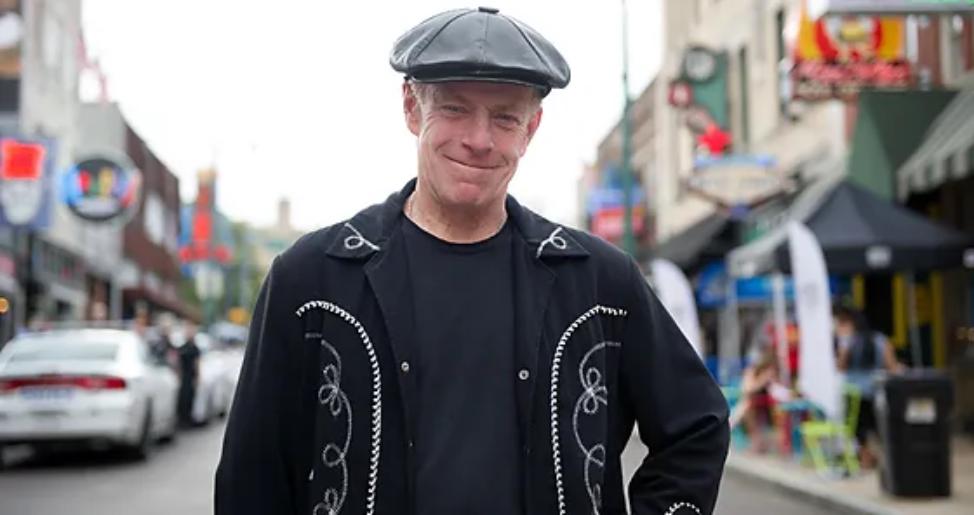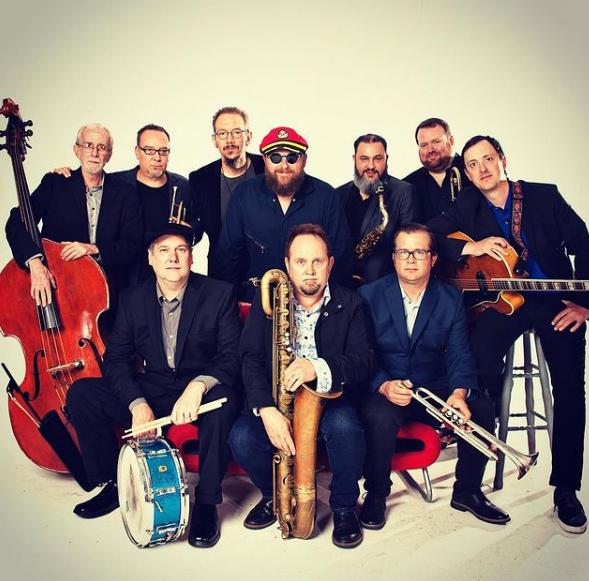
The Texas Horns

Blues
Classic Blues
Contemporary Blues
 Viberate Rank: 545319
 Viberate Rank: 545319
 Monthly ListenersFollowers
 Subscribers
 Followers
 Followers
 FansTop Spotify Songs
| Track | 7-Day Streams | |
|---|---|---|
1 | 368 | |
2 | 41 | |
3 | 32 | |
4 | 26 | |
5 | 23 |
Top YouTube VideosMonthly ListenersFeatured in Playlists| Playlist | Followers | |
|---|---|---|
1 |  Soul Blues Spotify | 44.92K |
2 |  Funky, Jazzy, Soul Grooves ☀️ by Don's Tunes Don's Tunes | 12.38K |
3 |  Blues, Rock´n Roll and Boogie Woogie 1 Urban Mathiasson | 2.93K |
4 |  Austin Blues Radio (Official) Timeless Hits Radio | 2.39K |
5 | Bluesrock Bjørn Storli | 2.19K |
Audience| City | Monthly Listeners | |
|---|---|---|
1 |  | 6 |
2 | | 6 |
3 | | 5 |
4 | | 4 |
5 |  | 3 |
See full performance history, audience data, playlist activity, rankings, comparisons, and more in Viberate music analytics. Start with a free trial, then continue with a paid plan.
The Texas Horns’ Spotify BioThe Texas Horns, widely recognized as the preeminent hard-blowing three-piece blues, soul and roots music horn section, bring 25 years of stellar live performances, acclaimed session work, and solid album production to their every effort. Based in Texas in Austin and San Antonio, The Texas Horns are Mark “Kaz” Kazanoff, tenor sax, harmonica and vocals; John Mills, baritone sax and flute; and Al Gomez, trumpet and flugelhorn.
The Texas Horns have performed live with literally hundreds of artists at major festivals and world class venues, including Tampa Bay Blues Festival, Chicago Blues Festival, London’s Royal Albert Hall, The Legendary Rhythm & Blues Cruise, Austin’s Antone’s Nightclub and more. Over the years, The Texas Horns have performed frequently with artists such as Marcia Ball, Earl King, John Nemeth, Ronnie Earl, Carolyn Wonderland, Lonnie Brooks, Diunna Greenleaf, Sue Foley, Gary Nicholson, Guy Forsyth, and Curtis Salgado. Recent touring with Jimmie Vaughan has included… opening for Eric Clapton in September of 2021.
In addition to stellar horn section work, The Texas Horns’ session work with dozens of major artists includes a Grammy nomination with Delbert McClinton for Live from Austin, a Handy award with Anson Funderburgh for Sins, and recent work with Jimmie Vaughan, (Grammy-nominated Baby, Please Come Home), Sue Foley (The Ice Queen) and many more. They won the 27th Annual Living Blues Critics Poll for Most Outstanding Musician (Horns).
Viberate is a music analytics platform built for A&Rs, artist managers, labels, booking agents, marketers, and artists.
It helps music professionals track artist growth, analyze audience data, monitor playlist activity, compare artists, follow song performance, and identify opportunities across the music market.
Public artist pages provide a free preview of selected artist data. Paid plans provide access to deeper analytics, historical data, charts, comparisons, playlist tools, exports, alerts, reports, and additional professional features.
Yes. Public Viberate artist pages provide selected artist analytics and music data for free.
Viberate also offers a 7-day free trial of the full platform. A credit card is required to start the trial. The trial includes access to the complete product so users can test deeper artist analytics, historical views, playlist insights, comparisons, charts, exports, alerts, and reporting features before choosing a paid plan.
Viberate provides artist analytics across streaming, playlists, social media, video, radio airplay, songs, and audience markets.
Users can analyze Spotify performance, Spotify and Apple Music playlists, YouTube activity, TikTok and Instagram growth, radio spins, song performance, audience locations, demographics, rankings, and overall artist momentum.
Artist profiles also connect to music charts, similar artists, and comparison tools, helping users benchmark performance and evaluate artists in context.
Viberate updates key artist and track data daily.
For followed artists and tracks, selected data is refreshed multiple times per day. This helps teams monitor playlist changes, streaming movement, audience growth, releases, and campaign performance with more current data.
Update frequency can vary depending on the metric and data source.
Yes. Viberate lets users compare up to five artists side by side across streaming, social media, audience, and engagement metrics.
Users can compare fanbase growth, audience demographics, locations, Spotify performance, social metrics, and other artist data over selected time periods.
Artist comparison can be used for A&R scouting, benchmarking, booking decisions, campaign planning, and evaluating artists with similar audiences or market positions.