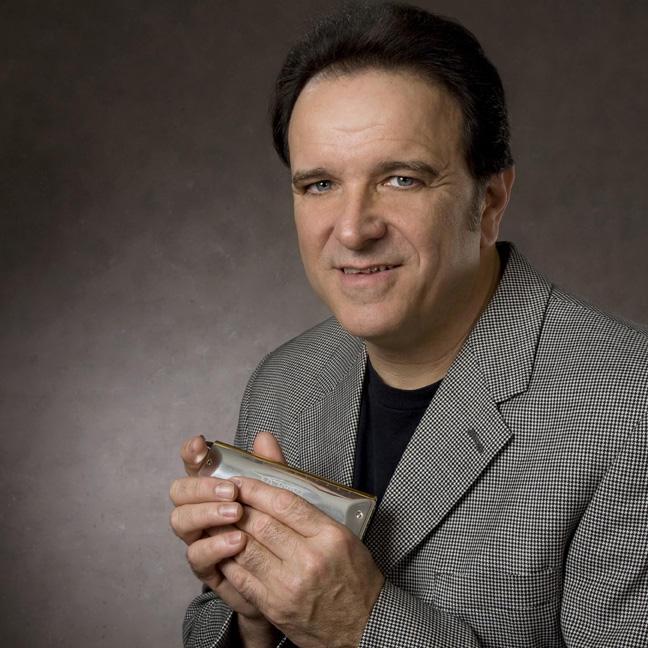
Deanna Bogart

R&B
Contemporary R&B
Jazz Fusion
Blues Rock
 Viberate Rank: 324740
 Viberate Rank: 324740
 Monthly ListenersFollowers
 Subscribers
 Followers
 Followers
 FansTop Spotify Songs
| Track | 7-Day Streams | |
|---|---|---|
1 | 451 | |
2 | 167 | |
3 | 125 | |
4 | 101 | |
5 | 99 |
Top YouTube VideosMonthly ListenersFeatured in Playlists| Playlist | Followers | |
|---|---|---|
1 |  The Best Female Blues & Jazz Vocals | Don's Tunes Don's Tunes | 14.96K |
2 | PIANO BLUES ... John Firth | 14.83K |
3 | Jazz funk fusion bass groove enanoacosta | 10.66K |
4 | Burning Jazz-rock Fusion fusionprogguy | 8.92K |
5 |  Blues For Driving PaulB | 5.19K |
Audience| City | Monthly Listeners | |
|---|---|---|
1 |  | 30 |
2 |  | 22 |
3 | | 14 |
4 |  | 14 |
5 | | 14 |
See full performance history, audience data, playlist activity, rankings, comparisons, and more in Viberate music analytics. Start with a free trial, then continue with a paid plan.
Deanna Bogart’s Spotify BioDrawing on a variety of musical sources ranging from boogie-woogie to New Orleans R&B to swing to rock & roll, singer and barrelhouse pianist Deanna Bogart emerged as one of the most eclectic performers in contemporary blues. Born in Detroit in 1960, she cut her teeth on the Maryland blues circuit, developing a crowd-pleasing style that often found her leaping up from her piano bench to chat with the audience; clad in her trademark black fedora, Bogart was also known to blow a mean tenor saxophone. A gifted composer as well, her debut LP, Out to Get You, appeared in 1991, followed in 1992 by Crossing Borders; a four-year hiatus preceded the release of New Address on Lightyear. Timing Is Everything was self-released in 2003, followed by Real Time on Blind Pig Records in 2006. 11th Hour appeared in 2009 from Vista Music. ~ Jason Ankeny, Rovi
Viberate is a music analytics platform built for A&Rs, artist managers, labels, booking agents, marketers, and artists.
It helps music professionals track artist growth, analyze audience data, monitor playlist activity, compare artists, follow song performance, and identify opportunities across the music market.
Public artist pages provide a free preview of selected artist data. Paid plans provide access to deeper analytics, historical data, charts, comparisons, playlist tools, exports, alerts, reports, and additional professional features.
Yes. Public Viberate artist pages provide selected artist analytics and music data for free.
Viberate also offers a 7-day free trial of the full platform. A credit card is required to start the trial. The trial includes access to the complete product so users can test deeper artist analytics, historical views, playlist insights, comparisons, charts, exports, alerts, and reporting features before choosing a paid plan.
Viberate provides artist analytics across streaming, playlists, social media, video, radio airplay, songs, and audience markets.
Users can analyze Spotify performance, Spotify and Apple Music playlists, YouTube activity, TikTok and Instagram growth, radio spins, song performance, audience locations, demographics, rankings, and overall artist momentum.
Artist profiles also connect to music charts, similar artists, and comparison tools, helping users benchmark performance and evaluate artists in context.
Viberate updates key artist and track data daily.
For followed artists and tracks, selected data is refreshed multiple times per day. This helps teams monitor playlist changes, streaming movement, audience growth, releases, and campaign performance with more current data.
Update frequency can vary depending on the metric and data source.
Yes. Viberate lets users compare up to five artists side by side across streaming, social media, audience, and engagement metrics.
Users can compare fanbase growth, audience demographics, locations, Spotify performance, social metrics, and other artist data over selected time periods.
Artist comparison can be used for A&R scouting, benchmarking, booking decisions, campaign planning, and evaluating artists with similar audiences or market positions.