The Taxpayers

Punk
Punk Rock
Folk Punk
Indie Rock
 Viberate Rank: 61119
 Viberate Rank: 61119
 Monthly ListenersFollowers
 Subscribers
 Followers
 Followers
 FansTop Spotify Songs
| Track | 7-Day Streams | |
|---|---|---|
1 | 476.75K | |
2 | 6.02K | |
3 | 5.10K | |
4 | 3.72K | |
5 | 2.65K |
Top YouTube VideosMonthly ListenersFeatured in Playlists| Playlist | Followers | |
|---|---|---|
1 |  cunty, trashy, slutty, skanky Mary | 208.00K |
2 | SKA Kevin McLaughlin | 111.43K |
3 |  Witchy Songs 🔮🌙 Sarah | 97.70K |
4 |  a teenager in love playlist Mari | 65.85K |
5 |  💕🩹♡︎YANDERECORE♡︎🩹💕 Rin <3 | 62.98K |
Audience| City | Monthly Listeners | |
|---|---|---|
1 | | 7.61K |
2 |  | 6.82K |
3 |  | 6.78K |
4 | | 6.44K |
5 |  | 6.23K |
See full performance history, audience data, playlist activity, rankings, comparisons, and more in Viberate music analytics. Start with a free trial, then continue with a paid plan.
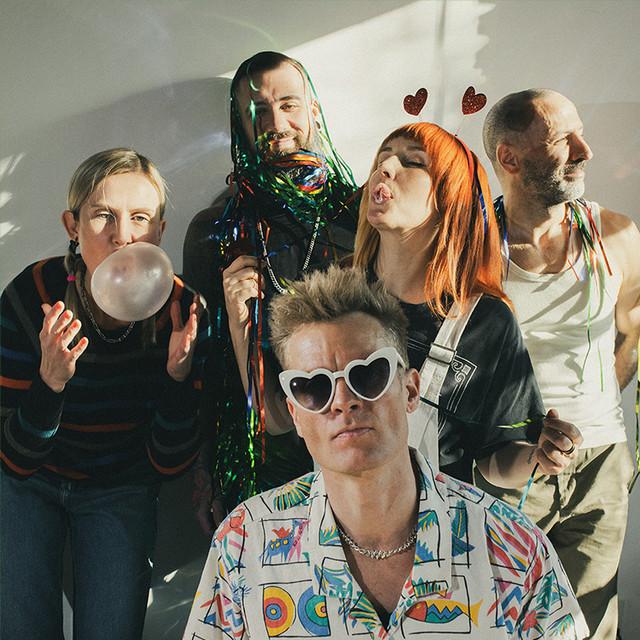
The Taxpayers’ Spotify BioThe Taxpayers, a long-running experimental, genre-bending DIY punk band that started in Portland, Oregon in 2007, are back.
After a several year hiatus, they've been selling out shows across the US, headlining festivals in Australia, seeing long-term critical acclaim for their albums (Including 2012’s concept album God, Forgive These Bastards) and are now set to release their first full-length album in 8 years, titled “Circle Breaker”.
“Think of how much the world has changed since we released our last album (2016’s Big Delusion Factory),” says Rob Taxpayer. “It seemed appropriate to do something completely different.”
“Circle Breaker” moves from the quasi-religious vocal harmonies of “Circle Protector” to the electro-funk of the furious “Evil Everywhere”. There’s chaotic punk (“I Am One Thousand”, “Nightmarish Population”), stripped back heartbreak (“Nobody is a Lost Cause”, “Empty Shed”), and genre spanning epics (“At War With the Dogcatchers”, “Everything Will Be Different”). Perhaps… most surprising of all are the songs of love and hope (“Naked Trees”, “Future Island”, “Outline of Your Blood”).
“These are songs about circles, and they're the most personal songs we've ever shared,” says Rob. “The amount of death and birth we experienced prior to and during the making of this album - the violent deaths of friends and family members, the births of our children…it's been a journey for us.”
Viberate is a music analytics platform built for A&Rs, artist managers, labels, booking agents, marketers, and artists.
It helps music professionals track artist growth, analyze audience data, monitor playlist activity, compare artists, follow song performance, and identify opportunities across the music market.
Public artist pages provide a free preview of selected artist data. Paid plans provide access to deeper analytics, historical data, charts, comparisons, playlist tools, exports, alerts, reports, and additional professional features.
Yes. Public Viberate artist pages provide selected artist analytics and music data for free.
Viberate also offers a 7-day free trial of the full platform. A credit card is required to start the trial. The trial includes access to the complete product so users can test deeper artist analytics, historical views, playlist insights, comparisons, charts, exports, alerts, and reporting features before choosing a paid plan.
Viberate provides artist analytics across streaming, playlists, social media, video, radio airplay, songs, and audience markets.
Users can analyze Spotify performance, Spotify and Apple Music playlists, YouTube activity, TikTok and Instagram growth, radio spins, song performance, audience locations, demographics, rankings, and overall artist momentum.
Artist profiles also connect to music charts, similar artists, and comparison tools, helping users benchmark performance and evaluate artists in context.
Viberate updates key artist and track data daily.
For followed artists and tracks, selected data is refreshed multiple times per day. This helps teams monitor playlist changes, streaming movement, audience growth, releases, and campaign performance with more current data.
Update frequency can vary depending on the metric and data source.
Yes. Viberate lets users compare up to five artists side by side across streaming, social media, audience, and engagement metrics.
Users can compare fanbase growth, audience demographics, locations, Spotify performance, social metrics, and other artist data over selected time periods.
Artist comparison can be used for A&R scouting, benchmarking, booking decisions, campaign planning, and evaluating artists with similar audiences or market positions.