The Dresden Dolls

Rock
Alternative Rock
Indie Rock
 Viberate Rank: 17129
 Viberate Rank: 17129
 Monthly ListenersFollowers
 Subscribers
 Followers
 Followers
 FansTop Spotify Songs
| Track | 7-Day Streams | |
|---|---|---|
1 | 1.38M | |
2 | 200.83K | |
3 | 94.72K | |
4 | 91.54K | |
5 | 73.76K |
Top YouTube Videos| Video | 7-Day Views | |
|---|---|---|
1 | 6.38K | |
2 | 5.47K | |
3 | 3.71K | |
4 | 658 | |
5 | 650 |
Monthly ListenersFeatured in Playlists| Playlist | Followers | |
|---|---|---|
1 |  gut wrenching feelings lys | 334.17K |
2 |  Witchy Songs 🔮🌙 Sarah | 97.70K |
3 |  Millennial Life Crisis Mike Price | 67.36K |
4 |  actual female rage 🪓 ž🕷️ | 62.71K |
5 | duvet vibes jie 🎧✮ | 54.83K |
Audience| City | Monthly Listeners | |
|---|---|---|
1 |  | 21.12K |
2 | | 20.52K |
3 | | 19.05K |
4 | | 17.11K |
5 |  | 17.00K |
See full performance history, audience data, playlist activity, rankings, comparisons, and more in Viberate music analytics. Start with a free trial, then continue with a paid plan.
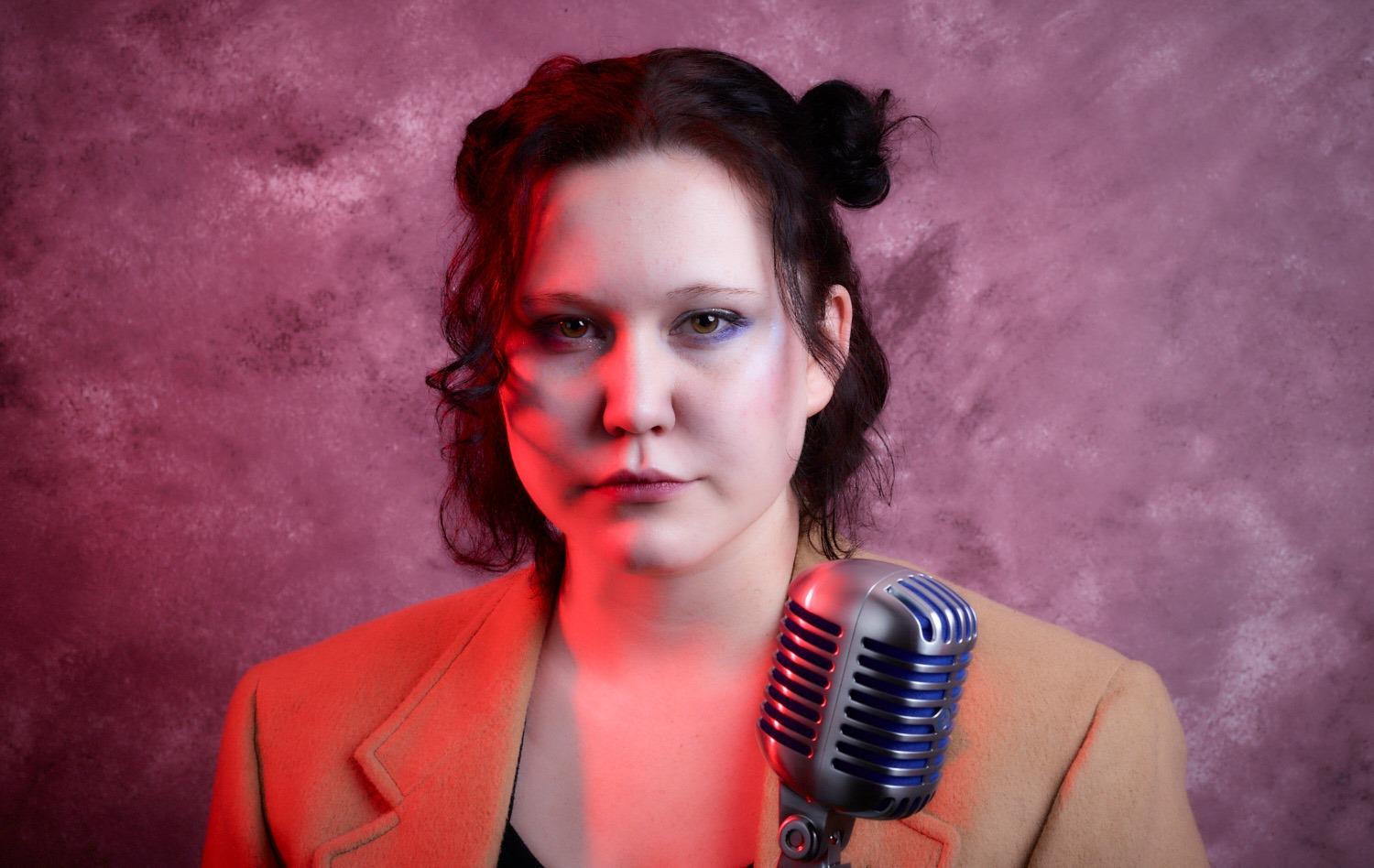
The Dresden Dolls’ Spotify BioA variety of noteworthy groups were active on the Boston music scene in the late '90s and early 2000s -- groups ranging from retro-soul/funk band Superhoney to the quirky, '80s-minded synth pop/new wave trio Freezepop to the hard-to-categorize Moonraker (who have since moved to New York City). But the most unique and intriguing group to come out of Boston during that period may very well have been the Dresden Dolls, a highly unorthodox duo consisting of lead singer/pianist Amanda Palmer (who handles the songwriting) and drummer Brian Viglione. Formed in 2001, the Dresden Dolls have favored a most unlikely blend of alternative pop/rock, riot grrrl catharsis, and German cabaret -- especially the German cabaret that flourished when the Weimar Republic was in power in Germany in the '20s and very early '30s (before Adolf Hitler and his Nazi regime came to power).
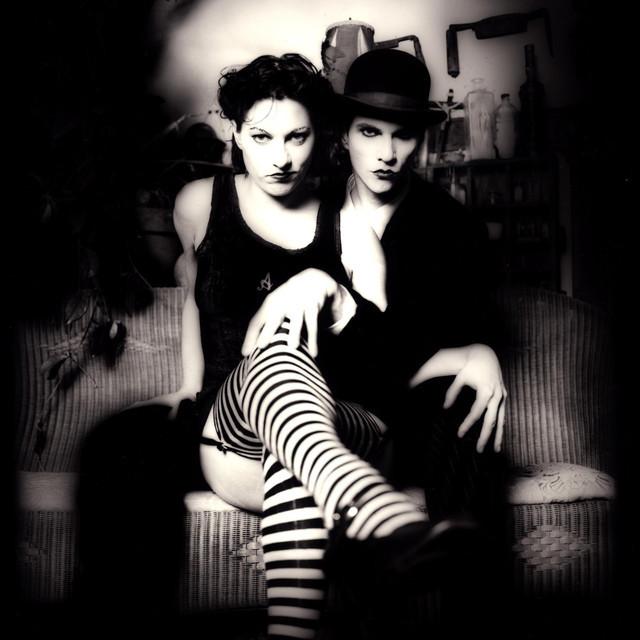
The name Dresden Dolls was, in part, inspired by a song from British punk band the Fall, but it also acknowledges Palmer and… Viglione's German influences; Dresden, after all, is a German city that was bombed extensively during World War II. However, Palmer doesn't sing or write in German; all of her vocals and lyrics are in English. But even so, the Dresden Dolls' Weimar-era influences are impossible to miss -- not only because of their music, but also, because of their physical appearance. When Palmer and Viglione (whose colorful live shows helped them acquire a small but enthusiastic cult following in and around Boston in the early 2000s) perform together as the Dresden Dolls, their clothes and makeup provide a look that is half goth and half Weimar-style burlesque -- a look that successfully unites the cultures of different countries and different eras.
Like their attire, the Dresden Dolls' clever, darkly theatrical music draws on an unusual variety of influences. Marlene Dietrich and Kurt Weill have influenced the Dresden Dolls, but so have alternative rockers ranging from Tori Amos to PJ Harvey to the controversial Hole founder turned solo artist Courtney Love. And just as the New York City-based, London-born singer/songwriter Nellie McKay has no problem reminding listeners of Doris Day one minute and Alanis Morissette or Randy Newman the next, the Dresden Dolls know how to make their combination of influences from different periods sound perfectly natural and organic rather than forced, pretentious, or contrived.
In 2003, the Dresden Dolls' A Is for Accident (a collection of live recordings) was released on the Important label; that CD was followed by their first full-length studio album, a self-titled disc that came out on 8ft. Records in 2004. The next year, the tour/video compilation Paradise was released, and Yes, Virginia..., the band's second album, arrived in 2006. The similarly titled No, Virginia... followed two years later, collecting the duo's B-sides and outtakes and pairing them with five new songs. ~ Alex Henderson, Rovi
Viberate is a music analytics platform built for A&Rs, artist managers, labels, booking agents, marketers, and artists.
It helps music professionals track artist growth, analyze audience data, monitor playlist activity, compare artists, follow song performance, and identify opportunities across the music market.
Public artist pages provide a free preview of selected artist data. Paid plans provide access to deeper analytics, historical data, charts, comparisons, playlist tools, exports, alerts, reports, and additional professional features.
Yes. Public Viberate artist pages provide selected artist analytics and music data for free.
Viberate also offers a 7-day free trial of the full platform. A credit card is required to start the trial. The trial includes access to the complete product so users can test deeper artist analytics, historical views, playlist insights, comparisons, charts, exports, alerts, and reporting features before choosing a paid plan.
Viberate provides artist analytics across streaming, playlists, social media, video, radio airplay, songs, and audience markets.
Users can analyze Spotify performance, Spotify and Apple Music playlists, YouTube activity, TikTok and Instagram growth, radio spins, song performance, audience locations, demographics, rankings, and overall artist momentum.
Artist profiles also connect to music charts, similar artists, and comparison tools, helping users benchmark performance and evaluate artists in context.
Viberate updates key artist and track data daily.
For followed artists and tracks, selected data is refreshed multiple times per day. This helps teams monitor playlist changes, streaming movement, audience growth, releases, and campaign performance with more current data.
Update frequency can vary depending on the metric and data source.
Yes. Viberate lets users compare up to five artists side by side across streaming, social media, audience, and engagement metrics.
Users can compare fanbase growth, audience demographics, locations, Spotify performance, social metrics, and other artist data over selected time periods.
Artist comparison can be used for A&R scouting, benchmarking, booking decisions, campaign planning, and evaluating artists with similar audiences or market positions.