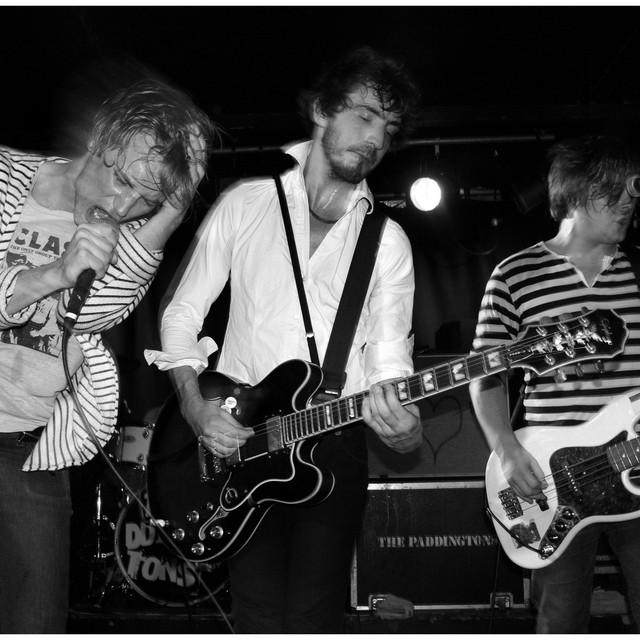
The Sunshine Underground

Rock
Indie Rock
Dance
 Viberate Rank: 127765
 Viberate Rank: 127765
 Monthly ListenersFollowers
 Subscribers
 Followers
 Followers
 FansTop Spotify Songs
| Track | 7-Day Streams | |
|---|---|---|
1 | 11.04K | |
2 | 5.59K | |
3 | 4.58K | |
4 | 1.54K | |
5 | 1.02K |
Top YouTube VideosMonthly ListenersFeatured in Playlists| Playlist | Followers | |
|---|---|---|
1 |  The OC Soundtrack [All Seasons Playlist] Solitude Collective | 138.10K |
2 |  The OC Jamie Barmakian | 39.82K |
3 |  BEST ENGLISH SONGS TOPS (BEST) Antonini Cen Wu | 20.34K |
4 | Indie Collection Sandra W. | 19.42K |
5 |  Indie Heroes | Feel Good Anthems Topsify UK | 16.83K |
Audience| City | Monthly Listeners | |
|---|---|---|
1 | | 2.54K |
2 |  | 2.03K |
3 | | 1.95K |
4 | | 833 |
5 | | 735 |
See full performance history, audience data, playlist activity, rankings, comparisons, and more in Viberate music analytics. Start with a free trial, then continue with a paid plan.
The Sunshine Underground’s Spotify BioArmed with an angular, beat-heavy sound similar to that of Franz Ferdinand or Kaiser Chiefs, the Sunshine Underground got their start playing gigs in the Leeds area in the early 2000s. They all went to high school in Shropshire, a county in southwestern England near the Welsh border. Craig Wellington was going to school in Shrewsbury and Stuart Jones, Daley Smith, and Matt Gwilt went to school in Telford. Eventually, Matt Gwilt was accepted to go to Leeds college of music and the boys collectively moved there to join him in the city. They formed The Sunshine Underground soon after they got to Leeds, naming their band after a The Chemical Brothers track.
It was during this time that the band established important contacts in the music industry, eventually hooking up with ¡Forward Russia!'s "scene fixer," who promoted some of the Sunshine Underground's first shows. They captured the attention of audiences all over Britain when in 2005 the band won a popular BBC-1 battle of the bands… competition called Fresh Meat. The band's debut single, "Put You in Your Place," was released on the City Rockers label in July of that year. They released another single in 2006, "Commercial Breakdown," and released their first full-length album, Raise the Alarm, on the same label a few months later. In August of that year, the band's single "Put You in Your Place" made it to number 39 in the Top 40.
Follow and listen to Matt Gwilt with his Debut Album ‘A Front for Something’
Viberate is a music analytics platform built for A&Rs, artist managers, labels, booking agents, marketers, and artists.
It helps music professionals track artist growth, analyze audience data, monitor playlist activity, compare artists, follow song performance, and identify opportunities across the music market.
Public artist pages provide a free preview of selected artist data. Paid plans provide access to deeper analytics, historical data, charts, comparisons, playlist tools, exports, alerts, reports, and additional professional features.
Yes. Public Viberate artist pages provide selected artist analytics and music data for free.
Viberate also offers a 7-day free trial of the full platform. A credit card is required to start the trial. The trial includes access to the complete product so users can test deeper artist analytics, historical views, playlist insights, comparisons, charts, exports, alerts, and reporting features before choosing a paid plan.
Viberate provides artist analytics across streaming, playlists, social media, video, radio airplay, songs, and audience markets.
Users can analyze Spotify performance, Spotify and Apple Music playlists, YouTube activity, TikTok and Instagram growth, radio spins, song performance, audience locations, demographics, rankings, and overall artist momentum.
Artist profiles also connect to music charts, similar artists, and comparison tools, helping users benchmark performance and evaluate artists in context.
Viberate updates key artist and track data daily.
For followed artists and tracks, selected data is refreshed multiple times per day. This helps teams monitor playlist changes, streaming movement, audience growth, releases, and campaign performance with more current data.
Update frequency can vary depending on the metric and data source.
Yes. Viberate lets users compare up to five artists side by side across streaming, social media, audience, and engagement metrics.
Users can compare fanbase growth, audience demographics, locations, Spotify performance, social metrics, and other artist data over selected time periods.
Artist comparison can be used for A&R scouting, benchmarking, booking decisions, campaign planning, and evaluating artists with similar audiences or market positions.