The Paddingtons

Rock
Indie Rock
Alternative Rock
 Viberate Rank: 241634
 Viberate Rank: 241634
 Monthly ListenersFollowers
 Subscribers
 Followers
 Followers
 FansTop Spotify Songs
| Track | 7-Day Streams | |
|---|---|---|
1 | 1.11K | |
2 | 322 | |
3 | 318 | |
4 | 209 | |
5 | 198 |
Top YouTube VideosMonthly ListenersFeatured in Playlists| Playlist | Followers | |
|---|---|---|
1 | Echo And The Bunnymen - The Killing Moon coulsonl44 | 10.72K |
2 | Indie 2000 - 2010 David Jacoinde | 7.54K |
3 |  The Landfill Indie Top 50 VICE UK | 6.44K |
4 | 00's Indie aet1122 | 5.49K |
5 | Post Punk & Garage Rock Revival Ernesto | 3.53K |
Audience| City | Monthly Listeners | |
|---|---|---|
1 | | 289 |
2 |  | 255 |
3 | | 211 |
4 | | 89 |
5 | | 70 |
See full performance history, audience data, playlist activity, rankings, comparisons, and more in Viberate music analytics. Start with a free trial, then continue with a paid plan.
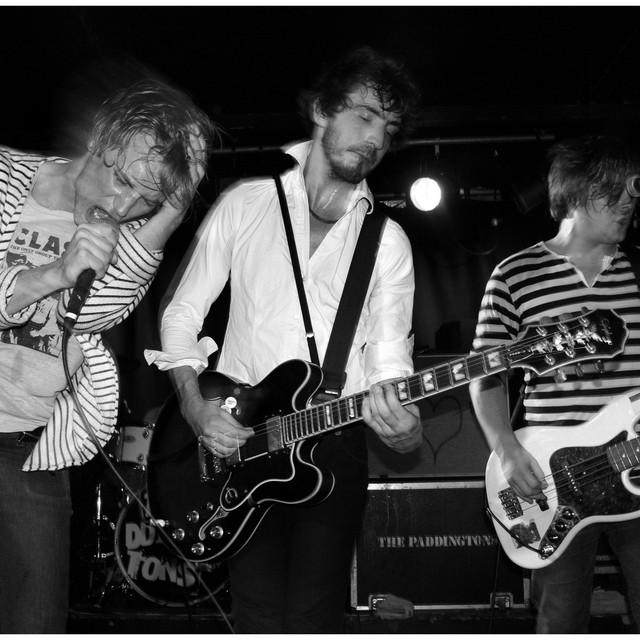
The Paddingtons’ Spotify BioUK nu punk band the Paddingtons was formed in Hull, Humberside, not Whitechapel in east London, which is a popular misconception. The band comprises Tom Atkin (vocals), Marv Hines (guitar), Josh Hubbard (guitar), Lloyd Dobbs (bass) and Grant Hobbs (drums), who met while at school in Hull. The nucleus of the band was already playing together in a Beatles cover group when they discovered the rasping Johnny Rotten-style singer Tom Atkin, throwing their music in a totally new direction. Many hours were spent in various halls around Hull perfecting their upfront, in your face punk music, owing a heavy debt to the Clash and the Sex Pistols. They stuck with the name the Paddingtons when two band members took to wearing hooded coats that made them look like perennial children’s favourite Paddington Bear. The band got their first gig in east London through the auspices of Libertines’ cohort Scarborough Steve, but the local police swiftly stopped the gig, at a grimy venue full of Portuguese… punks. Their short appearance made heavy ripples in the music pond, resulting in famed UK music mogul Alan McGee signing them to his Poptones label. The band then went on a tour of the more salubrious venues in the UK with fellow newcomers Thee Unstrung and spent some of 2005 supporting Babyshambles on tour. At the end of 2005 the Paddingtons released their debut First Comes First. Oasis collaborator Owen Morris produced the album, which was greeted by strong reviews in the UK music press.
Viberate is a music analytics platform built for A&Rs, artist managers, labels, booking agents, marketers, and artists.
It helps music professionals track artist growth, analyze audience data, monitor playlist activity, compare artists, follow song performance, and identify opportunities across the music market.
Public artist pages provide a free preview of selected artist data. Paid plans provide access to deeper analytics, historical data, charts, comparisons, playlist tools, exports, alerts, reports, and additional professional features.
Yes. Public Viberate artist pages provide selected artist analytics and music data for free.
Viberate also offers a 7-day free trial of the full platform. A credit card is required to start the trial. The trial includes access to the complete product so users can test deeper artist analytics, historical views, playlist insights, comparisons, charts, exports, alerts, and reporting features before choosing a paid plan.
Viberate provides artist analytics across streaming, playlists, social media, video, radio airplay, songs, and audience markets.
Users can analyze Spotify performance, Spotify and Apple Music playlists, YouTube activity, TikTok and Instagram growth, radio spins, song performance, audience locations, demographics, rankings, and overall artist momentum.
Artist profiles also connect to music charts, similar artists, and comparison tools, helping users benchmark performance and evaluate artists in context.
Viberate updates key artist and track data daily.
For followed artists and tracks, selected data is refreshed multiple times per day. This helps teams monitor playlist changes, streaming movement, audience growth, releases, and campaign performance with more current data.
Update frequency can vary depending on the metric and data source.
Yes. Viberate lets users compare up to five artists side by side across streaming, social media, audience, and engagement metrics.
Users can compare fanbase growth, audience demographics, locations, Spotify performance, social metrics, and other artist data over selected time periods.
Artist comparison can be used for A&R scouting, benchmarking, booking decisions, campaign planning, and evaluating artists with similar audiences or market positions.