The Soft Boys

Rock
Indie Rock
 Viberate Rank: 141537
 Viberate Rank: 141537
 Monthly ListenersFollowers
 Subscribers
 Followers
 Followers
 FansTop Spotify Songs
| Track | 7-Day Streams | |
|---|---|---|
1 | 3.95K | |
2 | 2.02K | |
3 | 1.33K | |
4 | 1.10K | |
5 | 1.10K |
Top YouTube VideosMonthly ListenersFeatured in Playlists| Playlist | Followers | |
|---|---|---|
1 |  Punk Classics Filtr Legacy Sweden | 73.29K |
2 | wicks Brennan McDowell | 43.73K |
3 |  boygenius: Blueprint Spotify | 40.72K |
4 | 80's New Wave Pascal Amiaud | 31.89K |
5 | Unofficial Reverb Radio Jeff Ferruzzo | 21.82K |
Audience| City | Monthly Listeners | |
|---|---|---|
1 |  | 524 |
2 | | 458 |
3 | | 457 |
4 | | 402 |
5 | | 387 |
See full performance history, audience data, playlist activity, rankings, comparisons, and more in Viberate music analytics. Start with a free trial, then continue with a paid plan.
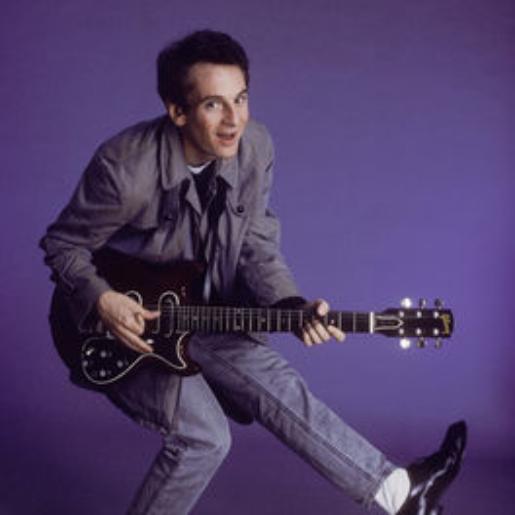
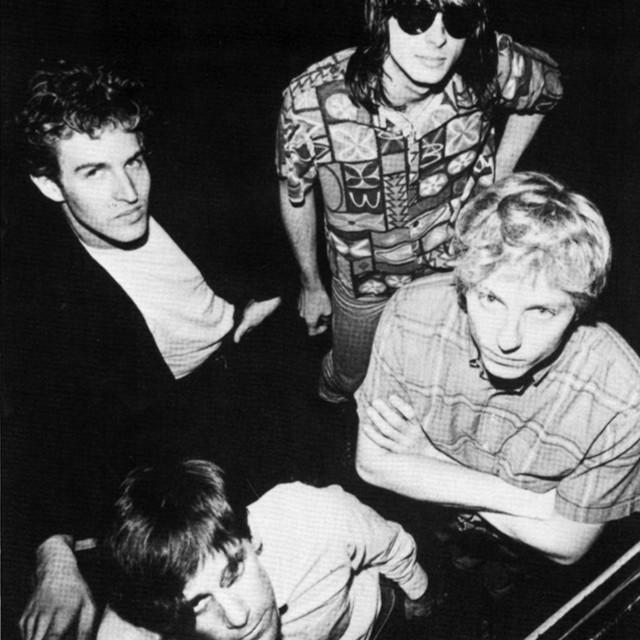
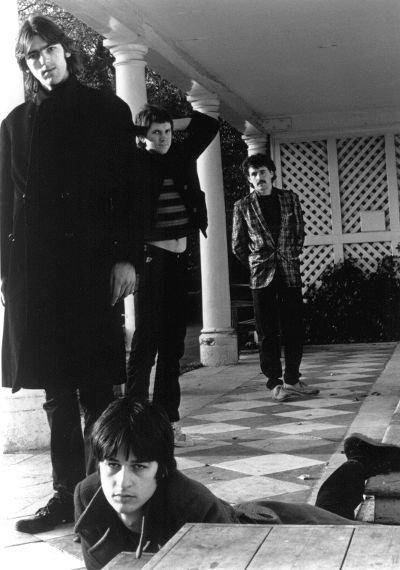
The Soft Boys’ Spotify BioThe Soft Boys have turned out to be one of the most influential bands in shaping contemporary alternative music, though few are completely familiar with the quirky group's legacy. Formed in Cambridge, England in 1976 on the heels of the punk revolution, the Soft Boys eschewed the three-chord nihilism of punk and opted for a crude version of psychedelic/folk-rock that was well on its way out of fashion, but oddly, just on the cusp of a resurgence.
Robyn Hitchcock recruited Cambridge musicians Morris Windsor on drums, Andy Metcalfe on bass, and guitarist Alan Davies, and recorded Give It to the Soft Boys in Hitchcock's living room in 1976. Davies was soon replaced by guitarist Kimberley Rew. The band released a single, "(I Want to Be An) Anglepoise Lamp," followed by the Can of Bees album in 1979.
While recording the follow-up, Metcalfe left the band and was replaced by Matthew Seligman. The new lineup started fresh and recorded Underwater Moonlight, the album that found them trading… psychedelic jams for a more straight-ahead jangle pop-guitar rock sound. The LP has become extremely influential in the guitar rock canon; the Replacements, R.E.M., and the L.A. Paisley Underground scene all claimed it as a prime influence. The album launched a thousand bands, but it turned out to be the Soft Boys' swan song. Two more recordings were released posthumously: the 2 Halfs for the Price of One EP in 1981, and some early sessions compiled on Invisible Hits in 1983. The first EP was re-released in 1984 as Wading Through a Ventilator.
Windsor and Metcalfe began to collaborate with Hitchcock again in 1984 as the Egyptians, while Seligman became an in-demand session musician and Rew went on to form Katrina & the Waves. Hitchcock has had a prolific post-Soft Boys recording career, sticking to the unusual style he's forged and finessed since 1976, with many albums to his credit. Matthew Seligman died on April 17, 2020 due to complications from the COVID-19 virus; he was 64 years old. ~ Denise Sullivan, Rovi
Viberate is a music analytics platform built for A&Rs, artist managers, labels, booking agents, marketers, and artists.
It helps music professionals track artist growth, analyze audience data, monitor playlist activity, compare artists, follow song performance, and identify opportunities across the music market.
Public artist pages provide a free preview of selected artist data. Paid plans provide access to deeper analytics, historical data, charts, comparisons, playlist tools, exports, alerts, reports, and additional professional features.
Yes. Public Viberate artist pages provide selected artist analytics and music data for free.
Viberate also offers a 7-day free trial of the full platform. A credit card is required to start the trial. The trial includes access to the complete product so users can test deeper artist analytics, historical views, playlist insights, comparisons, charts, exports, alerts, and reporting features before choosing a paid plan.
Viberate provides artist analytics across streaming, playlists, social media, video, radio airplay, songs, and audience markets.
Users can analyze Spotify performance, Spotify and Apple Music playlists, YouTube activity, TikTok and Instagram growth, radio spins, song performance, audience locations, demographics, rankings, and overall artist momentum.
Artist profiles also connect to music charts, similar artists, and comparison tools, helping users benchmark performance and evaluate artists in context.
Viberate updates key artist and track data daily.
For followed artists and tracks, selected data is refreshed multiple times per day. This helps teams monitor playlist changes, streaming movement, audience growth, releases, and campaign performance with more current data.
Update frequency can vary depending on the metric and data source.
Yes. Viberate lets users compare up to five artists side by side across streaming, social media, audience, and engagement metrics.
Users can compare fanbase growth, audience demographics, locations, Spotify performance, social metrics, and other artist data over selected time periods.
Artist comparison can be used for A&R scouting, benchmarking, booking decisions, campaign planning, and evaluating artists with similar audiences or market positions.