The Slits

Punk
Punk Rock
Post Punk
Dub
 Viberate Rank: 73354
 Viberate Rank: 73354
 Monthly ListenersFollowers
 Subscribers
 Followers
 Followers
 FansTop Spotify Songs
| Track | 7-Day Streams | |
|---|---|---|
1 | 37.87K | |
2 | 20.25K | |
3 | 4.04K | |
4 | 2.92K | |
5 | 2.29K |
Top YouTube VideosMonthly ListenersFeatured in Playlists| Playlist | Followers | |
|---|---|---|
1 |  Classic Punk Spotify | 1.60M |
2 |  Alternative 70s Spotify | 451.35K |
3 |  Riot Grrrl Spotify | 215.67K |
4 | While You Work (@whileyouwork) Eli Feghali | 81.75K |
5 |  Punk Classics Filtr Legacy Sweden | 73.27K |
Audience| City | Monthly Listeners | |
|---|---|---|
1 | | 4.49K |
2 |  | 2.50K |
3 | | 2.21K |
4 |  | 2.01K |
5 |  | 1.83K |
See full performance history, audience data, playlist activity, rankings, comparisons, and more in Viberate music analytics. Start with a free trial, then continue with a paid plan.
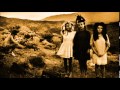
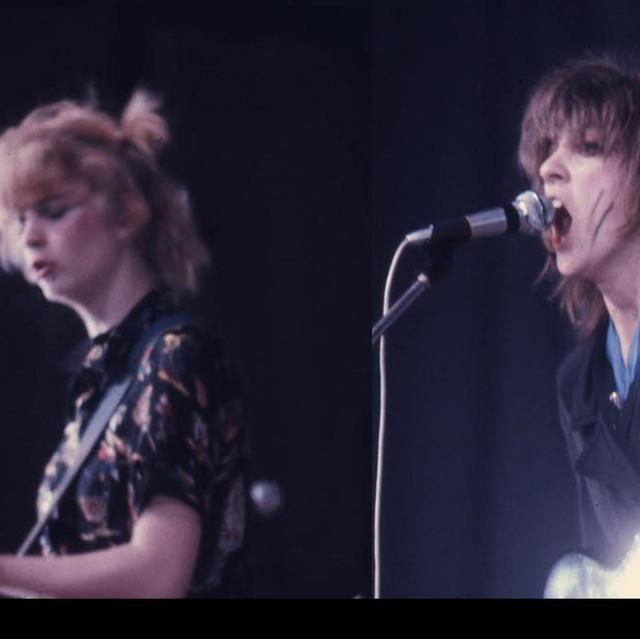
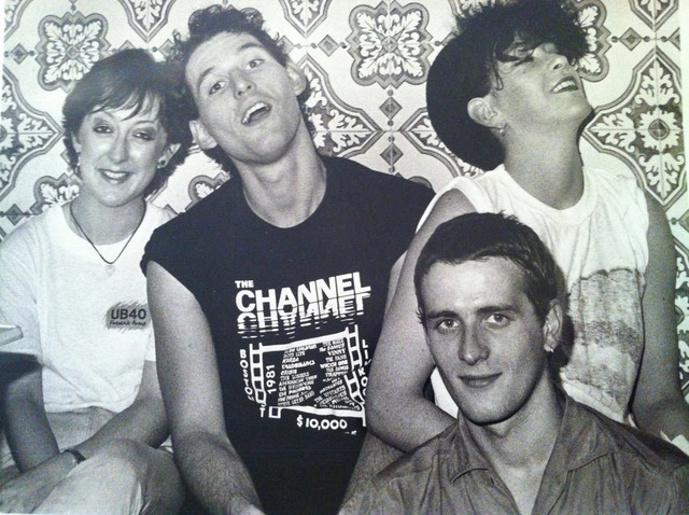
The Slits’ Spotify BioAlong with the Raincoats and Liliput, the Slits are one of the most significant female punk rock bands of the late '70s. Not only did they bravely (or foolishly, you be the judge) leap into the fray with little, if any, musical ability (on their debut tour with the Clash, Mick Jones used to tune their guitars for them), but through sheer emotion and desire created some great music. This was especially true when they worked with veteran reggae producer Dennis Bovell, setting the stage for a future generation of riot grrrls. Though much derided in their short existence, what the Slits achieved and what they meant to succeeding generations of young female rockers cannot be underestimated.
The Slits formed in 1976 when 14-year-old Ari Up (sometimes Air Upp) ran into her friend Palmolive at a Patti Smith gig in London. The latter suggested the former consider becoming the lead singer for a new all-girl punk band. Up agreed on the spot, and the Slits, with borrowed equipment and knowledge of… two, maybe three chords, were a reality. They made some crude recordings (so crude that they make early Mekons recordings sound like 64-track by comparison) that were never widely circulated, and it wasn't until they nabbed the opening spot on the Clash's White Riot tour of England in 1977 that the Slits became a part of the punk pantheon.
Despite this sudden notoriety, little was recorded by the Slits in the early days, save for a couple of sessions of John Peel's BBC radio show. These recordings place the Slits firmly in the punk rock aesthetic of blaring guitars and braying vocals. But it's not generic-sounding rant: Up's voice bounces along, alternately hiccuping and bellowing to the stiff rhythms; the songs are meditations on alienation, but have a satiric, tongue-in-cheek quality instead of strident preachiness.
It wasn't until 1979 that the Slits made their first proper record under the watchful, supportive eyes and ears of reggae vet Dennis Bovell. By the time Cut was released, the raging guitars were replaced by subtle reggae riddims, the band was now a trio (Palmolive had been replaced by new drummer Budgie, soon to join Siouxsie and the Banshees), and there was a stylistic suppleness that the Slits had heretofore never displayed. Up's voice still warbled uncertain of the key, but for a band that had been playing its instruments for a little more than two years, this is a remarkably confident record.
It was two years before a second album was released (Return of the Giant Slits), which was denser, darker, and full of surprises. But the Slits, due primarily to their interest in incorporating other forms of ethnic music into their mix, were leaping beyond what was commonly accepted as punk rock and, as a result, were no longer seen as a punk band. This probably didn't distress them in the least, as they were more interested in expanding the barriers of punk rock rather than simply adhering to "rules" that claimed all punk bands must bash out simplistic guitar rant.
By the close of 1981, Up was singing in Adrian Sherwood's dub/funk aggregation the New Age Steppers, and the Slits had become both legendary and somewhat notorious. After releasing a solo album -- Dread More Dan Dead -- in 2005, Up revived the Slits with Tessa Pollitt and new members and began gigging. The group released a three-song EP, Revenge of the Killer Slits, in 2006. The first new full-length Slits album in 28 years, Trapped Animal, appeared in 2009. ~ John Dougan, Rovi
Viberate is a music analytics platform built for A&Rs, artist managers, labels, booking agents, marketers, and artists.
It helps music professionals track artist growth, analyze audience data, monitor playlist activity, compare artists, follow song performance, and identify opportunities across the music market.
Public artist pages provide a free preview of selected artist data. Paid plans provide access to deeper analytics, historical data, charts, comparisons, playlist tools, exports, alerts, reports, and additional professional features.
Yes. Public Viberate artist pages provide selected artist analytics and music data for free.
Viberate also offers a 7-day free trial of the full platform. A credit card is required to start the trial. The trial includes access to the complete product so users can test deeper artist analytics, historical views, playlist insights, comparisons, charts, exports, alerts, and reporting features before choosing a paid plan.
Viberate provides artist analytics across streaming, playlists, social media, video, radio airplay, songs, and audience markets.
Users can analyze Spotify performance, Spotify and Apple Music playlists, YouTube activity, TikTok and Instagram growth, radio spins, song performance, audience locations, demographics, rankings, and overall artist momentum.
Artist profiles also connect to music charts, similar artists, and comparison tools, helping users benchmark performance and evaluate artists in context.
Viberate updates key artist and track data daily.
For followed artists and tracks, selected data is refreshed multiple times per day. This helps teams monitor playlist changes, streaming movement, audience growth, releases, and campaign performance with more current data.
Update frequency can vary depending on the metric and data source.
Yes. Viberate lets users compare up to five artists side by side across streaming, social media, audience, and engagement metrics.
Users can compare fanbase growth, audience demographics, locations, Spotify performance, social metrics, and other artist data over selected time periods.
Artist comparison can be used for A&R scouting, benchmarking, booking decisions, campaign planning, and evaluating artists with similar audiences or market positions.