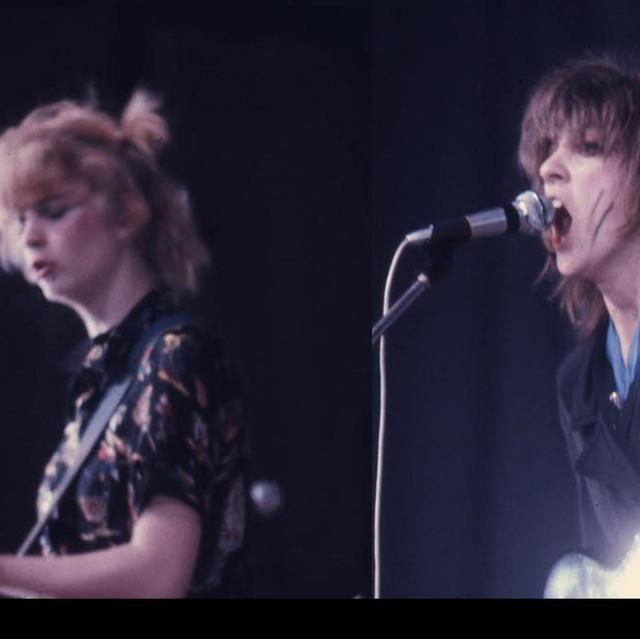
Delta 5

Rock
Indie Rock
Post Punk
Alternative Rock
 Viberate Rank: 142458
 Viberate Rank: 142458
 Monthly ListenersFollowers
 Subscribers
 Followers
 Followers
 FansTop Spotify Songs
| Track | 7-Day Streams | |
|---|---|---|
1 | 20.95K | |
2 | 4.76K | |
3 | 3.78K | |
4 | 905 | |
5 | 599 |
Top YouTube VideosMonthly ListenersFeatured in Playlists| Playlist | Followers | |
|---|---|---|
1 |  Alternative 70s Spotify | 451.35K |
2 |  Blonded Frank Ocean | 307.39K |
3 |  Riot Grrrl Spotify | 215.67K |
4 |  Sex Education Official Playlist Spotify | 137.75K |
5 | Sex Education Soundtrack Netflix Season 1 & 2 f_carloto | 98.58K |
Audience| City | Monthly Listeners | |
|---|---|---|
1 |  | 1.96K |
2 |  | 1.44K |
3 | | 1.33K |
4 | | 1.09K |
5 | | 903 |
See full performance history, audience data, playlist activity, rankings, comparisons, and more in Viberate music analytics. Start with a free trial, then continue with a paid plan.
Delta 5’s Spotify BioInitially inspired by the success of local heroes the Mekons and Gang of Four, Leeds, England's Delta 5 later emerged as one of the key figures of the feminist new wave. Formed in 1979 by vocalist/guitarist Julz Sale, fretless bassist Ros Allen, and bassist Bethan Peters, the group was begun on a lark, but following the additions of guitarist Alan Riggs and drummer Kelvin Knight, Delta 5 issued their debut single, "Mind Your Own Business," and found themselves thrust to the forefront of the Leeds post-punk community.
Frequently linked to Gang of Four -- in addition to a similarly abrasive funk sound, Delta 5 was also at the vanguard of the Rock Against Racism movement, and Knight even once sat in for Gang drummer Hugo Burnham -- the group's role as political leaders increased in the wake of a notorious street attack on its members by right-wing thugs, culminating in the rise of the Rock Against Communism groundswell. Their unique two-bass rhythm section set them clearly apart from their… peers, and with the success of their second single, "You," they mounted a successful U.S. tour.
Upon leaving Rough Trade to sign with the Charisma subsidiary Pre, in 1981 Delta 5 issued their debut LP, See the Whirl. Despite the inclusion of some of their early single sides, much of the record fell prey to over-production, and was a critical and commercial failure. The group split shortly after its release. Much of the group's output remained hard to come by until the Singles & Sessions compilation was released by Kill Rock Stars in 2006. Founding member Julz Sale died on September 20, 2021. ~ Jason Ankeny, Rovi
Viberate is a music analytics platform built for A&Rs, artist managers, labels, booking agents, marketers, and artists.
It helps music professionals track artist growth, analyze audience data, monitor playlist activity, compare artists, follow song performance, and identify opportunities across the music market.
Public artist pages provide a free preview of selected artist data. Paid plans provide access to deeper analytics, historical data, charts, comparisons, playlist tools, exports, alerts, reports, and additional professional features.
Yes. Public Viberate artist pages provide selected artist analytics and music data for free.
Viberate also offers a 7-day free trial of the full platform. A credit card is required to start the trial. The trial includes access to the complete product so users can test deeper artist analytics, historical views, playlist insights, comparisons, charts, exports, alerts, and reporting features before choosing a paid plan.
Viberate provides artist analytics across streaming, playlists, social media, video, radio airplay, songs, and audience markets.
Users can analyze Spotify performance, Spotify and Apple Music playlists, YouTube activity, TikTok and Instagram growth, radio spins, song performance, audience locations, demographics, rankings, and overall artist momentum.
Artist profiles also connect to music charts, similar artists, and comparison tools, helping users benchmark performance and evaluate artists in context.
Viberate updates key artist and track data daily.
For followed artists and tracks, selected data is refreshed multiple times per day. This helps teams monitor playlist changes, streaming movement, audience growth, releases, and campaign performance with more current data.
Update frequency can vary depending on the metric and data source.
Yes. Viberate lets users compare up to five artists side by side across streaming, social media, audience, and engagement metrics.
Users can compare fanbase growth, audience demographics, locations, Spotify performance, social metrics, and other artist data over selected time periods.
Artist comparison can be used for A&R scouting, benchmarking, booking decisions, campaign planning, and evaluating artists with similar audiences or market positions.