The Shamen

Electronic
Dance
House
 Viberate Rank: 57765
 Viberate Rank: 57765
 Monthly ListenersFollowers
 Subscribers
 Followers
 Followers
 FansTop Spotify Songs
| Track | 7-Day Streams | |
|---|---|---|
1 | 58.32K | |
2 | 28.69K | |
3 | 11.60K | |
4 | 8.37K | |
5 | 8.13K |
Top YouTube VideosMonthly ListenersFeatured in Playlists| Playlist | Followers | |
|---|---|---|
1 |  Rave Classics Spotify | 374.26K |
2 |  90s Rave Classics Tom Bantica | 153.04K |
3 |  Ministry of Sound's 90's Anthems Archduke of York | 112.49K |
4 |  Made in Scotland Spotify | 95.25K |
5 |  Ministry 90s/00s Ben Samuel | 67.83K |
Audience| City | Monthly Listeners | |
|---|---|---|
1 | | 19.63K |
2 | | 12.30K |
3 | | 6.91K |
4 | | 5.92K |
5 |  | 4.72K |
See full performance history, audience data, playlist activity, rankings, comparisons, and more in Viberate music analytics. Start with a free trial, then continue with a paid plan.
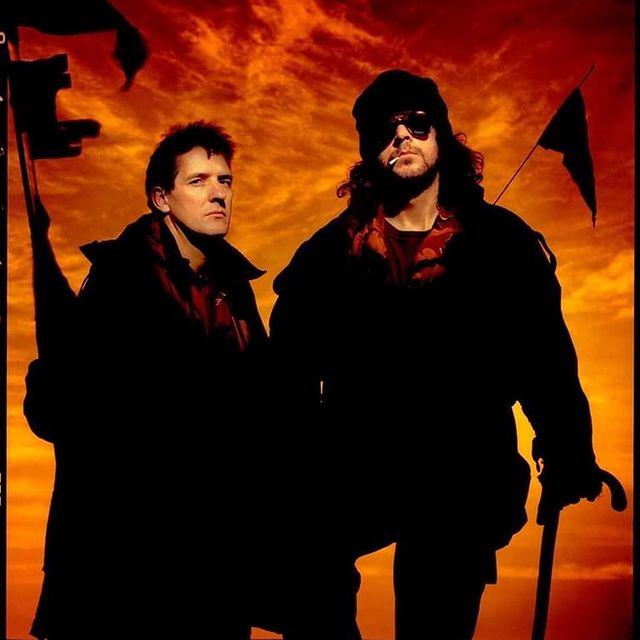
The Shamen’s Spotify BioCombining swirling psychedelic rock with hardcore hip-hop rhythms, the Shamen were one of the first alternative bands to appeal to dance clubs as much as indie rockers. Comprised of Colin Angus, Peter Stephenson, Keith McKenzie, and Derek McKenzie, the Scottish quartet had its roots in the early-'80s neo-psychedelic group Alone Again Or. The Shamen officially formed in 1986 and released their first album, Drop, the following year. Drop was filled with varying guitar textures, recalling many late-'60s rock groups. After the record's release, Angus immersed himself in the emerging acid house/hip-hop club scene, which prompted the departure of Derek McKenzie; he was replaced with William Sinnott, who helped reshape the band's sound into a dense, rhythmic pulse that relied heavily on samples, drum machines, and loud guitars. The band debuted their revamped sound in 1988 with a stage show that featured sexually explicit visuals along with impassioned political rhetoric. During 1988, Peter… Stephenson and Keith McKenzie departed, leaving Angus and Sinnott to perform as a duo.
With their 1989 album In Gorbachev We Trust, the Shamen expanded their following in Britain and began attracting American listeners. The duo continued to concentrate on dance music throughout 1989, adding rappers to their live shows. Just as the band was heading toward mainstream acceptance, Will Sinnott drowned off the coast of the Canary Islands on May 23, 1991. With the Sinnott family's encouragement, Angus continued the Shamen and the group did indeed begin to score hits, particularly in the U.K. where they amassed five Top 20 singles between 1991 and 1992; "Move Any Mountain (Progen 91)" managed to make it into the American Top 40 at the end of 1991, as well. However, the Shamen fell out of favor during 1993 and their 1994 album Different Drum failed to gain much of an audience. Nevertheless, the group continued to record, releasing Axis Mutatis in 1995, Hempton Manor in 1996, and UV in 1998. ~ Stephen Thomas Erlewine, Rovi
Viberate is a music analytics platform built for A&Rs, artist managers, labels, booking agents, marketers, and artists.
It helps music professionals track artist growth, analyze audience data, monitor playlist activity, compare artists, follow song performance, and identify opportunities across the music market.
Public artist pages provide a free preview of selected artist data. Paid plans provide access to deeper analytics, historical data, charts, comparisons, playlist tools, exports, alerts, reports, and additional professional features.
Yes. Public Viberate artist pages provide selected artist analytics and music data for free.
Viberate also offers a 7-day free trial of the full platform. A credit card is required to start the trial. The trial includes access to the complete product so users can test deeper artist analytics, historical views, playlist insights, comparisons, charts, exports, alerts, and reporting features before choosing a paid plan.
Viberate provides artist analytics across streaming, playlists, social media, video, radio airplay, songs, and audience markets.
Users can analyze Spotify performance, Spotify and Apple Music playlists, YouTube activity, TikTok and Instagram growth, radio spins, song performance, audience locations, demographics, rankings, and overall artist momentum.
Artist profiles also connect to music charts, similar artists, and comparison tools, helping users benchmark performance and evaluate artists in context.
Viberate updates key artist and track data daily.
For followed artists and tracks, selected data is refreshed multiple times per day. This helps teams monitor playlist changes, streaming movement, audience growth, releases, and campaign performance with more current data.
Update frequency can vary depending on the metric and data source.
Yes. Viberate lets users compare up to five artists side by side across streaming, social media, audience, and engagement metrics.
Users can compare fanbase growth, audience demographics, locations, Spotify performance, social metrics, and other artist data over selected time periods.
Artist comparison can be used for A&R scouting, benchmarking, booking decisions, campaign planning, and evaluating artists with similar audiences or market positions.