K-Klass

Electronic
House
 Viberate Rank: 65398
 Viberate Rank: 65398
 Monthly ListenersFollowers
 Subscribers
 Followers
 Followers
 FansTop Spotify Songs
| Track | 7-Day Streams | |
|---|---|---|
1 | 111.39K | |
2 | 58.27K | |
3 | 43.01K | |
4 | 22.54K | |
5 | 11.73K |
Top YouTube Videos| Video | 7-Day Views | |
|---|---|---|
1 | 5.69K | |
2 | 2.20K | |
3 | 1.31K | |
4 | 1.06K | |
5 | 610 |
Monthly ListenersFeatured in Playlists| Playlist | Followers | |
|---|---|---|
1 |  90's Workout Spotify | 644.98K |
2 |  90s House Classics Spotify | 618.90K |
3 |  90s Club Classic & Old Skool Dance Matt Johnson | 427.35K |
4 |  IBIZA CLASSICS 🍹1990-2026 Lounge & Restaurant | 220.32K |
5 |  90s Rave Classics Tom Bantica | 153.04K |
Audience| City | Monthly Listeners | |
|---|---|---|
1 | | 37.65K |
2 | | 25.23K |
3 | | 11.16K |
4 | | 9.18K |
5 |  | 6.43K |
See full performance history, audience data, playlist activity, rankings, comparisons, and more in Viberate music analytics. Start with a free trial, then continue with a paid plan.
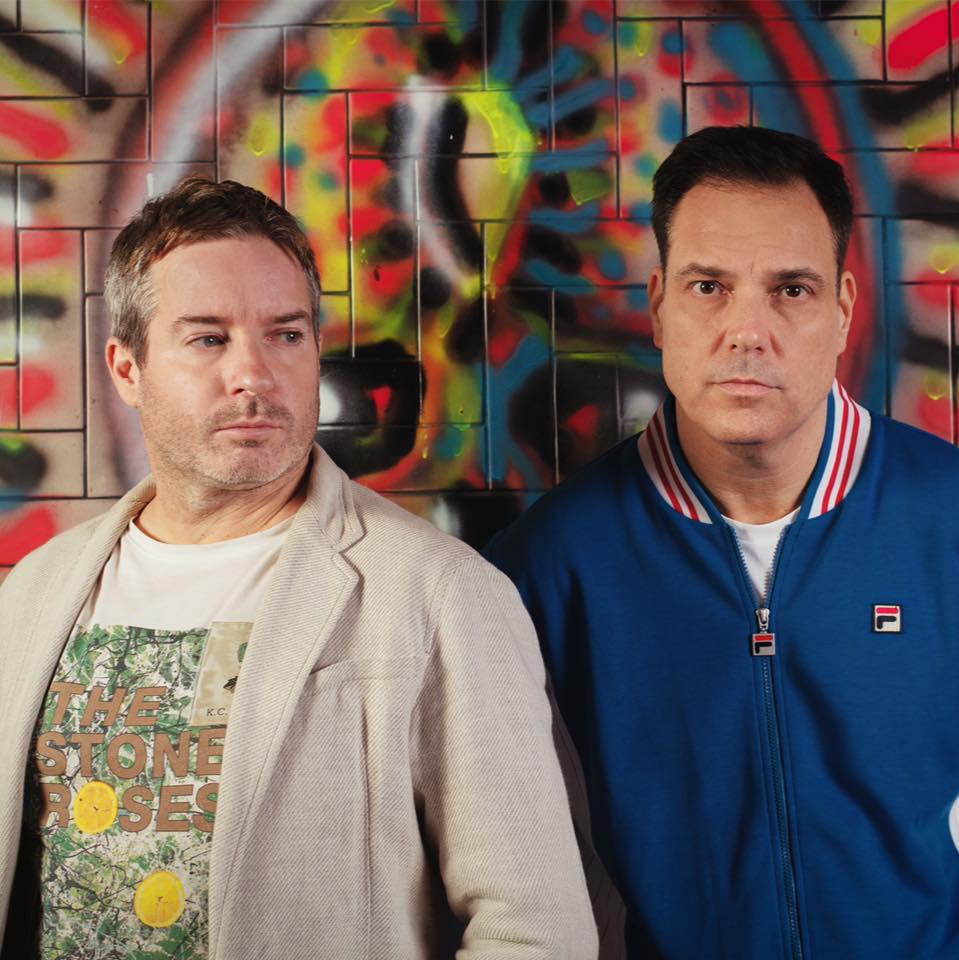
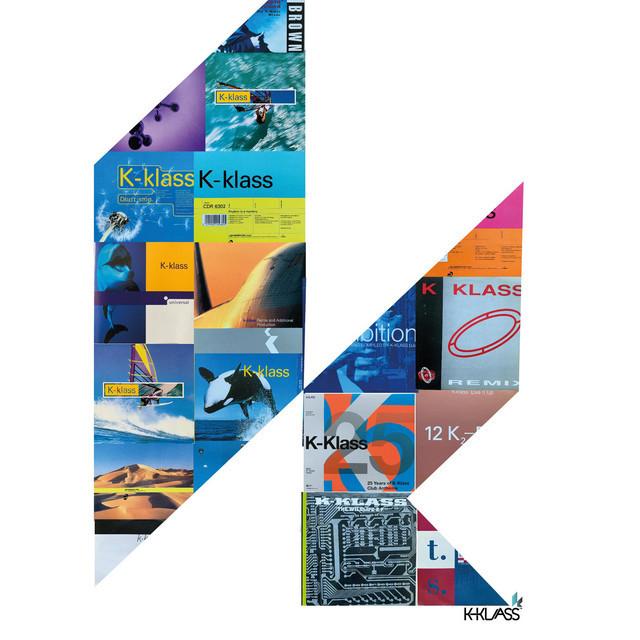
K-Klass’ Spotify BioK-Klass are responsible for some of the biggest house tracks and remixes ever made. With more than 30 years under the belt as DJ's, , producers, remixers, live PA and a full live band, they have seen trends come and go, however, still only submit to the religion of H.O.U.S.E. Nights out at the legendary Hacienda “Nude” nights in 1988 led to these kindred spirits meeting and jumpstart the K-Klass phenomena, which shortly after secured their first performances at the Hacienda. From thereon, K-Klass became residents for the world’s biggest dance brands, including CREAM (to date!), playing guest slots all over the world at some of the most prestigious and biggest dance events. K-Klass had already gained under-ground support for their acclaimed “Wildlife E.P", released in 1990, before they unleashed their sound onto a nationwide audience with the release of “Rhythm is a Mystery” (No.3 in U.K.Top 40) and the huge “Let Me Show You” (No.13 in U.K.Top 40). 1995's remix for Bobby Brown's "Two… Can Play That Game" secured them as remixers for the stars to date. Most recently their curation for the CREAM Classical shows with full orchestra makes their story go full circle.
Viberate is a music analytics platform built for A&Rs, artist managers, labels, booking agents, marketers, and artists.
It helps music professionals track artist growth, analyze audience data, monitor playlist activity, compare artists, follow song performance, and identify opportunities across the music market.
Public artist pages provide a free preview of selected artist data. Paid plans provide access to deeper analytics, historical data, charts, comparisons, playlist tools, exports, alerts, reports, and additional professional features.
Yes. Public Viberate artist pages provide selected artist analytics and music data for free.
Viberate also offers a 7-day free trial of the full platform. A credit card is required to start the trial. The trial includes access to the complete product so users can test deeper artist analytics, historical views, playlist insights, comparisons, charts, exports, alerts, and reporting features before choosing a paid plan.
Viberate provides artist analytics across streaming, playlists, social media, video, radio airplay, songs, and audience markets.
Users can analyze Spotify performance, Spotify and Apple Music playlists, YouTube activity, TikTok and Instagram growth, radio spins, song performance, audience locations, demographics, rankings, and overall artist momentum.
Artist profiles also connect to music charts, similar artists, and comparison tools, helping users benchmark performance and evaluate artists in context.
Viberate updates key artist and track data daily.
For followed artists and tracks, selected data is refreshed multiple times per day. This helps teams monitor playlist changes, streaming movement, audience growth, releases, and campaign performance with more current data.
Update frequency can vary depending on the metric and data source.
Yes. Viberate lets users compare up to five artists side by side across streaming, social media, audience, and engagement metrics.
Users can compare fanbase growth, audience demographics, locations, Spotify performance, social metrics, and other artist data over selected time periods.
Artist comparison can be used for A&R scouting, benchmarking, booking decisions, campaign planning, and evaluating artists with similar audiences or market positions.