The Shaggs

Rock
Garage Rock
 Viberate Rank: 146470
 Viberate Rank: 146470
 Monthly ListenersFollowers
 Subscribers
 Followers
 Followers
 FansTop Spotify Songs
| Track | 7-Day Streams | |
|---|---|---|
1 | 3.10K | |
2 | 2.77K | |
3 | 702 | |
4 | 691 | |
5 | 688 |
Top YouTube VideosMonthly ListenersFeatured in Playlists| Playlist | Followers | |
|---|---|---|
1 |  Alternative 60s Spotify | 360.55K |
2 |  Aphex Twin: [mostly mellow] for Supreme Supreme | 44.15K |
3 |  WORST SONGS EVER NoLidJellyJar | 26.34K |
4 |  The Perks of Being a Wallflower julia igl | 16.79K |
5 |  The 200 Best Albums of the 1960s Pitchfork | 10.80K |
Audience| City | Monthly Listeners | |
|---|---|---|
1 | | 405 |
2 | | 400 |
3 |  | 308 |
4 | | 299 |
5 | | 261 |
See full performance history, audience data, playlist activity, rankings, comparisons, and more in Viberate music analytics. Start with a free trial, then continue with a paid plan.
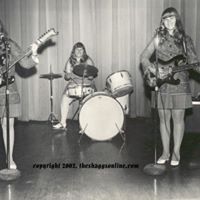
The Shaggs’ Spotify BioOne of the earliest and most vivid examples of outsider rock & roll was the short-lived and deeply polarizing trio the Shaggs. The group's atonal singing, amateurish playing, and confusing approach to melody and song structure were seen by many as abysmally bad. However, enough listeners were moved by the band's singular sound to keep their mystique alive and their recordings in print decades after the group's 1975 disbandment. Along with instrumental compositions so strange they seem accidentally avant-garde, the Shaggs' 1969 debut, Philosophy of the World, was marked by lyrics that simultaneously conveyed innocence, wonder, and a haunting sadness.
The Shaggs were made up of three Wiggin sisters: Dot, Helen, and Betty. Coming from a large family in New Hampshire, the sisters found themselves playing music in the mid-'60s at the behest of their father, Austin Wiggin. Moved by a premonition his mother had that her granddaughters would form a band, Austin took the girls out of school,… bought them instruments, and insisted that they practice for hours daily. After a few years of daily rehearsal and weekly performances at local nursing homes and town hall dances, the group entered a Massachusetts recording studio for the single-day session that resulted in their 1969 debut album, Philosophy of the World. One thousand copies were pressed on local fly-by-night record label Third World, and all but 100 of them quickly disappeared, along with the president of the company. The Shaggs added another sister, Rachel, on bass, to their ranks and continued playing locally.
When Austin Wiggin passed away in 1975, the group disbanded and never played together again. But over the intervening years, their lone misguided attempt at recording started gaining cult status. In a Playboy magazine interview, Frank Zappa called Philosophy of the World his third all-time favorite album, and was famously quoted saying the band was "better than the Beatles." In 1980, jammy rockers NRBQ spearheaded a reissue of Philosophy of the World, bringing its sweet, jumbled expressions to a new generation of fans. In 1982, unreleased recordings of original tunes and relaxed covers emerged on the compilation Shaggs' Own Thing on Red Rooster Records.
The band's singularity continued connecting with new waves of artists, with Kurt Cobain naming Philosophy one of his Top Ten favorites, multiple tribute collections in honor of the band surfacing, and even an off-Broadway musical about the Shaggs going into production in 2011. Both Philosophy of the World and Shaggs' Own Thing would be reissued multiple times as the years went on, and in 2013, Dot Wiggin released her first new music since the Shaggs' breakup 38 years earlier with her album Ready! Get! Go! under the moniker Dot Wiggin Band. ~ Cub Koda & Fred Thomas, Rovi
Viberate is a music analytics platform built for A&Rs, artist managers, labels, booking agents, marketers, and artists.
It helps music professionals track artist growth, analyze audience data, monitor playlist activity, compare artists, follow song performance, and identify opportunities across the music market.
Public artist pages provide a free preview of selected artist data. Paid plans provide access to deeper analytics, historical data, charts, comparisons, playlist tools, exports, alerts, reports, and additional professional features.
Yes. Public Viberate artist pages provide selected artist analytics and music data for free.
Viberate also offers a 7-day free trial of the full platform. A credit card is required to start the trial. The trial includes access to the complete product so users can test deeper artist analytics, historical views, playlist insights, comparisons, charts, exports, alerts, and reporting features before choosing a paid plan.
Viberate provides artist analytics across streaming, playlists, social media, video, radio airplay, songs, and audience markets.
Users can analyze Spotify performance, Spotify and Apple Music playlists, YouTube activity, TikTok and Instagram growth, radio spins, song performance, audience locations, demographics, rankings, and overall artist momentum.
Artist profiles also connect to music charts, similar artists, and comparison tools, helping users benchmark performance and evaluate artists in context.
Viberate updates key artist and track data daily.
For followed artists and tracks, selected data is refreshed multiple times per day. This helps teams monitor playlist changes, streaming movement, audience growth, releases, and campaign performance with more current data.
Update frequency can vary depending on the metric and data source.
Yes. Viberate lets users compare up to five artists side by side across streaming, social media, audience, and engagement metrics.
Users can compare fanbase growth, audience demographics, locations, Spotify performance, social metrics, and other artist data over selected time periods.
Artist comparison can be used for A&R scouting, benchmarking, booking decisions, campaign planning, and evaluating artists with similar audiences or market positions.