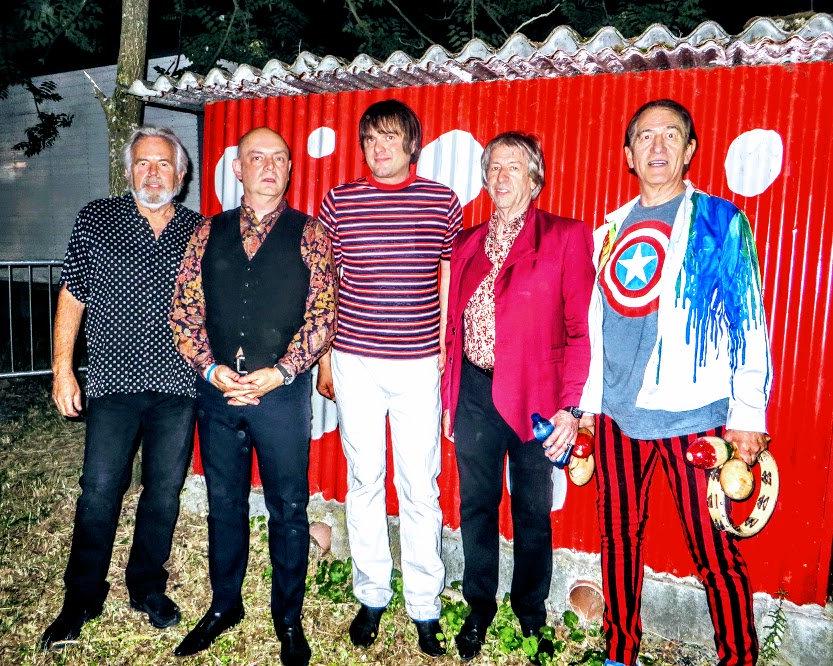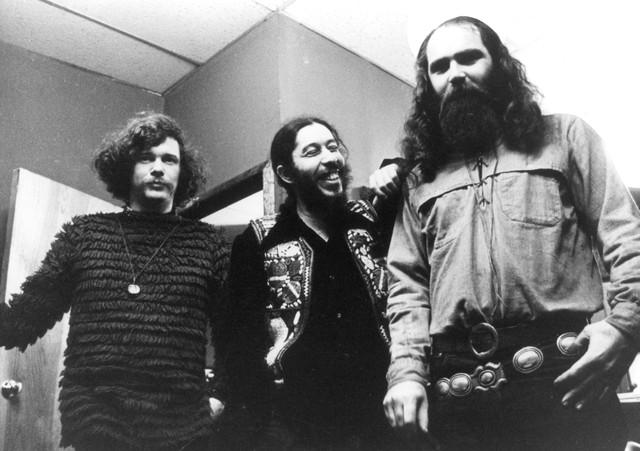
The Fugs

Rock
Folk Rock
Garage Rock
 Viberate Rank: 150802
 Viberate Rank: 150802
 Monthly ListenersFollowers
 Subscribers
 Followers
 Followers
 FansTop Spotify Songs
| Track | 7-Day Streams | |
|---|---|---|
1 | 4.50K | |
2 | 817 | |
3 | 563 | |
4 | 563 | |
5 | 373 |
Top YouTube VideosMonthly ListenersFeatured in Playlists| Playlist | Followers | |
|---|---|---|
1 | Unofficial Reverb Radio Jeff Ferruzzo | 21.82K |
2 |  Roadtrip Classics lukas | 20.32K |
3 |  Aphrodite Worship ─ ♡ cabaretdollie | 16.73K |
4 |  Obscure 60s/70s Psychedelic Rock Jason LeValley | 15.25K |
5 |  Rock Psicodélico marcelosimoncini | 14.53K |
Audience| City | Monthly Listeners | |
|---|---|---|
1 | | 296 |
2 |  | 275 |
3 | | 248 |
4 | | 242 |
5 | | 208 |
See full performance history, audience data, playlist activity, rankings, comparisons, and more in Viberate music analytics. Start with a free trial, then continue with a paid plan.
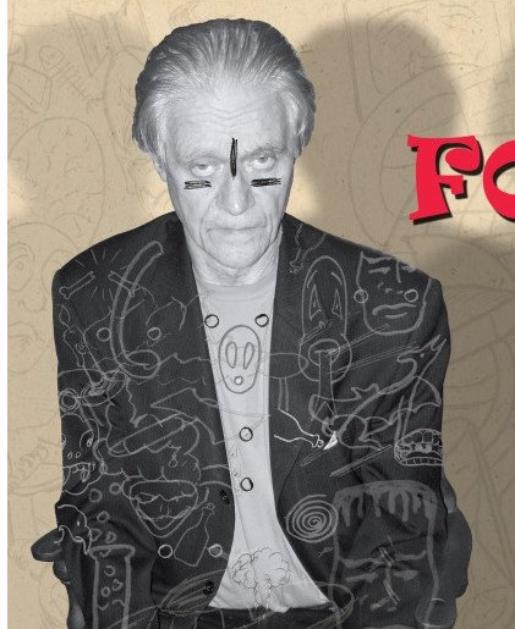
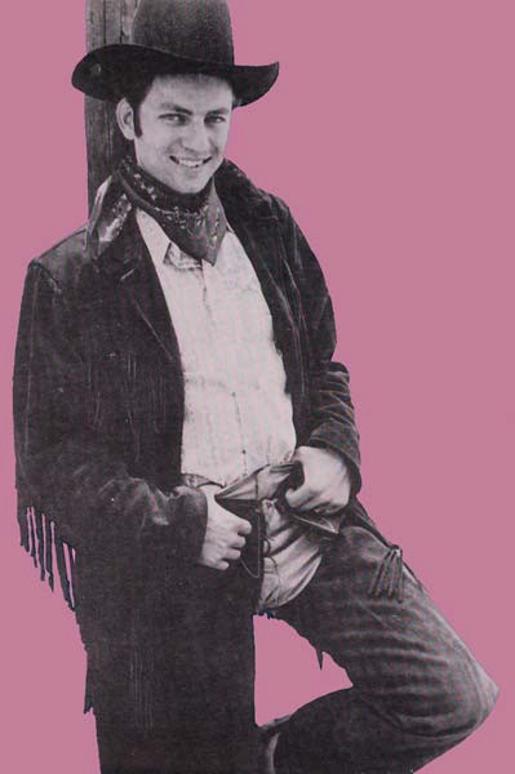
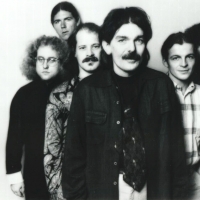
The Fugs’ Spotify BioArguably the first underground rock group of all time, the Fugs formed at the Peace Eye bookstore in New York's East Village in late 1964. The nucleus of the band throughout its many personnel changes was Peace Eye owner Ed Sanders and fellow poet Tuli Kupferberg. Sanders and Kupferberg had strong ties to the beat literary scene, but charged, in the manner of their friend Allen Ginsberg, full steam ahead into the maelstrom of '60s political involvement and psychedelia. Surrounded by an assortment of motley refugees from the New York folk and jug band scene (including Steve Weber and Peter Stampfel of the Holy Modal Rounders), some of whom could barely play their instruments, the group nonetheless was determined to play rock & roll their way -- which meant rife with political and social satire, as well as explicit profanity and sexual references, that were downright unheard of in 1965.
Starting on the legendary avant-garde ESP label, the Fugs' debut was full of equal amounts of chaos and… charm, but their songwriting and instrumental chops improved surprisingly quickly, resulting in a second album that was undoubtedly the most shocking and satirical recording ever to grace the Top 100 when it was released. After cutting an unreleased album for Atlantic, they moved on to Frank Sinatra's Reprise label, unleashing a few more albums of equally satirical material that were more instrumentally polished, but equally scathing lyrically. By breaking lyrical taboos of popular music, they helped pave the way for the even more innovative outrage of the Mothers of Invention, the Velvet Underground, and others.
Breaking up around 1970, Sanders and Kupferberg continued to write prose and poetry, and sometimes wrote and performed music both on their own and as part of Fugs reunions. By the mid-'80s, Sanders and Kupferberg officially began touring and recording again as the Fugs, releasing the acclaimed CDs No More Slavery in 1985, Final CD, Pt. 1 in 2003, and Be Free! Final CD, Pt. 2, which was recorded between 2005 and 2009 and issued in 2010. The band’s re-formation also instigated the release of the box sets Electromagnetic Steamboat: The Reprise Recordings from Rhino Handmade and Don’t Stop! Don’t Stop! on Ace, which combined their first two albums with numerous unreleased tracks. However, the octogenarian Kupferberg's health declined in the late 2000s, particularly after he suffered two strokes in 2009. He died in Manhattan on July 12, 2010 at the age of 86, bringing the Fugs saga to a close. ~ Richie Unterberger & Al Campbell, Rovi
Viberate is a music analytics platform built for A&Rs, artist managers, labels, booking agents, marketers, and artists.
It helps music professionals track artist growth, analyze audience data, monitor playlist activity, compare artists, follow song performance, and identify opportunities across the music market.
Public artist pages provide a free preview of selected artist data. Paid plans provide access to deeper analytics, historical data, charts, comparisons, playlist tools, exports, alerts, reports, and additional professional features.
Yes. Public Viberate artist pages provide selected artist analytics and music data for free.
Viberate also offers a 7-day free trial of the full platform. A credit card is required to start the trial. The trial includes access to the complete product so users can test deeper artist analytics, historical views, playlist insights, comparisons, charts, exports, alerts, and reporting features before choosing a paid plan.
Viberate provides artist analytics across streaming, playlists, social media, video, radio airplay, songs, and audience markets.
Users can analyze Spotify performance, Spotify and Apple Music playlists, YouTube activity, TikTok and Instagram growth, radio spins, song performance, audience locations, demographics, rankings, and overall artist momentum.
Artist profiles also connect to music charts, similar artists, and comparison tools, helping users benchmark performance and evaluate artists in context.
Viberate updates key artist and track data daily.
For followed artists and tracks, selected data is refreshed multiple times per day. This helps teams monitor playlist changes, streaming movement, audience growth, releases, and campaign performance with more current data.
Update frequency can vary depending on the metric and data source.
Yes. Viberate lets users compare up to five artists side by side across streaming, social media, audience, and engagement metrics.
Users can compare fanbase growth, audience demographics, locations, Spotify performance, social metrics, and other artist data over selected time periods.
Artist comparison can be used for A&R scouting, benchmarking, booking decisions, campaign planning, and evaluating artists with similar audiences or market positions.