The Sha La Das

R&B
Retro Soul
 Viberate Rank: 25780
 Viberate Rank: 25780
 Monthly ListenersFollowers
 Subscribers
 Followers
 Followers
 FansTop Spotify Songs
| Track | 7-Day Streams | |
|---|---|---|
1 | 2.39M | |
2 | 68.26K | |
3 | 32.16K | |
4 | 17.75K | |
5 | 16.59K |
Top YouTube VideosMonthly ListenersFeatured in Playlists| Playlist | Followers | |
|---|---|---|
1 |  Summer Ava Lee | 100.28K |
2 |  Chicano Oldies DCCII.Angel | 81.51K |
3 |  romantic oldies🫀 𝐉𝐞𝐬𝐬🎰 | 78.95K |
4 |  soulful Spotify | 58.41K |
5 |  Gilles Peterson Worldwide Radio Gilles Peterson | 45.19K |
Audience| City | Monthly Listeners | |
|---|---|---|
1 | | 63.43K |
2 |  | 46.27K |
3 |  | 44.23K |
4 | | 42.19K |
5 |  | 40.95K |
See full performance history, audience data, playlist activity, rankings, comparisons, and more in Viberate music analytics. Start with a free trial, then continue with a paid plan.
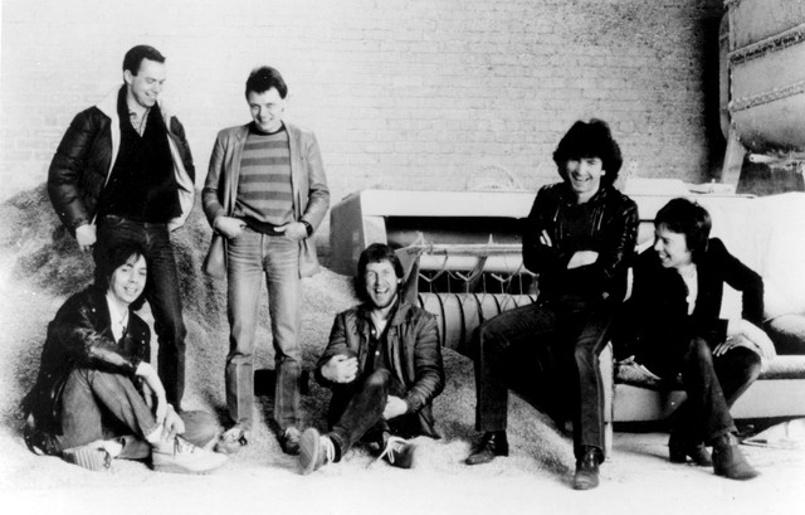
The Sha La Das’ Spotify BioWhen the Sha La Das released their 2018 debut Love in the Wind, the group thought it might be a one-off. Bill Schalda and his talented sons Paul, Will and Carmine created something timeless with their silken family harmonies—following it wouldn’t be easy.
Fortunately, the urge to create kept tugging at the Sha La Das. Musical ideas were passed between members and Thomas Brenneck (Charles Bradley, Menahan Street Band, Lady Wray), who also produced Love in the Wind after being wowed by Bill’s singing. “Bill is the real deal,” Brenneck says. “About as authentic of a doo-wop singer as you can find and an amazing songwriter as well.”
Slowly, a batch of new Sha La Das songs took shape. From that collaboration comes Your Picture, the Sha La Das’ seductively engrossing second album and the first release on Tom Brenneck's own label, Diamond West Records. It’s yet another singular testament to the stirring power of blood harmony and a celebration of the enduring love story between Bill and the… family matriarch, Linda.
Traces of old memories flicker through Your Picture. The title track recalls a relationship from long ago, sparked by an old photo. “It’s almost like breaking a dam of feelings that I didn’t even know were there." Says Schalda.
That love radiates throughout the album and the shimmering melodies Bill and his sons' produce. Whether the Sha La Das make another album or not, Bill Schalda and sons are living their musical dream—Your Picture is the proof.
Viberate is a music analytics platform built for A&Rs, artist managers, labels, booking agents, marketers, and artists.
It helps music professionals track artist growth, analyze audience data, monitor playlist activity, compare artists, follow song performance, and identify opportunities across the music market.
Public artist pages provide a free preview of selected artist data. Paid plans provide access to deeper analytics, historical data, charts, comparisons, playlist tools, exports, alerts, reports, and additional professional features.
Yes. Public Viberate artist pages provide selected artist analytics and music data for free.
Viberate also offers a 7-day free trial of the full platform. A credit card is required to start the trial. The trial includes access to the complete product so users can test deeper artist analytics, historical views, playlist insights, comparisons, charts, exports, alerts, and reporting features before choosing a paid plan.
Viberate provides artist analytics across streaming, playlists, social media, video, radio airplay, songs, and audience markets.
Users can analyze Spotify performance, Spotify and Apple Music playlists, YouTube activity, TikTok and Instagram growth, radio spins, song performance, audience locations, demographics, rankings, and overall artist momentum.
Artist profiles also connect to music charts, similar artists, and comparison tools, helping users benchmark performance and evaluate artists in context.
Viberate updates key artist and track data daily.
For followed artists and tracks, selected data is refreshed multiple times per day. This helps teams monitor playlist changes, streaming movement, audience growth, releases, and campaign performance with more current data.
Update frequency can vary depending on the metric and data source.
Yes. Viberate lets users compare up to five artists side by side across streaming, social media, audience, and engagement metrics.
Users can compare fanbase growth, audience demographics, locations, Spotify performance, social metrics, and other artist data over selected time periods.
Artist comparison can be used for A&R scouting, benchmarking, booking decisions, campaign planning, and evaluating artists with similar audiences or market positions.