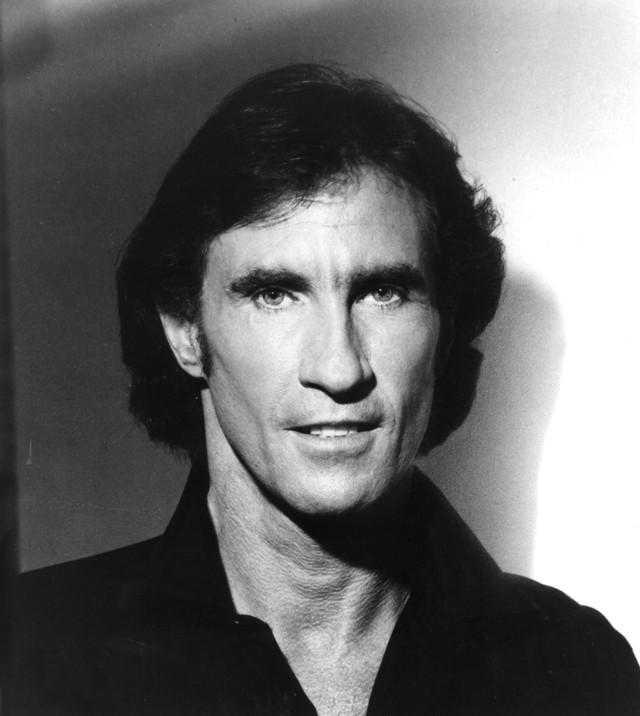
The Rembrandts

Rock
Pop Rock
 Viberate Rank: 25861
 Viberate Rank: 25861
 Monthly ListenersFollowers
 Subscribers
 Followers
 Followers
 FansTop Spotify Songs
| Track | 7-Day Streams | |
|---|---|---|
1 | 573.29K | |
2 | 70.88K | |
3 | 39.72K | |
4 | 12.57K | |
5 | 4.68K |
Top YouTube Videos| Video | 7-Day Views | |
|---|---|---|
1 | 37.41K | |
2 | 12.46K | |
3 | 9.43K | |
4 | 3.25K | |
5 | 617 |
Monthly ListenersFeatured in Playlists| Playlist | Followers | |
|---|---|---|
1 |  Guilty Pleasures Spotify | 3.39M |
2 |  Soft 90s Spotify | 1.98M |
3 |  Wake Up Happy Spotify | 1.57M |
4 |  90s Road Trip Spotify | 1.40M |
5 |  90er Hits Spotify | 1.04M |
Audience| City | Monthly Listeners | |
|---|---|---|
1 |  | 29.60K |
2 | | 27.03K |
3 | | 24.30K |
4 |  | 20.97K |
5 |  | 19.27K |
See full performance history, audience data, playlist activity, rankings, comparisons, and more in Viberate music analytics. Start with a free trial, then continue with a paid plan.
The Rembrandts’ Spotify BioLet's get this out of the way first: The Rembrandts—the pop-rock duo of multi-instrumentalists and songwriters Phil Solem and Danny Wilde—co-wrote the effervescent Friends theme song, "I'll Be There For You." That song, with its inimitable handclaps and jangly guitar riffs, spent 11 weeks at No. 1 on the U.S. Billboard Hot 100 Airplay chart, climbed several charts around the world, and continues to find new audiences thanks to Friends reruns.
However, for Solem and Wilde, that song is just one small chapter in a friendship and creative relationship spanning four decades, two bands, four studio albums, two greatest hits records, a handful of U.S. radio hits, and two U.S. Top 40 singles. Anyone familiar with the Rembrandts only from "I'll Be There For You" should know that the band has a rich catalog brimming with smart, well-wrought pop gems.
That streak remains unbroken on Via Satellite, the first Rembrandts studio album in 18 years. The meticulous, guitar-driven songs explore every nook… and cranny of the pop continuum. "We are individuals, and we do have our own unique sounds, but it's the harmonies, the interweaving of the melodies, that really make the Rembrandts sound," says Wilde. Via Satellite's lyrics are certainly clear-eyed about life's ebbs and flows—including romantic breakdowns, changes of geographical scenery and unexpected emotional fissures—and the leaps of faith people take in order to pursue happiness.
Viberate is a music analytics platform built for A&Rs, artist managers, labels, booking agents, marketers, and artists.
It helps music professionals track artist growth, analyze audience data, monitor playlist activity, compare artists, follow song performance, and identify opportunities across the music market.
Public artist pages provide a free preview of selected artist data. Paid plans provide access to deeper analytics, historical data, charts, comparisons, playlist tools, exports, alerts, reports, and additional professional features.
Yes. Public Viberate artist pages provide selected artist analytics and music data for free.
Viberate also offers a 7-day free trial of the full platform. A credit card is required to start the trial. The trial includes access to the complete product so users can test deeper artist analytics, historical views, playlist insights, comparisons, charts, exports, alerts, and reporting features before choosing a paid plan.
Viberate provides artist analytics across streaming, playlists, social media, video, radio airplay, songs, and audience markets.
Users can analyze Spotify performance, Spotify and Apple Music playlists, YouTube activity, TikTok and Instagram growth, radio spins, song performance, audience locations, demographics, rankings, and overall artist momentum.
Artist profiles also connect to music charts, similar artists, and comparison tools, helping users benchmark performance and evaluate artists in context.
Viberate updates key artist and track data daily.
For followed artists and tracks, selected data is refreshed multiple times per day. This helps teams monitor playlist changes, streaming movement, audience growth, releases, and campaign performance with more current data.
Update frequency can vary depending on the metric and data source.
Yes. Viberate lets users compare up to five artists side by side across streaming, social media, audience, and engagement metrics.
Users can compare fanbase growth, audience demographics, locations, Spotify performance, social metrics, and other artist data over selected time periods.
Artist comparison can be used for A&R scouting, benchmarking, booking decisions, campaign planning, and evaluating artists with similar audiences or market positions.