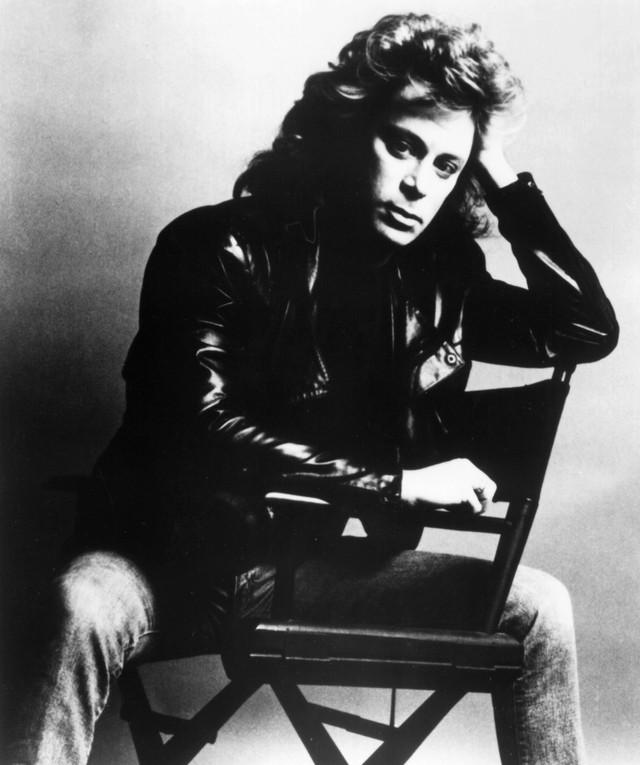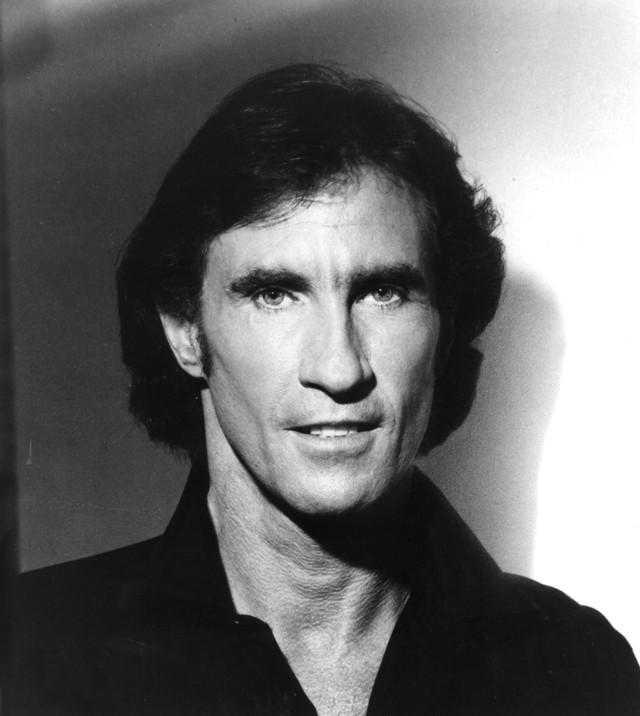
Bill Medley

Pop
Mainstream Pop
 Viberate Rank: 17940
 Viberate Rank: 17940
 Monthly ListenersFollowers
 Subscribers
 Followers
 Followers
 FansTop Spotify Songs
| Track | 7-Day Streams | |
|---|---|---|
1 | 2.48M | |
2 | 67.79K | |
3 | 36.16K | |
4 | 23.79K | |
5 | 7.35K |
Top YouTube Videos| Video | 7-Day Views | |
|---|---|---|
1 | 111.90K | |
2 | 6.38K | |
3 | 5.18K | |
4 | 3.36K | |
5 | 1.89K |
Monthly ListenersFeatured in Playlists| Playlist | Followers | |
|---|---|---|
1 |  80s HITS | TOP 100 SONGS Filtr US | 2.90M |
2 |  Love Ballads Spotify | 2.20M |
3 |  Easy 80s Spotify | 1.51M |
4 |  80s Party Spotify | 1.49M |
5 |  Hits From The Movies Spotify | 963.53K |
Audience| City | Monthly Listeners | |
|---|---|---|
1 |  | 118.62K |
2 |  | 80.82K |
3 |  | 74.30K |
4 | | 67.42K |
5 | | 58.87K |
See full performance history, audience data, playlist activity, rankings, comparisons, and more in Viberate music analytics. Start with a free trial, then continue with a paid plan.
Bill Medley’s Spotify BioBest known as the Righteous Brother with the rich baritone, Bill Medley grew up surrounded by music: his father led a band and played saxophone, while his mother sang and played piano. Medley himself sang in his church choir as a boy, with the glee club in high school, and in the early '60s in his band the Paramours. Soon after, Medley began singing with Bobby Hatfield as the Righteous Brothers, a partnership that spawned hits like "You've Lost That Lovin' Feeling" and "Unchained Melody." When the duo parted ways in 1968, Medley pursued a solo career, scoring hits such as "Brown-Eyed Woman" and releasing albums like Soft and Soulful, Nobody Knows, and A Song for You. Medley reunited with Hatfield in 1974, then took a five-year break from performing in 1976. However, he continued to record throughout the '80s, scoring his most notable hit with the Grammy Award-winning number one single "(I've Had) The Time of My Life," a duet with Jennifer Warnes taken from the Dirty Dancing soundtrack.… Meanwhile, the Righteous Brothers' popularity rose again thanks to the inclusion of "You've Lost That Lovin' Feeling" on the Top Gun soundtrack and "Unchained Melody" on the Ghost soundtrack; Medley and Hatfield responded by reuniting again and touring the oldies circuit, which they continued to play throughout the '90s. Medley still found time for his solo career, releasing albums such as 1996's Christmas Memories and the following year's Almost Home, while living with his family in Newport Beach. A decade later -- and four years after the death of his fellow Righteous Brother Hatfield -- Medley returned with Damn Near Righteous, which featured cameos by Brian Wilson, Phil Everly, and Medley's daughter McKenna. A live set, recorded in Branson, followed in 2009. In early 2014, he released Your Heart to Mine: Dedicated to the Blues, a stripped-down and wonderfully emotional balanced tribute to some of the R&B and blues artists who influenced Medley and Hatfield at the start of their careers, a set exhibiting Medley's signature baritone singing, now hoarsened and worn by age into an almost even more soulful vocal vehicle. ~ Heather Phares & Steve Leggett, Rovi
Viberate is a music analytics platform built for A&Rs, artist managers, labels, booking agents, marketers, and artists.
It helps music professionals track artist growth, analyze audience data, monitor playlist activity, compare artists, follow song performance, and identify opportunities across the music market.
Public artist pages provide a free preview of selected artist data. Paid plans provide access to deeper analytics, historical data, charts, comparisons, playlist tools, exports, alerts, reports, and additional professional features.
Yes. Public Viberate artist pages provide selected artist analytics and music data for free.
Viberate also offers a 7-day free trial of the full platform. A credit card is required to start the trial. The trial includes access to the complete product so users can test deeper artist analytics, historical views, playlist insights, comparisons, charts, exports, alerts, and reporting features before choosing a paid plan.
Viberate provides artist analytics across streaming, playlists, social media, video, radio airplay, songs, and audience markets.
Users can analyze Spotify performance, Spotify and Apple Music playlists, YouTube activity, TikTok and Instagram growth, radio spins, song performance, audience locations, demographics, rankings, and overall artist momentum.
Artist profiles also connect to music charts, similar artists, and comparison tools, helping users benchmark performance and evaluate artists in context.
Viberate updates key artist and track data daily.
For followed artists and tracks, selected data is refreshed multiple times per day. This helps teams monitor playlist changes, streaming movement, audience growth, releases, and campaign performance with more current data.
Update frequency can vary depending on the metric and data source.
Yes. Viberate lets users compare up to five artists side by side across streaming, social media, audience, and engagement metrics.
Users can compare fanbase growth, audience demographics, locations, Spotify performance, social metrics, and other artist data over selected time periods.
Artist comparison can be used for A&R scouting, benchmarking, booking decisions, campaign planning, and evaluating artists with similar audiences or market positions.