The Red Chord

Metal
Death Metal
Metalcore/Deathcore
 Viberate Rank: 131572
 Viberate Rank: 131572
 Monthly ListenersFollowers
 Subscribers
 Followers
 Followers
 FansTop Spotify Songs
| Track | 7-Day Streams | |
|---|---|---|
1 | 2.13K | |
2 | 1.66K | |
3 | 1.16K | |
4 | 885 | |
5 | 744 |
Top YouTube VideosMonthly ListenersFeatured in Playlists| Playlist | Followers | |
|---|---|---|
1 |  Heavy Lifting Sumerian Records | 28.92K |
2 |  songs for when im eating gemstones in the museum gift shop madeleine | 24.80K |
3 |  MYSPACE DEATHCORE: 2002 - 2010 xdeathcorex | 18.10K |
4 | alt-J's Collective Memory alt-J | 9.29K |
5 | Heaviest Metal In The Universe bw4hh55qffvpmsqq9jvlg22il | 7.75K |
Audience| City | Monthly Listeners | |
|---|---|---|
1 | | 307 |
2 | | 284 |
3 | | 242 |
4 | | 235 |
5 | | 202 |
See full performance history, audience data, playlist activity, rankings, comparisons, and more in Viberate music analytics. Start with a free trial, then continue with a paid plan.
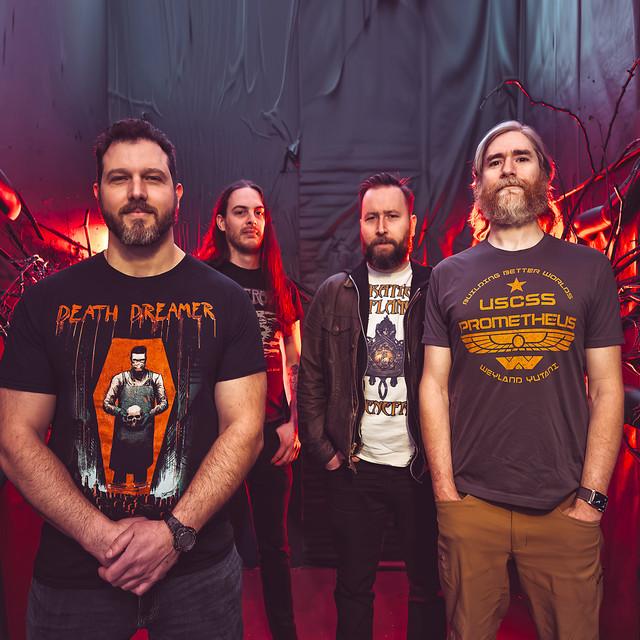
The Red Chord’s Spotify BioBoston-based death metal/grindcore outfit the Red Chord combine a crushing rhythmic assault and guitar patterns that bite like a circular saw with the menacing but intelligent lyrics and furious vocals of frontman Guy Kozowyk. Formed in 1999, the band earned a reputation on the New England metal scene for their uncompromising sound and style and they were offered a one-off album deal with the independent label Robotic Activities. 2002's Fused Together in Revolving Doors was recorded in a mere three days, but the results were strong enough to win them many new fans, and the band was able to spend more time on their second album, 2005's Clients. Clients was a concept album inspired by Kozowyk's day job working at a pharmacy, where a number of disturbed and eccentric individuals would come in regularly to refill prescriptions, with each song telling the story of a different "client." Originally released through Black Markey Activities, the well-respected metal label run by Kozowyk and… former bassist Adam Wentworth, Clients was later reissued through Metal Blade Records, who signed the group to a record deal (and arranged to distribute some of BMA's releases). The Red Chord toured with High on Fire, Hatebreed, GWAR, Between the Buried and Me, and Every Time I Die, and were part of the lineup for the 2006 edition of Ozzfest. Before the Red Chord could return to the studio to record their third album, guitarist Johnny Fay left the group to devote more time to his burgeoning career as a recording engineer. With the new lineup in place of Kozowyk on vocals, Mike "Gunface" McKenzie and Mike Keller on guitars, Greg Weeks on bass, and Brad Fickeisen on drums, the Red Chord set out on tour in anticipation of the release of Prey for Eyes on July 24, 2007. ~ Mark Deming, Rovi
Viberate is a music analytics platform built for A&Rs, artist managers, labels, booking agents, marketers, and artists.
It helps music professionals track artist growth, analyze audience data, monitor playlist activity, compare artists, follow song performance, and identify opportunities across the music market.
Public artist pages provide a free preview of selected artist data. Paid plans provide access to deeper analytics, historical data, charts, comparisons, playlist tools, exports, alerts, reports, and additional professional features.
Yes. Public Viberate artist pages provide selected artist analytics and music data for free.
Viberate also offers a 7-day free trial of the full platform. A credit card is required to start the trial. The trial includes access to the complete product so users can test deeper artist analytics, historical views, playlist insights, comparisons, charts, exports, alerts, and reporting features before choosing a paid plan.
Viberate provides artist analytics across streaming, playlists, social media, video, radio airplay, songs, and audience markets.
Users can analyze Spotify performance, Spotify and Apple Music playlists, YouTube activity, TikTok and Instagram growth, radio spins, song performance, audience locations, demographics, rankings, and overall artist momentum.
Artist profiles also connect to music charts, similar artists, and comparison tools, helping users benchmark performance and evaluate artists in context.
Viberate updates key artist and track data daily.
For followed artists and tracks, selected data is refreshed multiple times per day. This helps teams monitor playlist changes, streaming movement, audience growth, releases, and campaign performance with more current data.
Update frequency can vary depending on the metric and data source.
Yes. Viberate lets users compare up to five artists side by side across streaming, social media, audience, and engagement metrics.
Users can compare fanbase growth, audience demographics, locations, Spotify performance, social metrics, and other artist data over selected time periods.
Artist comparison can be used for A&R scouting, benchmarking, booking decisions, campaign planning, and evaluating artists with similar audiences or market positions.