Ion Dissonance

Metal
Progressive Metal
Metalcore/Deathcore
 Viberate Rank: 178990
 Viberate Rank: 178990
 Monthly ListenersFollowers
 Subscribers
 Followers
 Followers
 FansTop Spotify Songs
| Track | 7-Day Streams | |
|---|---|---|
1 | 838 | |
2 | 609 | |
3 | 463 | |
4 | 330 | |
5 | 317 |
Top YouTube VideosMonthly ListenersFeatured in Playlists| Playlist | Followers | |
|---|---|---|
1 | Metal🤘🏻 Naydil González | 16.46K |
2 | Djent/Progressive/Metalcore/Deathcore Jonas Vikkelsø Henriksen | 9.06K |
3 |  Mathcore Morgan Davies | 7.51K |
4 |  Aggretsuko Metal Soundtrack The Joshing One | 7.03K |
5 |  The Sound of Mathcore The Sounds of Spotify | 5.13K |
Audience| City | Monthly Listeners | |
|---|---|---|
1 |  | 120 |
2 | | 119 |
3 | | 99 |
4 | | 94 |
5 | | 91 |
See full performance history, audience data, playlist activity, rankings, comparisons, and more in Viberate music analytics. Start with a free trial, then continue with a paid plan.
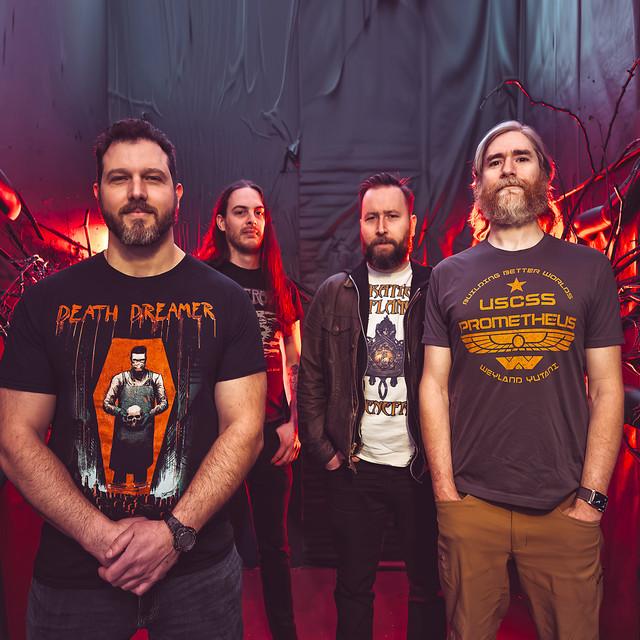
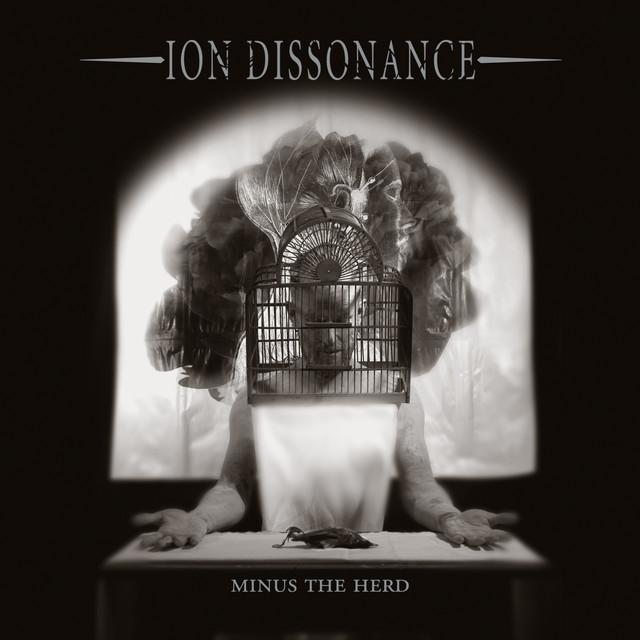
Ion Dissonance’s Spotify BioCanadian masters of metallic hardcore, Ion Dissonance combine precise stop-on-a-dime drumming and a frenetic, muscular guitar attack with songs that assault with the force of a dirty thermonuclear device to create something new and punishing on the metal scene. Ion Dissonance were formed in Montreal, Quebec in mid-2002 by guitarists Sebastien Chaput and Antoine Lussier and drummer J.F. Richard, metal fans interested in taking the music to new sonic extremes. Teaming with vocalist Gabriel McCaughry and bassist Sebastien Painchaud, Ion Dissonance recorded their first demo in the fall of 2002, and it was released to fans under the title .357 by the end of the year. The demo EP earned the band positive press attention and Ion Dissonance began sharing stages with the likes of the Dillinger Escape Plan, Every Time I Die and the Black Dahlia Murder. In the spring of 2003, Ion Dissonance began work on their first full-length album, but not before bassist Painchaud left the group, to be… replaced by Miguel Valade. Pennsylvania-based metal label Willowtip Records released Ion Dissonance's debut album, Breathing Is Irrelevant, in the fall of 2003, with an American tour following early in 2004. The group continued to tour throughout Canada and the United States through the rest of 2004, though bassist Valade would part company with Ion Dissonance late in the year. In early 2005, Xavier St. Laurent took over on bass, and the band continued their punishing road schedule, taking a break in May to begin work on their second album, Solace, which would be released by Abacus Recordings in September 2005. More roadwork followed, including appearances at many of North America's leading extreme metal festivals, and a split CD with Despised Icon featuring rare demo material was released in June of 2006. That same month, vocalist McCaughry announced he was leaving Ion Dissonance due to creative differences, and in the fall, the band disclosed that Kevin McCaughey, formerly of the group Shaolin, had signed on as their new singer, in time to begin recording on the group's next album, Minus the Herd, which was released by Abacus in June 2007. ~ Mark Deming, Rovi
Viberate is a music analytics platform built for A&Rs, artist managers, labels, booking agents, marketers, and artists.
It helps music professionals track artist growth, analyze audience data, monitor playlist activity, compare artists, follow song performance, and identify opportunities across the music market.
Public artist pages provide a free preview of selected artist data. Paid plans provide access to deeper analytics, historical data, charts, comparisons, playlist tools, exports, alerts, reports, and additional professional features.
Yes. Public Viberate artist pages provide selected artist analytics and music data for free.
Viberate also offers a 7-day free trial of the full platform. A credit card is required to start the trial. The trial includes access to the complete product so users can test deeper artist analytics, historical views, playlist insights, comparisons, charts, exports, alerts, and reporting features before choosing a paid plan.
Viberate provides artist analytics across streaming, playlists, social media, video, radio airplay, songs, and audience markets.
Users can analyze Spotify performance, Spotify and Apple Music playlists, YouTube activity, TikTok and Instagram growth, radio spins, song performance, audience locations, demographics, rankings, and overall artist momentum.
Artist profiles also connect to music charts, similar artists, and comparison tools, helping users benchmark performance and evaluate artists in context.
Viberate updates key artist and track data daily.
For followed artists and tracks, selected data is refreshed multiple times per day. This helps teams monitor playlist changes, streaming movement, audience growth, releases, and campaign performance with more current data.
Update frequency can vary depending on the metric and data source.
Yes. Viberate lets users compare up to five artists side by side across streaming, social media, audience, and engagement metrics.
Users can compare fanbase growth, audience demographics, locations, Spotify performance, social metrics, and other artist data over selected time periods.
Artist comparison can be used for A&R scouting, benchmarking, booking decisions, campaign planning, and evaluating artists with similar audiences or market positions.