The Reason

Rock
Alternative Rock
Indie Rock
 Viberate Rank: 292145
 Viberate Rank: 292145
 Monthly ListenersFollowers
 Subscribers
 Followers
 Followers
 FansTop Spotify Songs
| Track | 7-Day Streams | |
|---|---|---|
1 | 341 | |
2 | 294 | |
3 | 294 | |
4 | 294 | |
5 | 275 |
Top YouTube VideosMonthly ListenersFeatured in Playlists| Playlist | Followers | |
|---|---|---|
1 |  Scene Kid MySpace Throwbacks Kitty Voorhees | 11.83K |
2 |  cloud rap/underground rap Lil Found offical707 | 4.26K |
3 | Hyphy Bay Area Hip Hop Jonas Lundh | 2.70K |
4 |  Indie88.1 without Commercials everlast_3434 | 2.56K |
5 |  Bruce Springsteen Covers - Over 450 Great Cover Tracks! Samu Reijonen | 1.96K |
Audience| City | Monthly Listeners | |
|---|---|---|
1 | | 295 |
2 | | 95 |
3 | | 88 |
4 | | 75 |
5 | | 66 |
See full performance history, audience data, playlist activity, rankings, comparisons, and more in Viberate music analytics. Start with a free trial, then continue with a paid plan.
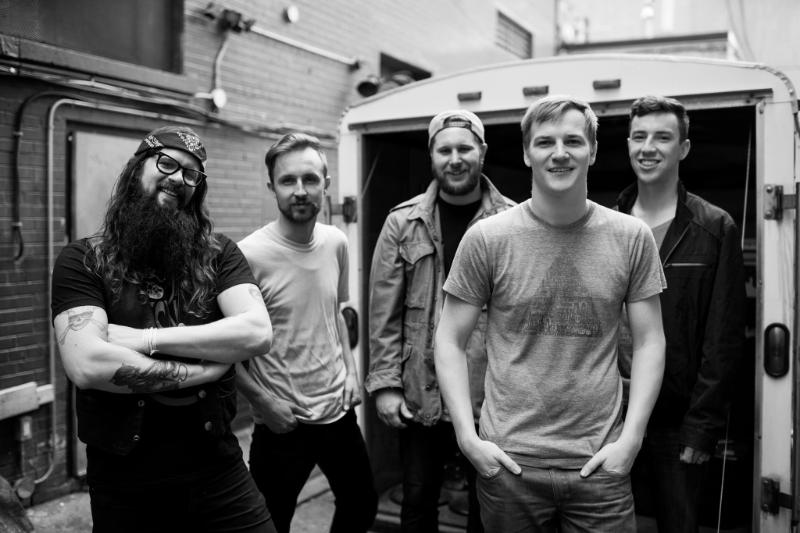
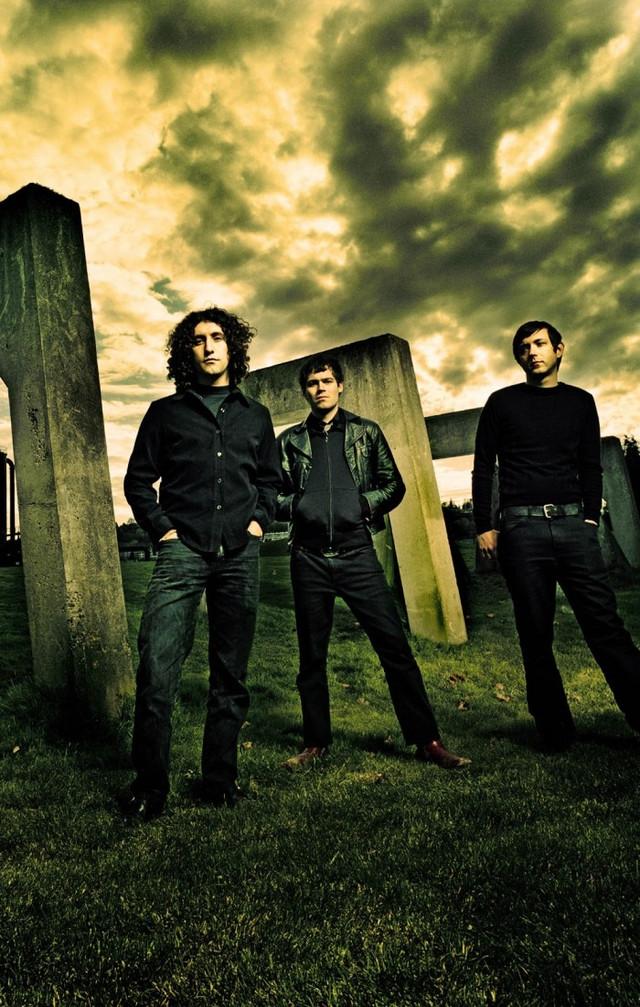
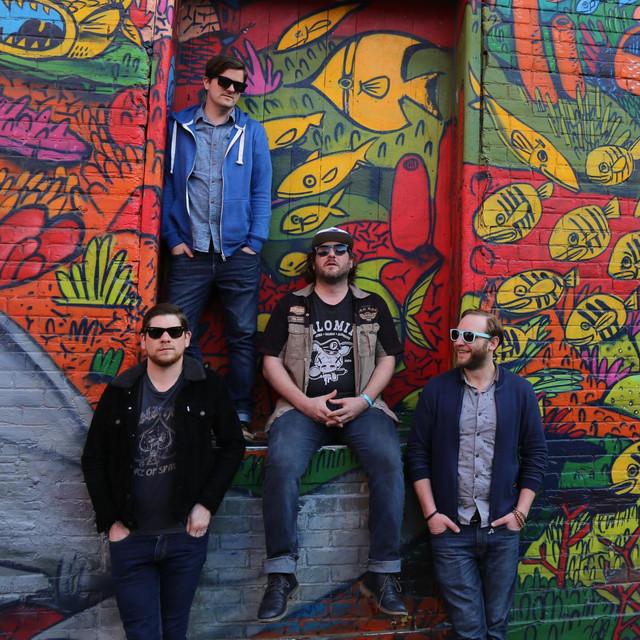
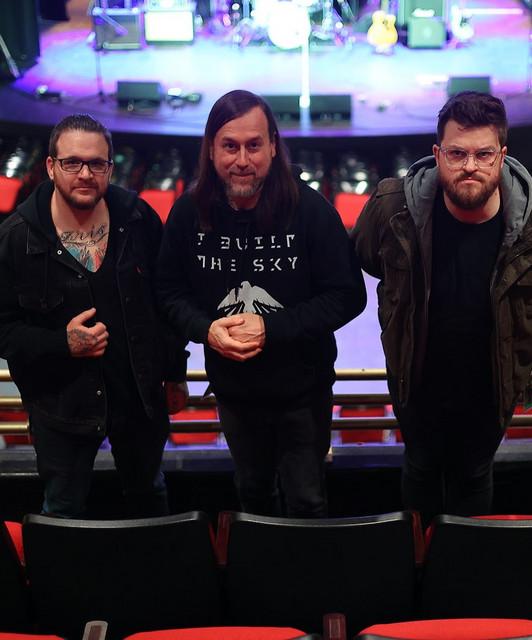
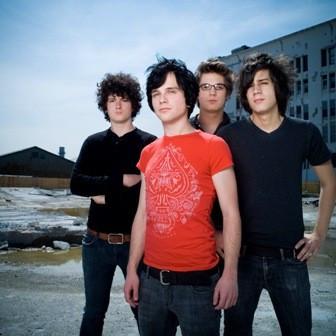
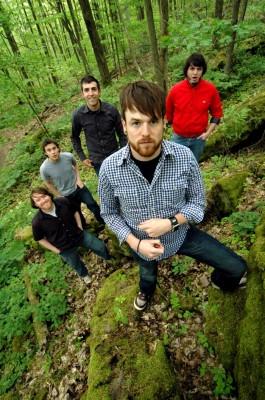
The Reason’s Spotify BioOntario emo band the Reason was formed in late 2003 by Adam White (vocals, keyboard), James Nelan (guitar, vocals), and Ronson Armstrong (bass). The first EP, Problems Associated with Running, was released that year and won Best Punk Recording at the 2004 Hamilton Music Awards. The following year the Reason saw member changes resulting in the lineup of White, Nelan, Jeremy Widerman (guitar), Cam Bordignon (drums), and Sean Palmer (bass). The Reason put out their first full-length, Ravenna, on Smallman Records in September 2004. The band then toured with such bands as Bane, Alexisonfire, Murphy's Law, No Use for a Name, Strung Out, Comeback Kid, and Hopesfall. During the recording of the next album, Palmer was replaced with returning bassist Armstrong. Things Couldn't Be Better was out by March 2007. ~ Kenyon Hopkin, Rovi
Viberate is a music analytics platform built for A&Rs, artist managers, labels, booking agents, marketers, and artists.
It helps music professionals track artist growth, analyze audience data, monitor playlist activity, compare artists, follow song performance, and identify opportunities across the music market.
Public artist pages provide a free preview of selected artist data. Paid plans provide access to deeper analytics, historical data, charts, comparisons, playlist tools, exports, alerts, reports, and additional professional features.
Yes. Public Viberate artist pages provide selected artist analytics and music data for free.
Viberate also offers a 7-day free trial of the full platform. A credit card is required to start the trial. The trial includes access to the complete product so users can test deeper artist analytics, historical views, playlist insights, comparisons, charts, exports, alerts, and reporting features before choosing a paid plan.
Viberate provides artist analytics across streaming, playlists, social media, video, radio airplay, songs, and audience markets.
Users can analyze Spotify performance, Spotify and Apple Music playlists, YouTube activity, TikTok and Instagram growth, radio spins, song performance, audience locations, demographics, rankings, and overall artist momentum.
Artist profiles also connect to music charts, similar artists, and comparison tools, helping users benchmark performance and evaluate artists in context.
Viberate updates key artist and track data daily.
For followed artists and tracks, selected data is refreshed multiple times per day. This helps teams monitor playlist changes, streaming movement, audience growth, releases, and campaign performance with more current data.
Update frequency can vary depending on the metric and data source.
Yes. Viberate lets users compare up to five artists side by side across streaming, social media, audience, and engagement metrics.
Users can compare fanbase growth, audience demographics, locations, Spotify performance, social metrics, and other artist data over selected time periods.
Artist comparison can be used for A&R scouting, benchmarking, booking decisions, campaign planning, and evaluating artists with similar audiences or market positions.