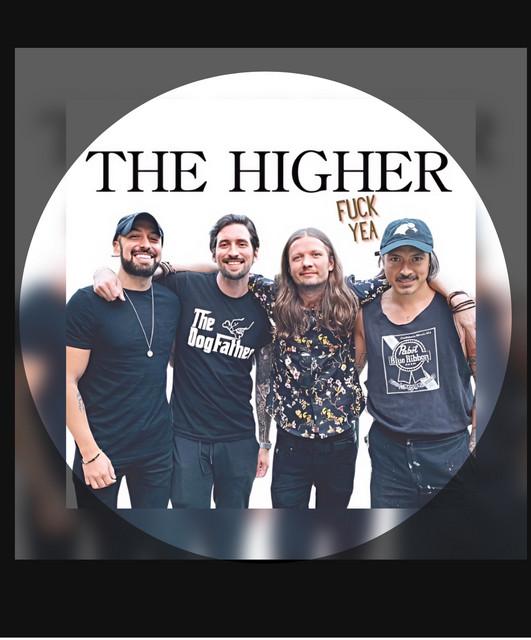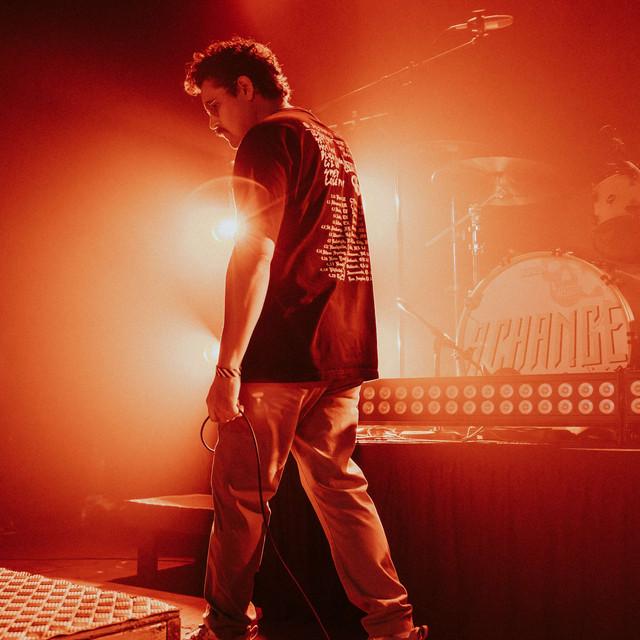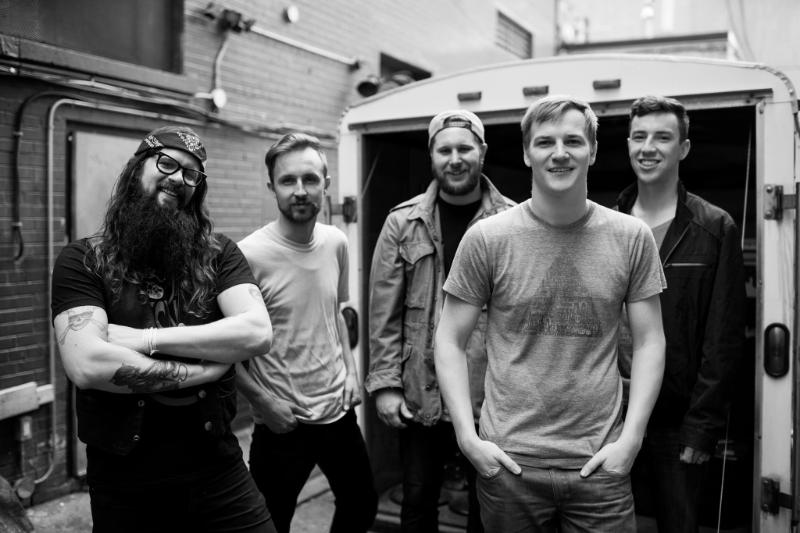
Ten Second Epic

Punk
Pop Punk
Hardcore Punk
 Viberate Rank: 294737
 Viberate Rank: 294737
 Monthly ListenersFollowers
 Subscribers
 Followers
 Followers
 FansTop Spotify Songs
| Track | 7-Day Streams | |
|---|---|---|
1 | 945 | |
2 | 553 | |
3 | 327 | |
4 | 281 | |
5 | 264 |
Top YouTube VideosMonthly ListenersFeatured in Playlists| Playlist | Followers | |
|---|---|---|
1 |  Big Shiny Tunes 1-14 (Complete) Andrew Kurjata | 35.70K |
2 |  Scene Kid MySpace Throwbacks Kitty Voorhees | 11.83K |
3 |  HOLLANOV T | 7.70K |
4 |  Big Shiny Tunes 1-14, 90s, 80s Napalm Frog | 6.93K |
5 |  Party Like American Pie! Alexander Chmiel | 4.99K |
Audience| City | Monthly Listeners | |
|---|---|---|
1 | | 564 |
2 | | 521 |
3 | | 459 |
4 | | 210 |
5 | | 202 |
See full performance history, audience data, playlist activity, rankings, comparisons, and more in Viberate music analytics. Start with a free trial, then continue with a paid plan.
Ten Second Epic’s Spotify BioPlaying alternative pop/rock (with some emo tendencies), Ten Second Epic hail from the city of Edmonton, Alberta, Canada. Like many acts, the guys were simply high-school friends who began playing music together in the early 2000s and eventually chose to go at the whole band thing full-time. Comprised of vocalist Andrew Usenik, guitarists Craig Spelliscy and Daniel Carriere, drummer Patrick Birtles, and bassist Sandy MacKinnon, Ten Second Epic self-released the EP One More for the Road in 2004. Their local support grew steadily and the guys gained the support of an area radio station, which certainly helped spread their name. Gigs also helped, and they made appearances on the 2004 and 2005 Warped Tour, in addition to crossing Canada a handful of times on their own. Ten Second Epic garnered the attention of Black Box Recordings (Universal Music), inking a deal with the imprint and releasing the album Count Yourself In in the fall of 2006; the record was produced by GGGarth Richardson (R…ise Against, Red Hot Chili Peppers), and one of the band's songs was later nominated for Best Independent Video at the 2007 MuchMusic Video Awards. ~ Corey Apar, Rovi
Viberate is a music analytics platform built for A&Rs, artist managers, labels, booking agents, marketers, and artists.
It helps music professionals track artist growth, analyze audience data, monitor playlist activity, compare artists, follow song performance, and identify opportunities across the music market.
Public artist pages provide a free preview of selected artist data. Paid plans provide access to deeper analytics, historical data, charts, comparisons, playlist tools, exports, alerts, reports, and additional professional features.
Yes. Public Viberate artist pages provide selected artist analytics and music data for free.
Viberate also offers a 7-day free trial of the full platform. A credit card is required to start the trial. The trial includes access to the complete product so users can test deeper artist analytics, historical views, playlist insights, comparisons, charts, exports, alerts, and reporting features before choosing a paid plan.
Viberate provides artist analytics across streaming, playlists, social media, video, radio airplay, songs, and audience markets.
Users can analyze Spotify performance, Spotify and Apple Music playlists, YouTube activity, TikTok and Instagram growth, radio spins, song performance, audience locations, demographics, rankings, and overall artist momentum.
Artist profiles also connect to music charts, similar artists, and comparison tools, helping users benchmark performance and evaluate artists in context.
Viberate updates key artist and track data daily.
For followed artists and tracks, selected data is refreshed multiple times per day. This helps teams monitor playlist changes, streaming movement, audience growth, releases, and campaign performance with more current data.
Update frequency can vary depending on the metric and data source.
Yes. Viberate lets users compare up to five artists side by side across streaming, social media, audience, and engagement metrics.
Users can compare fanbase growth, audience demographics, locations, Spotify performance, social metrics, and other artist data over selected time periods.
Artist comparison can be used for A&R scouting, benchmarking, booking decisions, campaign planning, and evaluating artists with similar audiences or market positions.