The Postmarks

Rock
Indie Rock
 Viberate Rank: 181778
 Viberate Rank: 181778
 Monthly ListenersFollowers
 Subscribers
 Followers
 Followers
 FansTop Spotify Songs
| Track | 7-Day Streams | |
|---|---|---|
1 | 6.57K | |
2 | 4.28K | |
3 | 1.63K | |
4 | 991 | |
5 | 883 |
Top YouTube VideosMonthly ListenersFeatured in Playlists| Playlist | Followers | |
|---|---|---|
1 | Pretty Little Liars Complete Soundtrack Taylor Roberts | 24.46K |
2 | Lee Moore | 16.03K |
3 | Coffee Shop Playlist Josephine Lee | 9.62K |
4 |  The Sound of Twee Pop The Sounds of Spotify | 7.04K |
5 |  pov: you’re in miraculous ladybug meya | 6.79K |
Audience| City | Monthly Listeners | |
|---|---|---|
1 | | 817 |
2 | | 571 |
3 | | 503 |
4 | | 409 |
5 | | 366 |
See full performance history, audience data, playlist activity, rankings, comparisons, and more in Viberate music analytics. Start with a free trial, then continue with a paid plan.
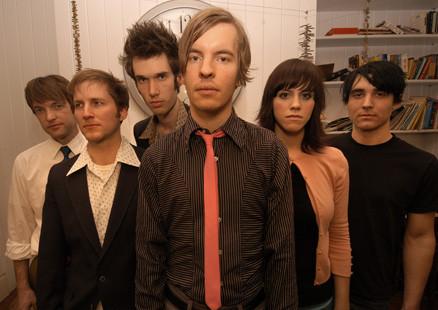
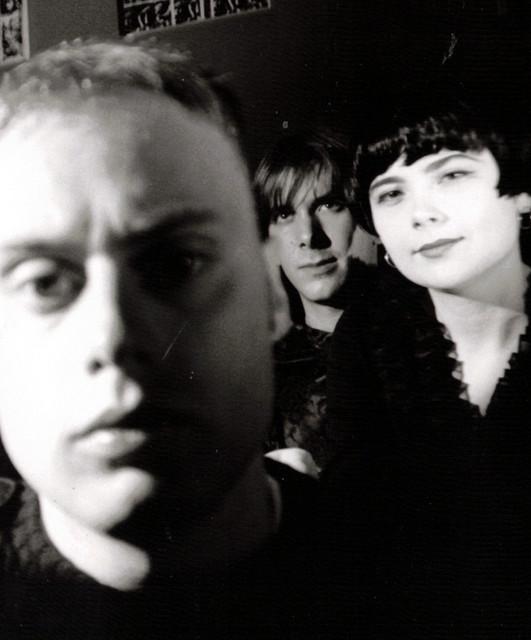
The Postmarks’ Spotify BioSouth Florida pop trio the Postmarks formed in 2004 when Christopher Moll and Jonathan Wilkins, who had collaborated previously in the group See Venus, signed up singer Tim Yehezkely and began recording together. Moll and Wilkins' interest in soundtrack music, lush easy listening sounds, and orchestrated pop was a perfect fit with Yehezkely's breathy vocals and her melancholy lyrics. The group retreated to Moll's home studio in early 2005 and began recording tracks for an album. The resulting songs gained musician fans like Richard Hawley and the High Llamas' Sean O'Hagan, but more importantly for the band, Andy Chase (of Ivy) became a fan, signed them to his Unfiltered label, and went to work mixing their album. Before their full-length surfaced, however, a remix EP was released in 2006 featuring reworkings by Chase and some of his friends, like James Iha and Tahiti 80. Their self-titled debut album was released in January of 2007, and the band (bolstered for live shows by Brian Hill… on bass and Jeff Wagner on keyboards) spent the rest of the year touring and raking in critical accolades. In 2008 they had the novel idea to release a new song each month (via Emusic) with each month represented by a cover version of a song with a number in it; January was "One Note Samba," February was "You Only Live Twice," and so on. In November the songs were collected on CD under the title By-the-Numbers. Meanwhile the band had begun work on their next album, Memoirs at the End of the World. Featuring the same core lineup, plus a number of guests, the album was released in September of 2009 and featured a much more elaborate and cinematic brand of indie pop that drew inspiration from '60s film music. ~ Tim Sendra, Rovi
Viberate is a music analytics platform built for A&Rs, artist managers, labels, booking agents, marketers, and artists.
It helps music professionals track artist growth, analyze audience data, monitor playlist activity, compare artists, follow song performance, and identify opportunities across the music market.
Public artist pages provide a free preview of selected artist data. Paid plans provide access to deeper analytics, historical data, charts, comparisons, playlist tools, exports, alerts, reports, and additional professional features.
Yes. Public Viberate artist pages provide selected artist analytics and music data for free.
Viberate also offers a 7-day free trial of the full platform. A credit card is required to start the trial. The trial includes access to the complete product so users can test deeper artist analytics, historical views, playlist insights, comparisons, charts, exports, alerts, and reporting features before choosing a paid plan.
Viberate provides artist analytics across streaming, playlists, social media, video, radio airplay, songs, and audience markets.
Users can analyze Spotify performance, Spotify and Apple Music playlists, YouTube activity, TikTok and Instagram growth, radio spins, song performance, audience locations, demographics, rankings, and overall artist momentum.
Artist profiles also connect to music charts, similar artists, and comparison tools, helping users benchmark performance and evaluate artists in context.
Viberate updates key artist and track data daily.
For followed artists and tracks, selected data is refreshed multiple times per day. This helps teams monitor playlist changes, streaming movement, audience growth, releases, and campaign performance with more current data.
Update frequency can vary depending on the metric and data source.
Yes. Viberate lets users compare up to five artists side by side across streaming, social media, audience, and engagement metrics.
Users can compare fanbase growth, audience demographics, locations, Spotify performance, social metrics, and other artist data over selected time periods.
Artist comparison can be used for A&R scouting, benchmarking, booking decisions, campaign planning, and evaluating artists with similar audiences or market positions.