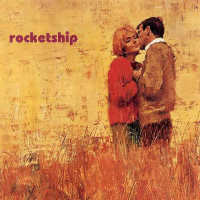
Rocketship

Pop
Indie Pop
Indie Rock
 Viberate Rank: 119629
 Viberate Rank: 119629
 Monthly ListenersFollowers
 Subscribers
 Followers
 Followers
 FansTop Spotify Songs
| Track | 7-Day Streams | |
|---|---|---|
1 | 12.53K | |
2 | 12.18K | |
3 | 11.06K | |
4 | 8.67K | |
5 | 7.92K |
Top YouTube VideosMonthly ListenersFeatured in Playlists| Playlist | Followers | |
|---|---|---|
1 |  peter parker’s ipod shuffle carissa ౨ৎ | 16.71K |
2 |  doomer /nightdrive/ Michael Landicho | 13.51K |
3 |  autumn albums margeaux | 11.75K |
4 |  KEXP's Song of the Day 2020 KEXP | 9.42K |
5 | 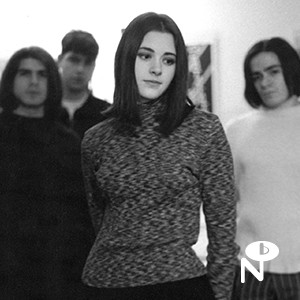 Numero Group Guide to Dreampop Numero Group | 8.90K |
Audience| City | Monthly Listeners | |
|---|---|---|
1 | | 3.21K |
2 | | 2.04K |
3 | | 1.86K |
4 | | 1.50K |
5 | | 1.23K |
See full performance history, audience data, playlist activity, rankings, comparisons, and more in Viberate music analytics. Start with a free trial, then continue with a paid plan.
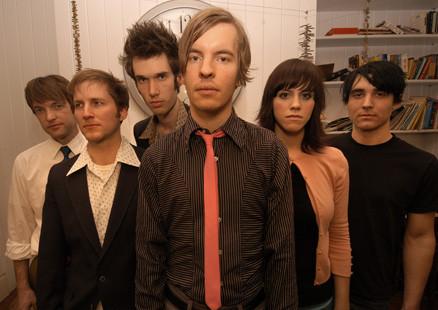
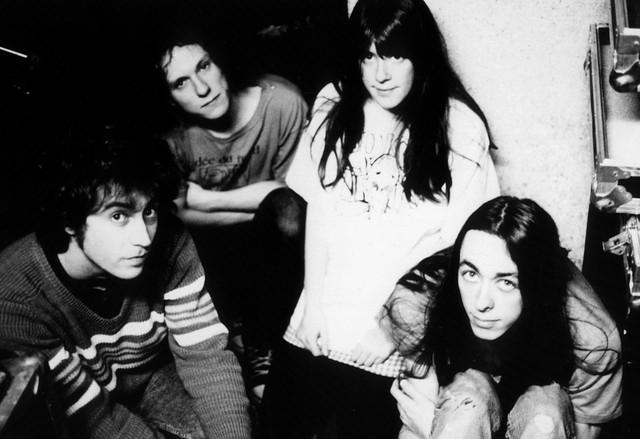
Rocketship’s Spotify BioUsing the name Rocketship, singer/guitarist Dustin Reske has been making sweet and super melodic indie pop at a high level since the early '90s. Their 1996 album A Certain Smile, A Certain Sadness combines soft melodies and noisy interludes with space age pop organs, layers of jangling guitars, and plaintive vocals to make a definitive statement that captures the wistful, happily adventurous spirit of mid-'90s indie pop. After a series of left turns (1998's ambient album Garden of Delights, numerous membership changes) and a long spell where Reske didn't record, the band returned in the mid-2010s to make music that looked back to their past but also forged a new path forward, as 2019's Thanks to You clearly illustrates.
After being inspired by a spin of Felt's organ-heavy "Song for William S. Harvey," Reske formed Rocketship in Sacramento, California, with bassist Verna Brock, keyboardist Heidi Barney, and drummer Jim Rivas. Following the release of a pair of singles on the influential …Bus Stop label -- "Hey, Hey Girl" in 1994, "Honey, I Need You" in 1995 -- the group issued the acclaimed A Certain Smile, A Certain Sadness for Slumberland in 1996. The original lineup dissolved soon after, and Reske continued Rocketship essentially as a solo project with a revolving cast of musicians. A handful of singles followed, including a split with Henry's Dress, before the band released the ambient-influenced 12" Garden of Delights on Drive-In Records in 1998.
The group sporadically issued music over the next few years, releasing a split 12" EP with the band Trace on Omnibus Records in 2003 and then the self-released 2006 album Here Comes...Rocketship. After that, Reske turned towards non-musical pursuits that mainly focused around community activism and launching an eco-focused lawn care company in Portland.
In the mid-2010s, Reske began releasing songs again on digital platforms. He recorded a track for a split single with Pia Fraus, oversaw the reissue of A Certain Smile, A Certain Sadness, and found vocalist Ellen Osborn, who quickly became a vital part of the band's sound. The pair, along with drummer Adam Bayer, bassist Angie Fritz, and the band's original drummer, Jim Rivas, collaborated on a long-overdue third album. Harkening back to the classic Rocketship sound and adding elements of electronic music, disco, and dream pop, Thanks to You was issued by Darla Records in late 2019. ~ Tim Sendra & Jason Ankeny
Viberate is a music analytics platform built for A&Rs, artist managers, labels, booking agents, marketers, and artists.
It helps music professionals track artist growth, analyze audience data, monitor playlist activity, compare artists, follow song performance, and identify opportunities across the music market.
Public artist pages provide a free preview of selected artist data. Paid plans provide access to deeper analytics, historical data, charts, comparisons, playlist tools, exports, alerts, reports, and additional professional features.
Yes. Public Viberate artist pages provide selected artist analytics and music data for free.
Viberate also offers a 7-day free trial of the full platform. A credit card is required to start the trial. The trial includes access to the complete product so users can test deeper artist analytics, historical views, playlist insights, comparisons, charts, exports, alerts, and reporting features before choosing a paid plan.
Viberate provides artist analytics across streaming, playlists, social media, video, radio airplay, songs, and audience markets.
Users can analyze Spotify performance, Spotify and Apple Music playlists, YouTube activity, TikTok and Instagram growth, radio spins, song performance, audience locations, demographics, rankings, and overall artist momentum.
Artist profiles also connect to music charts, similar artists, and comparison tools, helping users benchmark performance and evaluate artists in context.
Viberate updates key artist and track data daily.
For followed artists and tracks, selected data is refreshed multiple times per day. This helps teams monitor playlist changes, streaming movement, audience growth, releases, and campaign performance with more current data.
Update frequency can vary depending on the metric and data source.
Yes. Viberate lets users compare up to five artists side by side across streaming, social media, audience, and engagement metrics.
Users can compare fanbase growth, audience demographics, locations, Spotify performance, social metrics, and other artist data over selected time periods.
Artist comparison can be used for A&R scouting, benchmarking, booking decisions, campaign planning, and evaluating artists with similar audiences or market positions.