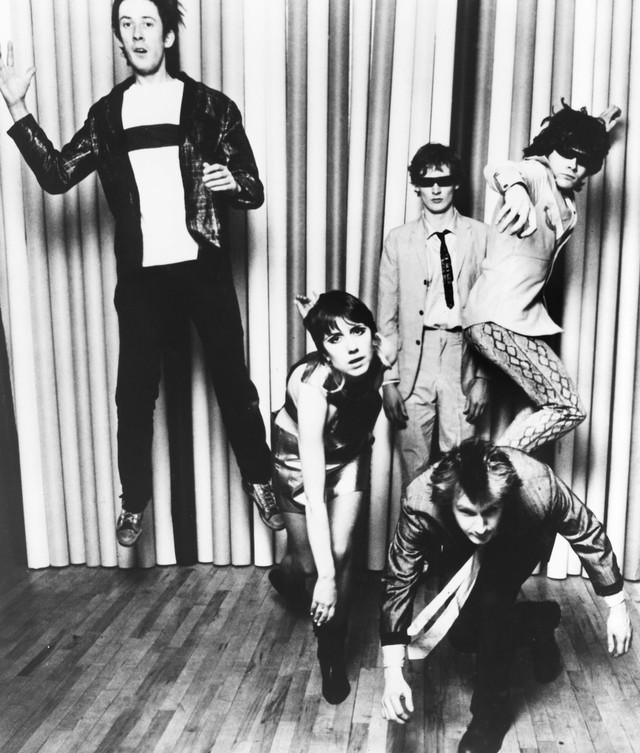
THE ONLY ONES

Rock
Alternative Rock
Power Pop
 Viberate Rank: 100244
 Viberate Rank: 100244
 Monthly ListenersFollowers
 Subscribers
 Followers
 Followers
 FansTop Spotify Songs
| Track | 7-Day Streams | |
|---|---|---|
1 | 47.33K | |
2 | 2.20K | |
3 | 1.52K | |
4 | 1.52K | |
5 | 1.38K |
Top YouTube VideosMonthly ListenersFeatured in Playlists| Playlist | Followers | |
|---|---|---|
1 |  Alternative 70s Spotify | 451.35K |
2 |  Power Pop Spotify | 165.55K |
3 |  Punk Classics Filtr Legacy Sweden | 73.27K |
4 |  COUNTER//CULTURE: Mannequin Pussy Spotify | 31.51K |
5 |  Headbangers Club The Viral Charts | 29.28K |
Audience| City | Monthly Listeners | |
|---|---|---|
1 | | 6.08K |
2 | | 3.19K |
3 | | 1.88K |
4 |  | 1.86K |
5 | | 1.76K |
See full performance history, audience data, playlist activity, rankings, comparisons, and more in Viberate music analytics. Start with a free trial, then continue with a paid plan.
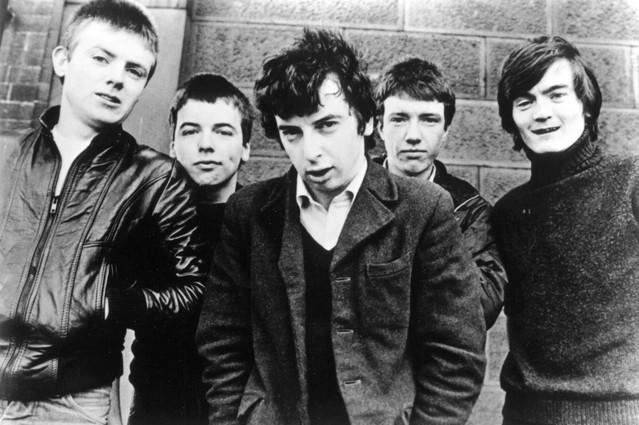
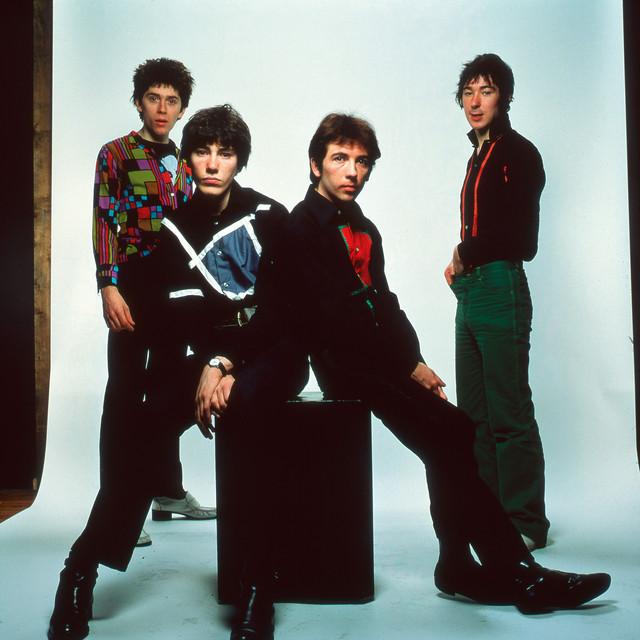
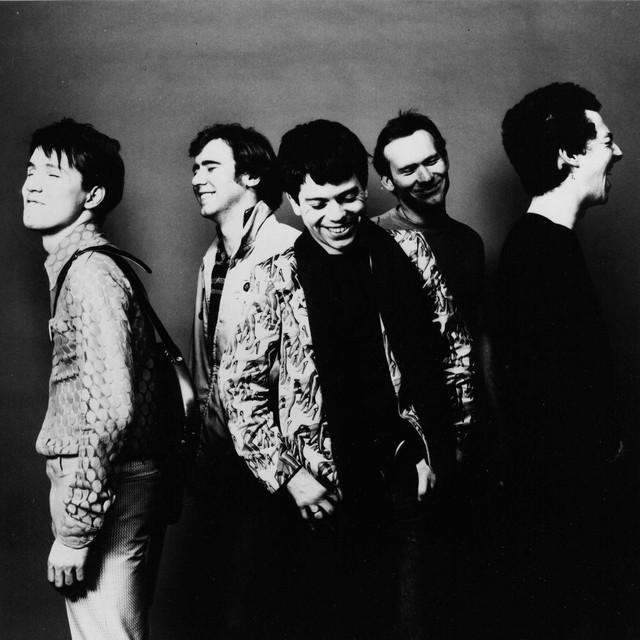
THE ONLY ONES’ Spotify BioLed by the raffish and slightly scuzzy romance-obsessed Peter Perrett, the Only Ones were one of the punk era's most underrated bands. Not as confrontational as the Sex Pistols, as politically indulgent as the Clash, or as stripped-down as the Ramones, the Only Ones played not-so-fast guitar rock that sounded deeply indebted to the New York Dolls and other mid-'70s proto-punks. Singing his intelligently crafted pop songs in a semi-tuneful whine of a voice and backed by a band that effectively combined youthful exuberance with gracefully aging veterans (non-punk drummer Mike Kellie had done time with early-'70s clod-rockers Spooky Tooth, bassist Alan Mair was nearly 40), Perrett was an astute chronicler of the vagaries of modern, dysfunctional love. Despite a career that lasted from 1978-1981 and one certifiable "hit" song to their credit (the brilliant "Another Girl, Another Planet"), the Only Ones became the archetypal contenders that never broke big, despite assurances from fans and… critics that they couldn't miss.
Although they split up in 1981 after only three records, the Only Ones, due in large part to "Another Girl, Another Planet," became more influential than one would have guessed. Listen to Paul Westerberg and you'll hear more than a little Peter Perrett (in fact, the Replacements covered "Another Girl"); look at the number of Only Ones releases over the past decade (a half-dozen at least) and you soon realize that a significant cult surrounding the band grew after their breakup. Ironically, it was the posthumous release of the sessions for John Peel's BBC show that, more than any of the proper studio releases, accurately displayed the muscle and smarts of this fine band. There have been many rumors surrounding Perrett's life after the Only Ones, many of them involving an alleged heroin addiction. Perrett did continue to record and release solo projects during the '80s, including a project known as the One in the mid-'90s. ~ John Dougan, Rovi
Viberate is a music analytics platform built for A&Rs, artist managers, labels, booking agents, marketers, and artists.
It helps music professionals track artist growth, analyze audience data, monitor playlist activity, compare artists, follow song performance, and identify opportunities across the music market.
Public artist pages provide a free preview of selected artist data. Paid plans provide access to deeper analytics, historical data, charts, comparisons, playlist tools, exports, alerts, reports, and additional professional features.
Yes. Public Viberate artist pages provide selected artist analytics and music data for free.
Viberate also offers a 7-day free trial of the full platform. A credit card is required to start the trial. The trial includes access to the complete product so users can test deeper artist analytics, historical views, playlist insights, comparisons, charts, exports, alerts, and reporting features before choosing a paid plan.
Viberate provides artist analytics across streaming, playlists, social media, video, radio airplay, songs, and audience markets.
Users can analyze Spotify performance, Spotify and Apple Music playlists, YouTube activity, TikTok and Instagram growth, radio spins, song performance, audience locations, demographics, rankings, and overall artist momentum.
Artist profiles also connect to music charts, similar artists, and comparison tools, helping users benchmark performance and evaluate artists in context.
Viberate updates key artist and track data daily.
For followed artists and tracks, selected data is refreshed multiple times per day. This helps teams monitor playlist changes, streaming movement, audience growth, releases, and campaign performance with more current data.
Update frequency can vary depending on the metric and data source.
Yes. Viberate lets users compare up to five artists side by side across streaming, social media, audience, and engagement metrics.
Users can compare fanbase growth, audience demographics, locations, Spotify performance, social metrics, and other artist data over selected time periods.
Artist comparison can be used for A&R scouting, benchmarking, booking decisions, campaign planning, and evaluating artists with similar audiences or market positions.