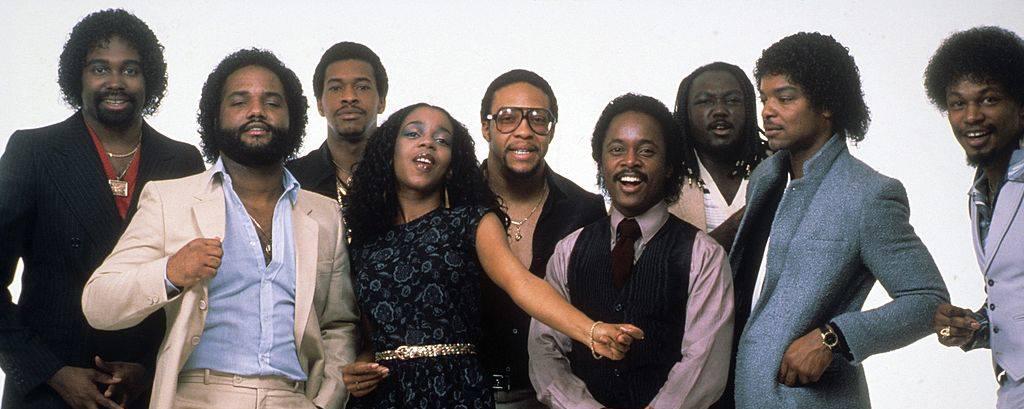
Rose Royce

R&B
Contemporary R&B
Soul
Funk
 Viberate Rank: 18609
 Viberate Rank: 18609
 Monthly ListenersFollowers
 Subscribers
 Followers
 Followers
 FansTop Spotify Songs
| Track | 7-Day Streams | |
|---|---|---|
1 | 431.09K | |
2 | 167.68K | |
3 | 115.80K | |
4 | 90.50K | |
5 | 47.54K |
Top YouTube VideosMonthly ListenersFeatured in Playlists| Playlist | Followers | |
|---|---|---|
1 |  Love Deluxe Spotify | 2.53M |
2 |  Disco Forever Spotify | 1.62M |
3 |  Soft 70s Spotify | 1.19M |
4 |  70s Party Spotify | 833.88K |
5 |  Euphoria Soundtrack Season 1, 2 & 3 - All Songs JudasVargas | 749.94K |
Audience| City | Monthly Listeners | |
|---|---|---|
1 | | 38.80K |
2 |  | 35.19K |
3 | | 22.04K |
4 | | 18.48K |
5 | | 16.82K |
See full performance history, audience data, playlist activity, rankings, comparisons, and more in Viberate music analytics. Start with a free trial, then continue with a paid plan.
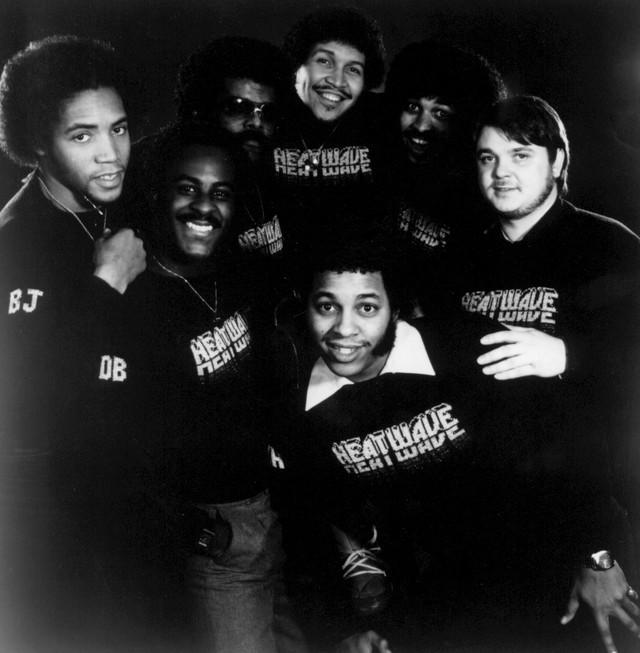
Rose Royce’s Spotify BioRose Royce -- the Los Angeles-based group comprised of Henry Garner (drums); Terral "Terry" Santiel (congas); Lequeint "Duke" Jobe (bass); Michael Moore (saxophone); Gwen Dickey, performing with the group using the stage name Rose Norwalt (lead vocals); Kenny Copeland (trumpet, lead vocals); Kenji Brown (guitar, lead vocals); Freddie Dunn (trumpet); and Michael Nash (keyboards) -- were actually formed by Copeland and Garner. Both were preparing for graduation from high school, and contemplating their careers. Joined by Dunn and Moore, the two decided to go the route of the music business under the name Total Concept Unlimited (and later as Magic Wand). They auditioned for Edwin Starr, and he hired them as his backup band.
The group's association with Starr enabled them to interact with numerous music industry personalities. One in particular was Motown producer Norman Whitfield. Whitfield gradually became associated with the group by hiring it for recording sessions; the group also… worked with Yvonne Fair, the Undisputed Truth, and the Temptations through Whitfield's influence. After a couple of years of seasoning, the group began production on its debut album under Whitfield's supervision. Also during this time, MCA Records was seeking an artist for the soundtrack to the movie Car Wash. Whitfield convinced executives that the band was more than competent for the job. So the material that Whitfield had assembled for the group's debut album became the soundtrack's material.
The movie Car Wash and the soundtrack were big hits, and they also propelled the group, now known as Rose Royce, into national recognition. Released in late 1976, the soundtrack featured three Billboard R&B Top Ten singles: "Car Wash," "I Wanna Get Next to You," and "I'm Going Down." The former was also a number one single on the Billboard pop charts. To offset any negative rhetoric regarding its legitimacy, the group released its follow-up album, Rose Royce II: In Full Bloom, and bloom it did. The group returned to the Top Ten with "Do Your Dance" and "Ooh Boy," silencing all critics. In 1978, they released their third album, entitled Rose Royce III: Strikes Again!, and it featured "I'm in Love (And I Love the Feeling)" and "Love Don't Live Here Anymore." Both singles cracked the Billboard R&B Top Five.
Rose Royce followed with a string of hits that roamed the charts, but never gained the chart status that their previous songs did. They became very popular in England and have remained a marquee attraction there. ~ Craig Lytle, Rovi
Viberate is a music analytics platform built for A&Rs, artist managers, labels, booking agents, marketers, and artists.
It helps music professionals track artist growth, analyze audience data, monitor playlist activity, compare artists, follow song performance, and identify opportunities across the music market.
Public artist pages provide a free preview of selected artist data. Paid plans provide access to deeper analytics, historical data, charts, comparisons, playlist tools, exports, alerts, reports, and additional professional features.
Yes. Public Viberate artist pages provide selected artist analytics and music data for free.
Viberate also offers a 7-day free trial of the full platform. A credit card is required to start the trial. The trial includes access to the complete product so users can test deeper artist analytics, historical views, playlist insights, comparisons, charts, exports, alerts, and reporting features before choosing a paid plan.
Viberate provides artist analytics across streaming, playlists, social media, video, radio airplay, songs, and audience markets.
Users can analyze Spotify performance, Spotify and Apple Music playlists, YouTube activity, TikTok and Instagram growth, radio spins, song performance, audience locations, demographics, rankings, and overall artist momentum.
Artist profiles also connect to music charts, similar artists, and comparison tools, helping users benchmark performance and evaluate artists in context.
Viberate updates key artist and track data daily.
For followed artists and tracks, selected data is refreshed multiple times per day. This helps teams monitor playlist changes, streaming movement, audience growth, releases, and campaign performance with more current data.
Update frequency can vary depending on the metric and data source.
Yes. Viberate lets users compare up to five artists side by side across streaming, social media, audience, and engagement metrics.
Users can compare fanbase growth, audience demographics, locations, Spotify performance, social metrics, and other artist data over selected time periods.
Artist comparison can be used for A&R scouting, benchmarking, booking decisions, campaign planning, and evaluating artists with similar audiences or market positions.