The Mountain Movers

Rock
Indie Rock
Space Rock
 Viberate Rank: 573171
 Viberate Rank: 573171
 Monthly ListenersFollowers
 Subscribers
 Followers
 Followers
 FansTop Spotify Songs
| Track | 7-Day Streams | |
|---|---|---|
1 | 13 | |
2 | 12 | |
3 | 10 | |
4 | 10 | |
5 | 9 |
Top YouTube VideosMonthly ListenersFeatured in Playlists| Playlist | Followers | |
|---|---|---|
1 | space rock & psychedelia Edson Alejandro Adame | 8.05K |
2 |  Matador Recommends Matador Records | 4.81K |
3 |  Psych Rock / Neo Psych / Garage (Instagram: @psychheads) PsychHeads | 2.12K |
4 |  WFMU's Heavily Played Records - 2020s Edition WFMU | 1.93K |
Audience| City | Monthly Listeners | |
|---|---|---|
1 | | 6 |
2 | | 5 |
3 |  | 5 |
4 | | 4 |
5 | | 4 |
See full performance history, audience data, playlist activity, rankings, comparisons, and more in Viberate music analytics. Start with a free trial, then continue with a paid plan.
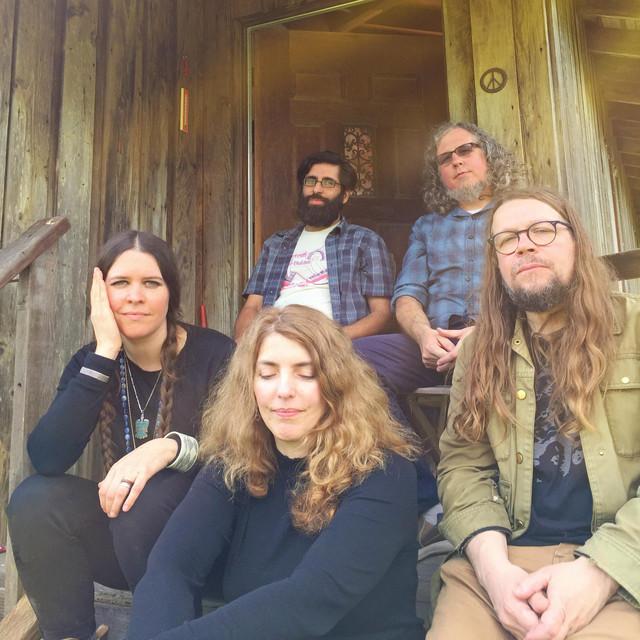
The Mountain Movers’ Spotify BioThough they started in the mid-2000s as a folky, very intimate outlet for the songs of Daniel Greene of long-running indie pop group the Butterflies of Love, Mountain Movers have evolved over the years into a guitar-heavy mix of psychedelic exploration and melodic indie rock, especially once guitarist Kryssi Battalene joined the band in the early 2010s. They released a series of singles that featured her fiery guitar work and Greene's searching melodies, taking their ragged sound to new realms with 2015's powerful album Death Magic. After pairing with Trouble in Mind records, the band went even deeper into distortion and drifting jams on albums like 2021's World What World, and 2024 double album Walking After Dark, a collection split equally between composed songs and group improvisation.
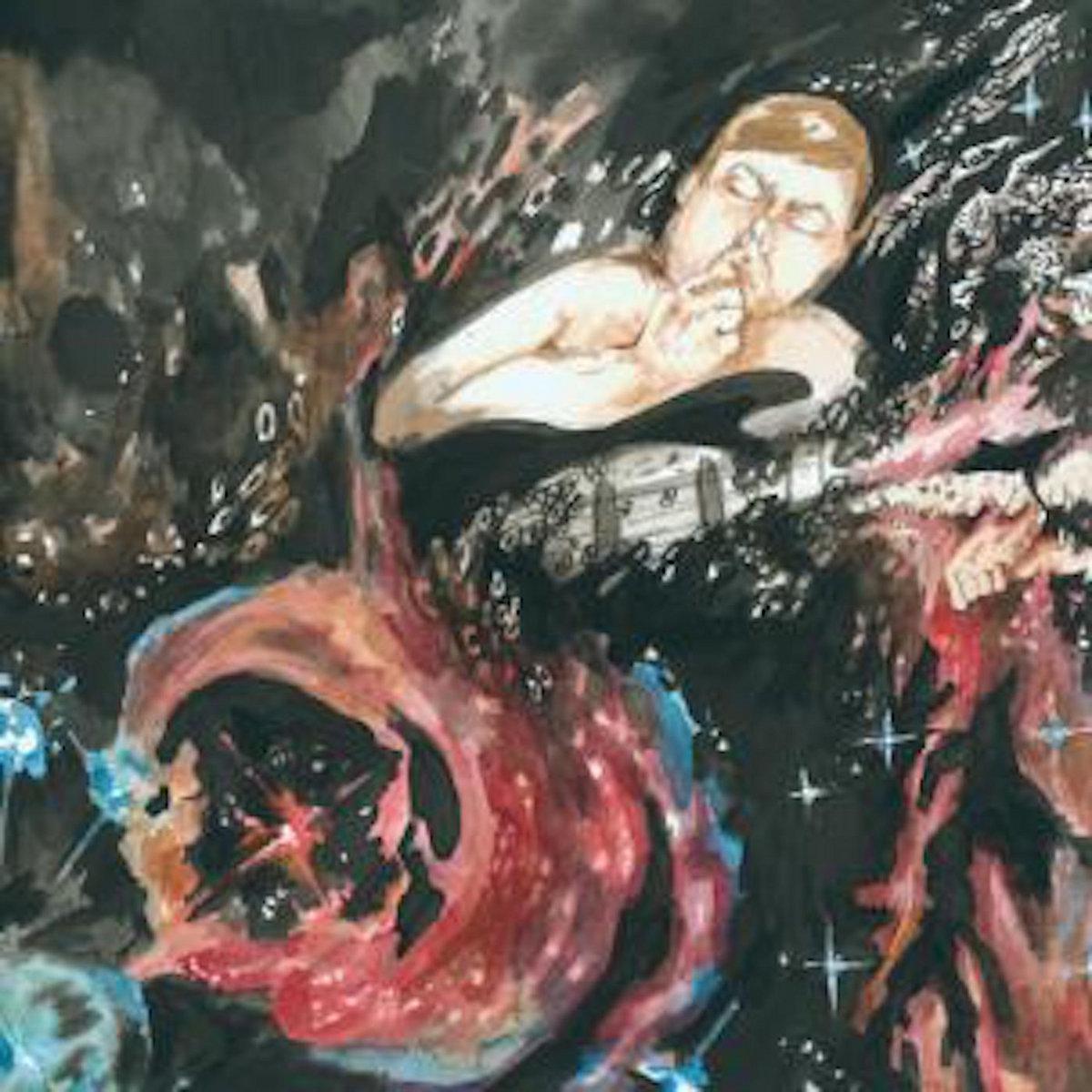
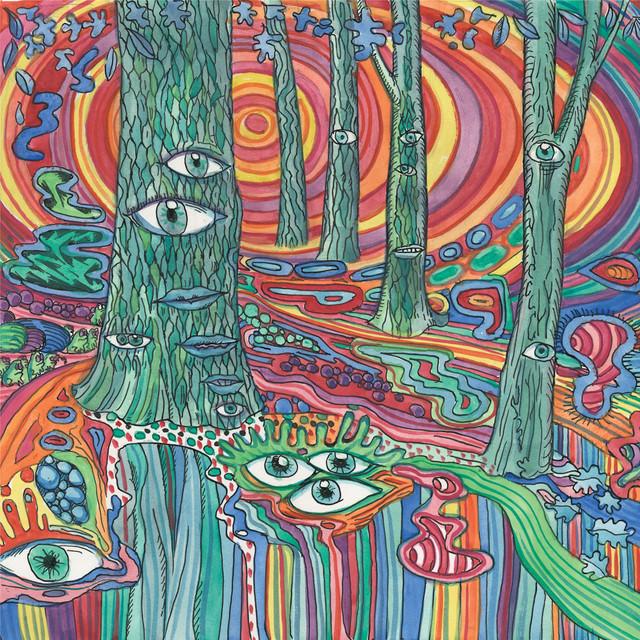
Mountain Movers formed in New Haven, Connecticut by singer, songwriter, and guitarist Daniel Greene. Previously, Greene and longtime collaborator Jeff Greene (no relation) had found success,… particularly in the U.K., with their indie pop band the Butterflies of Love, who released several albums for the London-based Fortuna POP! label. By the mid-2000s, Greene had amassed a lengthy catalog of solo songs and enlisted a rotating cast of New Haven musicians to record We've Walked in Hell and There Is Life After Death, an introspective yet spirited collection that melded streamlined indie rock and elements of soul and alt-country. Released in 2006 on regional label Safety Meeting Records, it would serve as Mountain Movers' debut and was followed up a year later by the slightly heavier Let's Open Up the Chest. More disparate and psychedelic influences crept into Greene's sound with 2009's The Day Calls Out for You and 2010's home-recorded Apple Mountain. After that release, the band solidified into a steady lineup featuring bassist Rick Omonte, drummer Ross Menze, and lead guitarist Kryssi Battalene, who was also in the bands Colorguard, Medication, and Headroom. With a newly heavy guitar sound, the group began a series of experimental small releases including a number of cassettes, 7" singles, and a lathe-cut record. Following 2015's sprawling Death Magic LP, Mountain Movers signed with Chicago indie Trouble in Mind Records and began recording their eponymous sixth album, which was more improvised and experimental in nature. It was released in early 2017, after which the band toured and continued to expand their sound into looser and freer reaches, finding the midway point between the rootsy guitar-driven rock of Crazy Horse-aided Neil Young and far noisier acts like Les Rallizes Denudes. In 2018, they toured with Howlin' Rain, released an August EP titled New Jam, and in October issued their seventh album, Pink Skies. It would be three years before Mountain Movers returned in 2021 with eighth album World What World. This collection of songs was cut from a similarly noisy sonic cloth as the albums leading up to it, but leaned more into subtle dynamics as the lyrics took on a somewhat introspective and world-weary tone. The band's ninth album, Walking After Dark, was released in 2024. The double album was recorded, mixed, and performed by the band themselves, and ping-ponged between hazy psychedelic tunes and lengthy group jams. ~ Timothy Monger, Rovi
Viberate is a music analytics platform built for A&Rs, artist managers, labels, booking agents, marketers, and artists.
It helps music professionals track artist growth, analyze audience data, monitor playlist activity, compare artists, follow song performance, and identify opportunities across the music market.
Public artist pages provide a free preview of selected artist data. Paid plans provide access to deeper analytics, historical data, charts, comparisons, playlist tools, exports, alerts, reports, and additional professional features.
Yes. Public Viberate artist pages provide selected artist analytics and music data for free.
Viberate also offers a 7-day free trial of the full platform. A credit card is required to start the trial. The trial includes access to the complete product so users can test deeper artist analytics, historical views, playlist insights, comparisons, charts, exports, alerts, and reporting features before choosing a paid plan.
Viberate provides artist analytics across streaming, playlists, social media, video, radio airplay, songs, and audience markets.
Users can analyze Spotify performance, Spotify and Apple Music playlists, YouTube activity, TikTok and Instagram growth, radio spins, song performance, audience locations, demographics, rankings, and overall artist momentum.
Artist profiles also connect to music charts, similar artists, and comparison tools, helping users benchmark performance and evaluate artists in context.
Viberate updates key artist and track data daily.
For followed artists and tracks, selected data is refreshed multiple times per day. This helps teams monitor playlist changes, streaming movement, audience growth, releases, and campaign performance with more current data.
Update frequency can vary depending on the metric and data source.
Yes. Viberate lets users compare up to five artists side by side across streaming, social media, audience, and engagement metrics.
Users can compare fanbase growth, audience demographics, locations, Spotify performance, social metrics, and other artist data over selected time periods.
Artist comparison can be used for A&R scouting, benchmarking, booking decisions, campaign planning, and evaluating artists with similar audiences or market positions.