Dire Wolves

Rock
Psychedelic Rock
Space Rock
 Viberate Rank: 614305
 Viberate Rank: 614305
 Monthly ListenersFollowers
 Subscribers
 Followers
 Followers
 FansTop Spotify Songs
| Track | 7-Day Streams | |
|---|---|---|
1 | 7 | |
2 | 6 | |
3 | 6 | |
4 | 5 | |
5 | 3 |
Top YouTube VideosMonthly ListenersFeatured in Playlists| Playlist | Followers | |
|---|---|---|
1 |  Matador Recommends Matador Records | 4.81K |
2 |  Psych Rock / Neo Psych / Garage (Instagram: @psychheads) PsychHeads | 2.12K |
3 |  WFMU's Heavily Played Records - 2020s Edition WFMU | 1.93K |
4 |  Year In Review 2023 Aquarium Drunkard | 1.88K |
5 | Stuart Maconie's Freak Zone 🔊 (BBC 6 Music) reacharound98 | 1.12K |
Audience| City | Monthly Listeners | |
|---|---|---|
1 |  | 3 |
2 | | 3 |
3 |  | 3 |
See full performance history, audience data, playlist activity, rankings, comparisons, and more in Viberate music analytics. Start with a free trial, then continue with a paid plan.
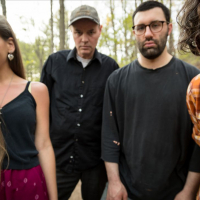
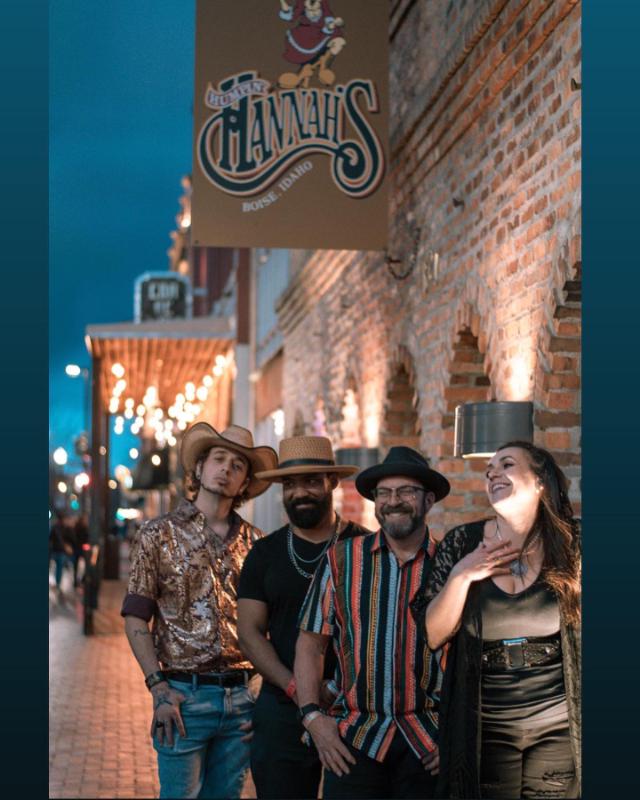
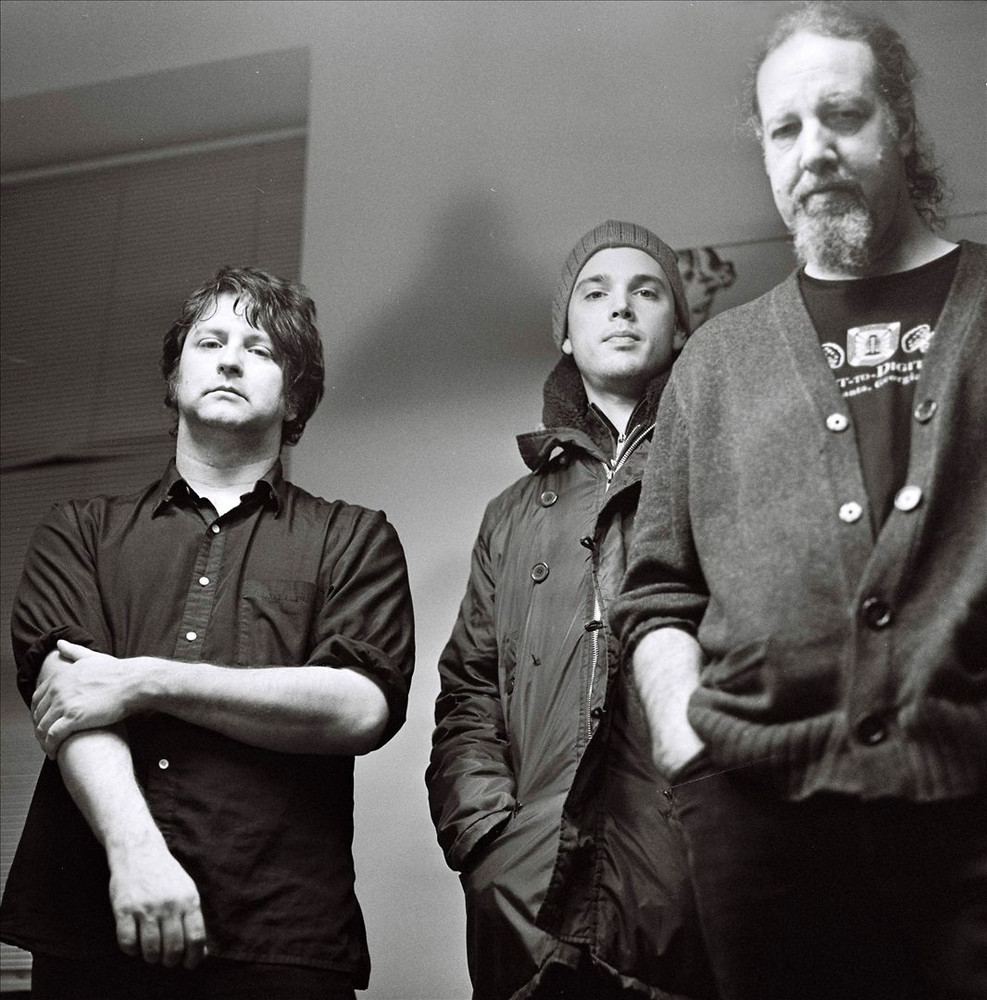
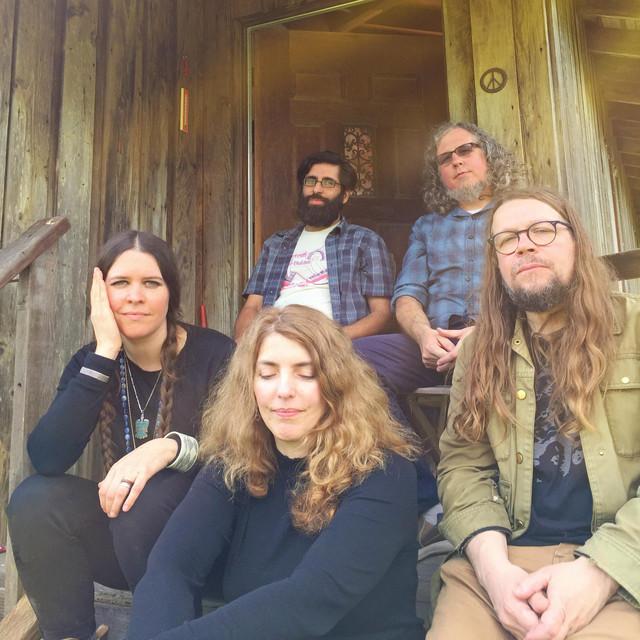
Dire Wolves’ Spotify BioA spacy, experimental collective of musicians based in San Francisco, Dire Wolves combine free-flowing improvisation and exploratory psych-rock to create a cosmic sound that ranges from trance-like drones to colorful, swirling rock and avant jazz-folk. The band's central figure is multi-instrumentalist Jeffrey Alexander, a former Deadhead who, since founding Dire Wolves in 2009, has guided them through a prolific assortment of small D.I.Y. releases, compilations, bootlegs, and cassettes, as well as more prominent full-lengths like 2017 Excursions to Cloudland and 2019's Grow Towards the Light.
Alexander spent much of the '80s touring with the Grateful Dead as a taper and working in record stores before settling down on the East Coast, where he was an active presence in the underground acid folk scene in Baltimore with his band the Iditarod. After spending much of the 2000s in Rhode Island running Secret Eye Records and playing in the experimental folk band Black Forest/Black Sea, he put… together the first iteration of Dire Wolves in 2009. Early releases often consisted of two lengthy improvised pieces occupying both sides of a self-released cassette as on 2010's Jams and the Giant Peach and 2011's The Creator Has a Faster Van, the latter of which was one of several to credited to Dire Wolves (Absolutely Perfect Brothers Band). Elements of Krautrock, pastoral folk, and out-there jazz bubbled to the surface on any given session depending on the mood and whim of the players, and have included strings, woodwinds, synths, guitars, and eerie chanted vocals.
Sharing space among Dire Wolves' many singles and small-batch output are their official label releases like 2017 Excursions to Cloudland and 2018's Paradisiacal Mind, the latter of which was credited this time to Dire Wolves (Just Exactly Perfect Sisters Band). 2019's Grow Towards the Light marked the collective's fourth official LP and was released by New York jam and psych specialists Beyond Beyond Is Beyond Records. ~ Timothy Monger, Rovi
Viberate is a music analytics platform built for A&Rs, artist managers, labels, booking agents, marketers, and artists.
It helps music professionals track artist growth, analyze audience data, monitor playlist activity, compare artists, follow song performance, and identify opportunities across the music market.
Public artist pages provide a free preview of selected artist data. Paid plans provide access to deeper analytics, historical data, charts, comparisons, playlist tools, exports, alerts, reports, and additional professional features.
Yes. Public Viberate artist pages provide selected artist analytics and music data for free.
Viberate also offers a 7-day free trial of the full platform. A credit card is required to start the trial. The trial includes access to the complete product so users can test deeper artist analytics, historical views, playlist insights, comparisons, charts, exports, alerts, and reporting features before choosing a paid plan.
Viberate provides artist analytics across streaming, playlists, social media, video, radio airplay, songs, and audience markets.
Users can analyze Spotify performance, Spotify and Apple Music playlists, YouTube activity, TikTok and Instagram growth, radio spins, song performance, audience locations, demographics, rankings, and overall artist momentum.
Artist profiles also connect to music charts, similar artists, and comparison tools, helping users benchmark performance and evaluate artists in context.
Viberate updates key artist and track data daily.
For followed artists and tracks, selected data is refreshed multiple times per day. This helps teams monitor playlist changes, streaming movement, audience growth, releases, and campaign performance with more current data.
Update frequency can vary depending on the metric and data source.
Yes. Viberate lets users compare up to five artists side by side across streaming, social media, audience, and engagement metrics.
Users can compare fanbase growth, audience demographics, locations, Spotify performance, social metrics, and other artist data over selected time periods.
Artist comparison can be used for A&R scouting, benchmarking, booking decisions, campaign planning, and evaluating artists with similar audiences or market positions.