Burning Brides

Rock
Stoner Rock
Alternative Rock
Indie Rock
 Viberate Rank: 267093
 Viberate Rank: 267093
 Monthly ListenersFollowers
 Subscribers
 Followers
 Followers
 FansTop Spotify Songs
| Track | 7-Day Streams | |
|---|---|---|
1 | 5.68K | |
2 | 473 | |
3 | 314 | |
4 | 105 | |
5 | 84 |
Top YouTube VideosMonthly ListenersFeatured in Playlists| Playlist | Followers | |
|---|---|---|
1 |  Burnout 3: Takedown Soundtrack Mario Dominguez | 80.10K |
2 | dirrrrrty | 43.37K |
3 | STREAMING MOTHERFUCKERS asmongold | 41.48K |
4 |  Stoner Rock A-Z boogievan | 24.16K |
5 | Sons of Anarchy (Television Soundtrack) – Seasons 1-7 Adam Shake | 23.67K |
Audience| City | Monthly Listeners | |
|---|---|---|
1 |  | 475 |
2 |  | 270 |
3 |  | 181 |
4 | | 164 |
5 |  | 154 |
See full performance history, audience data, playlist activity, rankings, comparisons, and more in Viberate music analytics. Start with a free trial, then continue with a paid plan.
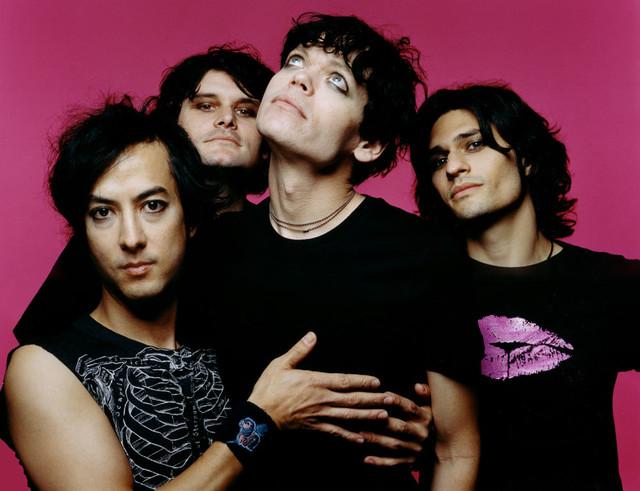
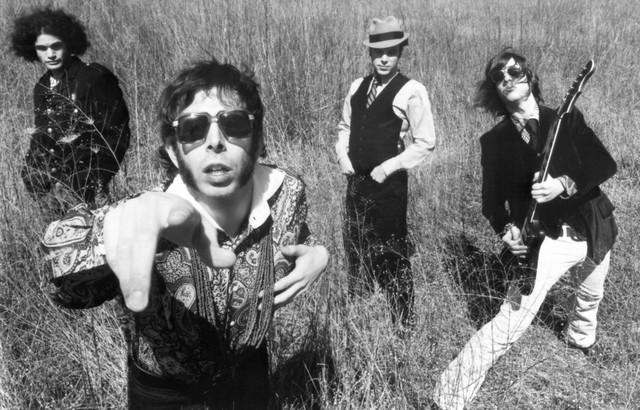
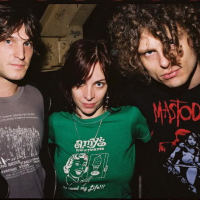
Burning Brides’ Spotify BioBurning Brides formed in Philadelphia in the spring of 1999. According to their label bio, Dimitri Coats (vocals/guitar) and his longtime girlfriend/musical partner Melanie Campbell (bass) dropped out of Juilliard art school (studying acting and dance, respectively) and spent two long years together "traversing the country in search of an environment responsive to their rock needs." They reportedly lived in San Francisco, Portland, OR, and Boston (where Coats grew up) before settling in the south Philly area, where they joined forces with drummer Mike Ambs and formed this heavy rock trio. They soon began drawing large crowds to their local shows as word of their aggressive stage presence began to spread. After first being scouted by several other labels, they eventually signed with the local File 13 imprint, then hit the road to tour the U.S. with musicians/groups like J Mascis, Zen Guerilla, and the Greenhornes while steadily building a growing fan base. Their debut album, Fall of the… Plastic Empire, was recorded in 2000 and upon its release the following year drew raves from several national music magazines that began pegging them as a garage rock band "on the verge." Plastic Empire was eventually picked up by V2, and the Brides got the word out through near constant touring. The label issued Leave No Ashes, their incendiary follow-up, two years later; it featured guest shots from types like Mike Watt and George Drakoulias. Though fans and critics took to the album enthusiastically, it never got the push it deserved from the label and the band started breaking down. After their only headlining tour, Ambs made his exit, and the two remaining Brides relocated to Los Angeles, got married, and started putting things back together. They recruited new skinsman Pete Beeman (ex-Guzzard) and managed to get out of their V2 contract with enough money in their pocket to finance the next Burning Brides record. Hang Love was recorded over the course of one month and eventually self-released in June 2007. ~ Bryan Thomas, Rovi
Viberate is a music analytics platform built for A&Rs, artist managers, labels, booking agents, marketers, and artists.
It helps music professionals track artist growth, analyze audience data, monitor playlist activity, compare artists, follow song performance, and identify opportunities across the music market.
Public artist pages provide a free preview of selected artist data. Paid plans provide access to deeper analytics, historical data, charts, comparisons, playlist tools, exports, alerts, reports, and additional professional features.
Yes. Public Viberate artist pages provide selected artist analytics and music data for free.
Viberate also offers a 7-day free trial of the full platform. A credit card is required to start the trial. The trial includes access to the complete product so users can test deeper artist analytics, historical views, playlist insights, comparisons, charts, exports, alerts, and reporting features before choosing a paid plan.
Viberate provides artist analytics across streaming, playlists, social media, video, radio airplay, songs, and audience markets.
Users can analyze Spotify performance, Spotify and Apple Music playlists, YouTube activity, TikTok and Instagram growth, radio spins, song performance, audience locations, demographics, rankings, and overall artist momentum.
Artist profiles also connect to music charts, similar artists, and comparison tools, helping users benchmark performance and evaluate artists in context.
Viberate updates key artist and track data daily.
For followed artists and tracks, selected data is refreshed multiple times per day. This helps teams monitor playlist changes, streaming movement, audience growth, releases, and campaign performance with more current data.
Update frequency can vary depending on the metric and data source.
Yes. Viberate lets users compare up to five artists side by side across streaming, social media, audience, and engagement metrics.
Users can compare fanbase growth, audience demographics, locations, Spotify performance, social metrics, and other artist data over selected time periods.
Artist comparison can be used for A&R scouting, benchmarking, booking decisions, campaign planning, and evaluating artists with similar audiences or market positions.