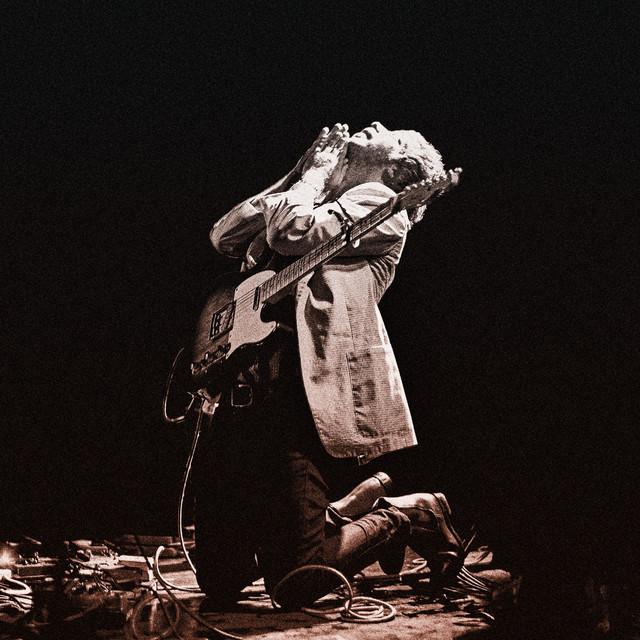
The Moondoggies

Rock
Folk Rock
Americana/Alt Country
 Viberate Rank: 207630
 Viberate Rank: 207630
 Monthly ListenersFollowers
 Subscribers
 Followers
 Followers
 FansTop Spotify Songs
| Track | 7-Day Streams | |
|---|---|---|
1 | 5.17K | |
2 | 2.01K | |
3 | 1.53K | |
4 | 685 | |
5 | 542 |
Top YouTube VideosMonthly ListenersFeatured in Playlists| Playlist | Followers | |
|---|---|---|
1 |  Nachtdieren BNNVARA | 36.60K |
2 | Catieosaurus 's Infinite ADHD Playlist Pt. 1 Catieosaurus | 16.21K |
3 | Red, Red Wine Ham Berry | 11.99K |
4 |  KEXP's Song of the Day 2018 KEXP | 9.15K |
5 | Josh Radnor's Song of the Day Sarah 🎧 | 6.37K |
Audience| City | Monthly Listeners | |
|---|---|---|
1 | | 498 |
2 | | 443 |
3 | | 424 |
4 | | 407 |
5 | | 402 |
See full performance history, audience data, playlist activity, rankings, comparisons, and more in Viberate music analytics. Start with a free trial, then continue with a paid plan.
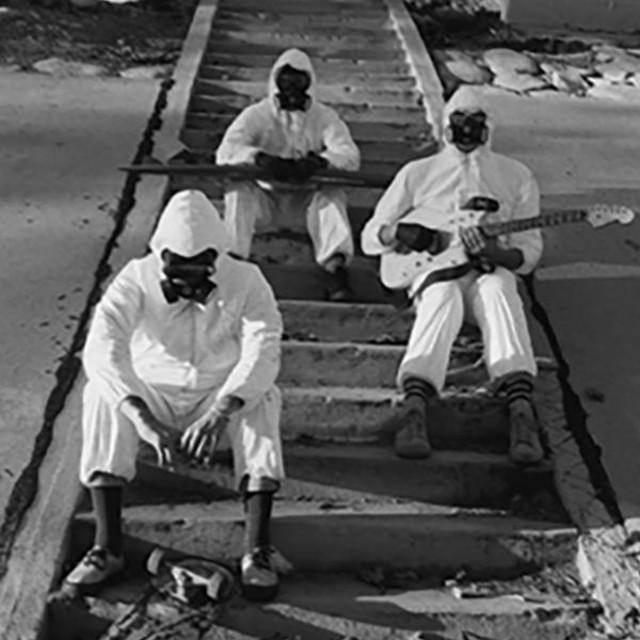
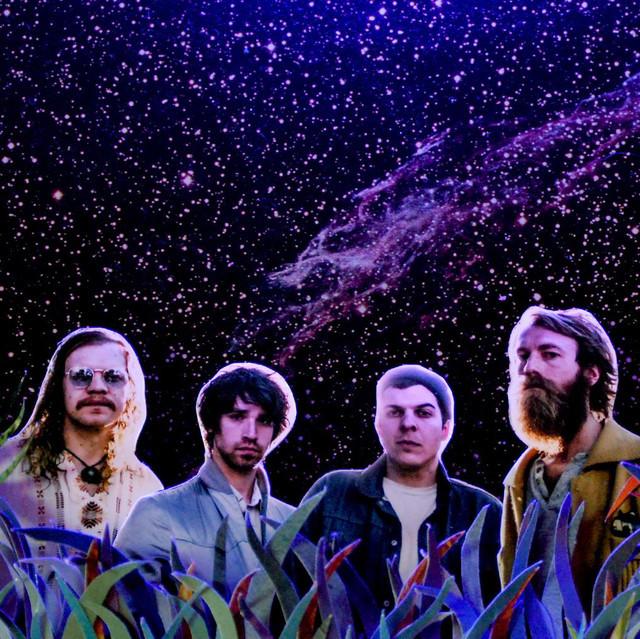
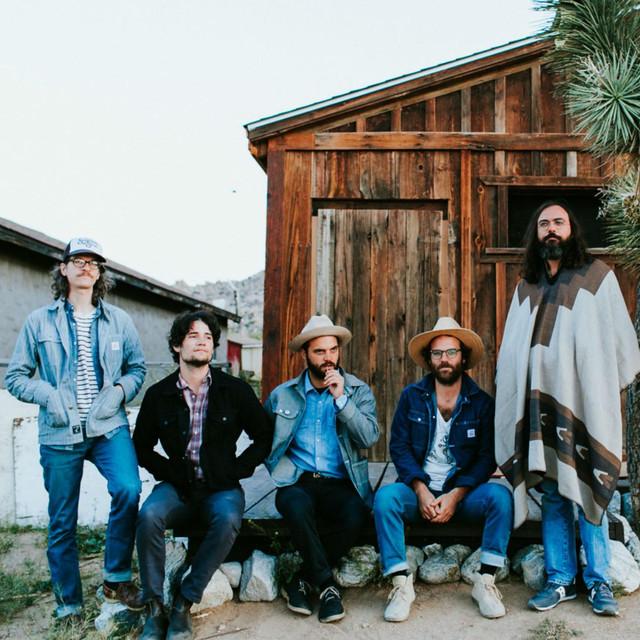
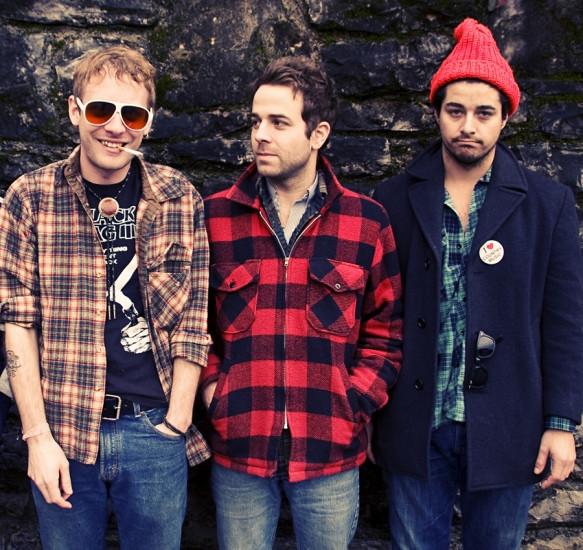
The Moondoggies’ Spotify BioRooted in folk,rock and woodsy Americana, the Moondoggies take influences from such vocally inclined groups as The Byrds, The Band, and The Flying Burrito Brothers. Although hailing from Seattle, seeds for the band's formation were planted in nearby Everett, Washington, where Kevin Murphy (vocals, guitar), Robert Terreberry (bass), Carl Dahlen (drums), and Caleb Quick (keyboards) formed a teenaged band while attending Cascade High School. The students discovered their talent for three-part vocal harmonies, and when Murphy returned from a summer-long stay in Alaska in 2005, the four friends reconvened in Seattle to form the Moondoggies. Taking up residence at a local dive bar named the Blue Moon Tavern, the Moondoggies honed their craft and soon netted a contract with Hardly Art, an imprint of Seattle's own Sub Pop . Don't Be a Stranger, the band's woozy debut, appeared in 2008, with the mature Tidelands following in October 2010. Third album Adios I'm a Ghost, released in 2013 and… aided by the addition of multi-instrumentalist Jon Pontrello to the band, fell somewhere between the two in sound and tone. ~ Andrew Leahey, Rovi
Viberate is a music analytics platform built for A&Rs, artist managers, labels, booking agents, marketers, and artists.
It helps music professionals track artist growth, analyze audience data, monitor playlist activity, compare artists, follow song performance, and identify opportunities across the music market.
Public artist pages provide a free preview of selected artist data. Paid plans provide access to deeper analytics, historical data, charts, comparisons, playlist tools, exports, alerts, reports, and additional professional features.
Yes. Public Viberate artist pages provide selected artist analytics and music data for free.
Viberate also offers a 7-day free trial of the full platform. A credit card is required to start the trial. The trial includes access to the complete product so users can test deeper artist analytics, historical views, playlist insights, comparisons, charts, exports, alerts, and reporting features before choosing a paid plan.
Viberate provides artist analytics across streaming, playlists, social media, video, radio airplay, songs, and audience markets.
Users can analyze Spotify performance, Spotify and Apple Music playlists, YouTube activity, TikTok and Instagram growth, radio spins, song performance, audience locations, demographics, rankings, and overall artist momentum.
Artist profiles also connect to music charts, similar artists, and comparison tools, helping users benchmark performance and evaluate artists in context.
Viberate updates key artist and track data daily.
For followed artists and tracks, selected data is refreshed multiple times per day. This helps teams monitor playlist changes, streaming movement, audience growth, releases, and campaign performance with more current data.
Update frequency can vary depending on the metric and data source.
Yes. Viberate lets users compare up to five artists side by side across streaming, social media, audience, and engagement metrics.
Users can compare fanbase growth, audience demographics, locations, Spotify performance, social metrics, and other artist data over selected time periods.
Artist comparison can be used for A&R scouting, benchmarking, booking decisions, campaign planning, and evaluating artists with similar audiences or market positions.