Middle Brother

Rock
Folk Rock
Americana/Alt Country
 Viberate Rank: 160913
 Viberate Rank: 160913
 Monthly ListenersFollowers
 Subscribers
 Followers
 Followers
 FansTop Spotify Songs
| Track | 7-Day Streams | |
|---|---|---|
1 | 12.92K | |
2 | 6.21K | |
3 | 6.06K | |
4 | 5.88K | |
5 | 2.97K |
Top YouTube VideosMonthly ListenersFeatured in Playlists| Playlist | Followers | |
|---|---|---|
1 |  Murderfolk - Essential Dark Folk and Southern Gothic Underground Alliance | 48.29K |
2 |  Folk Yeah! Stomp & Holler • Singer Songwriter • Acoustic Retro Tones | 25.35K |
3 |  Ultimate Chilled* Assia Grazioli Venier | 21.20K |
4 | Once (soundtrack from movie) tpickette | 20.67K |
5 |  Roadtrip Classics lukas | 20.32K |
Audience| City | Monthly Listeners | |
|---|---|---|
1 | | 1.32K |
2 | | 1.31K |
3 | | 1.14K |
4 | | 1.09K |
5 | | 848 |
See full performance history, audience data, playlist activity, rankings, comparisons, and more in Viberate music analytics. Start with a free trial, then continue with a paid plan.
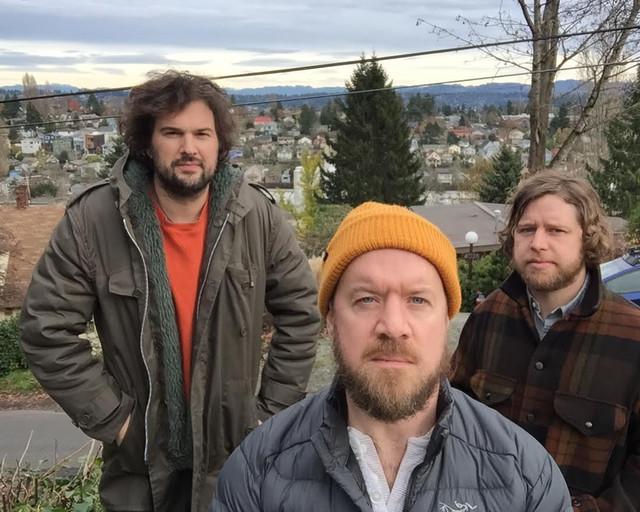
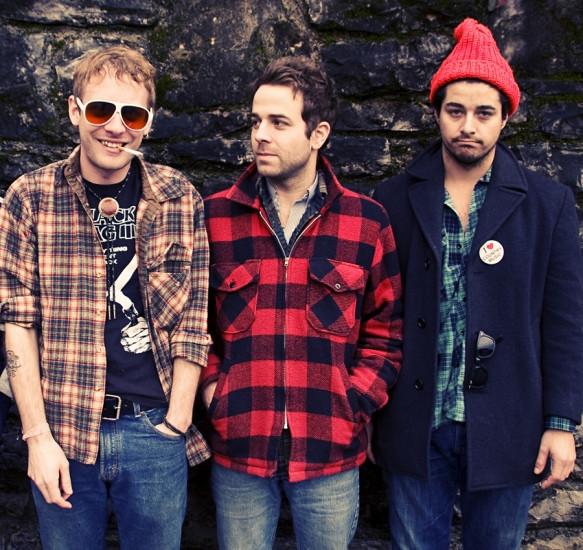
Middle Brother’s Spotify BioAfter chance collaborations over the years, folk-rock supergroup Middle Brother, briefly known as MG&V, officially came together in 2009. A trio of frontmen consisting of Deer Tick’s John McCauley, Dawes’ Taylor Goldsmith, and Delta Spirit’s Matthew Vasquez, Middle Brother have a sound that's dreamy and plaintive, pulling together aspects of the bandmembers' other work to create a unified sonic vision. Once the three songwriters realized how much they enjoyed being pushed by each other, things came together quickly for Middle Brother. In early 2010, they went into the studio in Nashville to record their debut, and then made their first stage appearance at SXSW just a few months later. Middle Brother, their self-titled debut, was released in 2011 by Partisan Records. ~ Gregory Heaney, Rovi
Viberate is a music analytics platform built for A&Rs, artist managers, labels, booking agents, marketers, and artists.
It helps music professionals track artist growth, analyze audience data, monitor playlist activity, compare artists, follow song performance, and identify opportunities across the music market.
Public artist pages provide a free preview of selected artist data. Paid plans provide access to deeper analytics, historical data, charts, comparisons, playlist tools, exports, alerts, reports, and additional professional features.
Yes. Public Viberate artist pages provide selected artist analytics and music data for free.
Viberate also offers a 7-day free trial of the full platform. A credit card is required to start the trial. The trial includes access to the complete product so users can test deeper artist analytics, historical views, playlist insights, comparisons, charts, exports, alerts, and reporting features before choosing a paid plan.
Viberate provides artist analytics across streaming, playlists, social media, video, radio airplay, songs, and audience markets.
Users can analyze Spotify performance, Spotify and Apple Music playlists, YouTube activity, TikTok and Instagram growth, radio spins, song performance, audience locations, demographics, rankings, and overall artist momentum.
Artist profiles also connect to music charts, similar artists, and comparison tools, helping users benchmark performance and evaluate artists in context.
Viberate updates key artist and track data daily.
For followed artists and tracks, selected data is refreshed multiple times per day. This helps teams monitor playlist changes, streaming movement, audience growth, releases, and campaign performance with more current data.
Update frequency can vary depending on the metric and data source.
Yes. Viberate lets users compare up to five artists side by side across streaming, social media, audience, and engagement metrics.
Users can compare fanbase growth, audience demographics, locations, Spotify performance, social metrics, and other artist data over selected time periods.
Artist comparison can be used for A&R scouting, benchmarking, booking decisions, campaign planning, and evaluating artists with similar audiences or market positions.