The Meteors

Rock
Rockabilly
Psychobilly
 Viberate Rank: 75454
 Viberate Rank: 75454
 Monthly ListenersFollowers
 Subscribers
 Followers
 Followers
 FansTop Spotify Songs
| Track | 7-Day Streams | |
|---|---|---|
1 | 8.78K | |
2 | 4.37K | |
3 | 3.24K | |
4 | 3.08K | |
5 | 2.34K |
Top YouTube VideosMonthly ListenersFeatured in Playlists| Playlist | Followers | |
|---|---|---|
1 |  Witchy Songs 🔮🌙 Sarah | 97.71K |
2 |  Garage, Surf & Rockabilly Spotify | 85.94K |
3 |  ANTENA 1 ⭐️ Sucessos e Clássicos Internacionais Flashback Carlos Eduardo 🇧🇷 | 46.13K |
4 | rockabilly hot rod music Joshua Fuller | 20.92K |
5 | joogular Naseem Eskandari | 15.55K |
Audience| City | Monthly Listeners | |
|---|---|---|
1 |  | 2.48K |
2 |  | 1.59K |
3 | | 1.06K |
4 |  | 922 |
5 | | 868 |
See full performance history, audience data, playlist activity, rankings, comparisons, and more in Viberate music analytics. Start with a free trial, then continue with a paid plan.
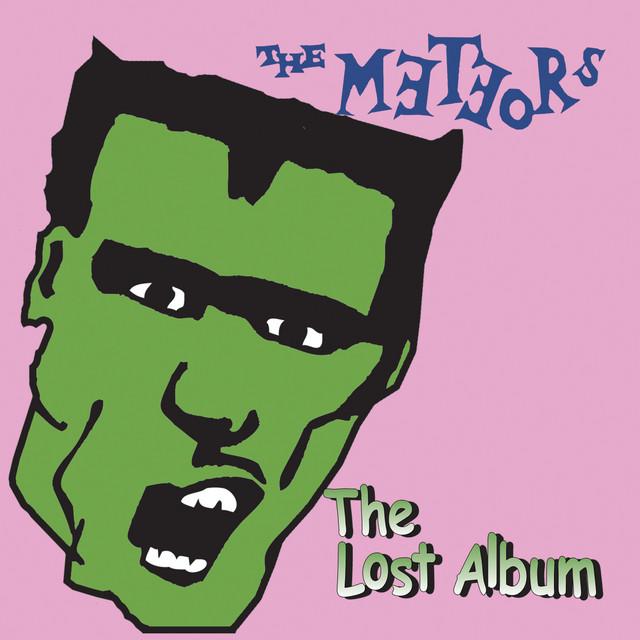
The Meteors’ Spotify BioCombining a revved-up variant on the classic rockabilly sound with a tongue-in-cheek obsession with horror movies and cartoonish violence, the Meteors are the U.K.'s leading psychobilly outfit. 1983's Wreckin' Crew was the Meteors' breakthrough album and their definitive release, documenting their trademark mix of raw and twangy guitar, slapping upright bass, and mock-scary lyrics dripping with echo. 1999's From Zorch with Love: The Very Best of the Meteors 1981-1987 skims the cream from their golden era, while albums like 2005's Don't Touch the Bang Bang Fruit, 2012's Doing the Lord's Work and 2024's 40 Days A Rotting confirm that the band have remained true to their sound throughout the decades.
The Meteors were the brainchild of guitarist and vocalist Paul Fenech, who first made a name for himself in the late '70s as a member of the British rockabilly group the Southern Boys. After a spell, Fenech and Southern Boys upright bassist Nigel Lewis teamed up to form a two-man rockabilly… combo, Rock Therapy; drummer Mark Robertson was added to the lineup in 1980, and the group adopted a new name, Raw Deal.
While Raw Deal was beginning to attract attention among rockabilly fans and had landed spots on compilation albums, Fenech decided to give the group a new image. They adopted a punk-inspired look, added a mock-sinister undertow to their music, and adopted lyrics inspired by horror films such as The Hills Have Eyes and Blue Sunshine. Needing a new name to go with their new image, they began calling themselves the Meteors. In 1981, the group released its first album, In Heaven, issued as part of an ill-fated deal with Island Records, but the band's real breakthrough came with 1983's Wreckin' Crew, which featured a hit single cover of "Johnny Remember Me." By this time, Lewis and Robertson were both out of the band, replaced by Mick White and Steve "Ginger" Meadham, who took over on bass and drums, respectively; frequent personnel turnovers would be a regular part of the Meteors' story from this point forward, with Fenech the sole constant though literally dozens of lineups (though drummer Wolfgang Hordemann would join in 1993 and remain with the band well into the 2010s).
The Meteors remained a popular attraction in the United Kingdom and Europe, touring frequently and releasing recordings at a steady pace through the 1980s and '90s, though the group were little more than a cult item in the United States. In the fall of 2000, Fenech announced that the Meteors would be giving up live performances following a swing through Germany, but to the relief of fans, he reconsidered, and a few years later yet another lineup of the group was touring regularly and hard at work on new recordings.
The Meteors would release ten albums between 2000 and 2009 while keeping up a busy road schedule, and even though they slowed down a bit in the following decade, they managed to put out both Doing the Lord's Work and Maniac Rockers from Hell in 2012. Their next studio album, The Power of 3, came out in 2016, and 2021 brought Skull N Bones. It included both vocal and instrumental selections, and a cover of the Adverts' iconic "Gary Gilmore's Eyes." Several cuts from Skull N Bones would also appear on a 2021 CD titled Skull N Bones & the Curse of Skull N Bones, which beefed up the track selection from 12 to 21 songs. 2021 also brought a studio set from the band, Dreamin' Up a Nightmare, issued by the German Mutant Rock label. A single, "Murder Party" b/w "Dead Man's Hand," appeared in November 2023; it was a preview of the LP 40 Days A Rotting, which was delivered to fans in April 2024. ~ Mark Deming
Viberate is a music analytics platform built for A&Rs, artist managers, labels, booking agents, marketers, and artists.
It helps music professionals track artist growth, analyze audience data, monitor playlist activity, compare artists, follow song performance, and identify opportunities across the music market.
Public artist pages provide a free preview of selected artist data. Paid plans provide access to deeper analytics, historical data, charts, comparisons, playlist tools, exports, alerts, reports, and additional professional features.
Yes. Public Viberate artist pages provide selected artist analytics and music data for free.
Viberate also offers a 7-day free trial of the full platform. A credit card is required to start the trial. The trial includes access to the complete product so users can test deeper artist analytics, historical views, playlist insights, comparisons, charts, exports, alerts, and reporting features before choosing a paid plan.
Viberate provides artist analytics across streaming, playlists, social media, video, radio airplay, songs, and audience markets.
Users can analyze Spotify performance, Spotify and Apple Music playlists, YouTube activity, TikTok and Instagram growth, radio spins, song performance, audience locations, demographics, rankings, and overall artist momentum.
Artist profiles also connect to music charts, similar artists, and comparison tools, helping users benchmark performance and evaluate artists in context.
Viberate updates key artist and track data daily.
For followed artists and tracks, selected data is refreshed multiple times per day. This helps teams monitor playlist changes, streaming movement, audience growth, releases, and campaign performance with more current data.
Update frequency can vary depending on the metric and data source.
Yes. Viberate lets users compare up to five artists side by side across streaming, social media, audience, and engagement metrics.
Users can compare fanbase growth, audience demographics, locations, Spotify performance, social metrics, and other artist data over selected time periods.
Artist comparison can be used for A&R scouting, benchmarking, booking decisions, campaign planning, and evaluating artists with similar audiences or market positions.