The Mermen

Rock
Alternative Rock
Indie Rock
 Viberate Rank: 233292
 Viberate Rank: 233292
 Monthly ListenersFollowers
 Subscribers
 Followers
 Followers
 FansTop Spotify Songs
| Track | 7-Day Streams | |
|---|---|---|
1 | 3.14K | |
2 | 910 | |
3 | 550 | |
4 | 395 | |
5 | 383 |
Top YouTube VideosMonthly ListenersFeatured in Playlists| Playlist | Followers | |
|---|---|---|
1 |  El Sótano de Radio 3 Groovyfamily | 9.84K |
2 |  WESTeRN FUNK PUNK SURFaBiLLY 🌵western rock and roll🌵 Rance Lane | 9.16K |
3 |  Austin Powers Playlist Katinka Garos | 8.74K |
4 |  GSA'yla Karantina Keyfs Gaye Su Akyol | 7.20K |
5 | Indie Instrumentals Mike Kasarda | 6.65K |
Audience| City | Monthly Listeners | |
|---|---|---|
1 | | 323 |
2 | | 280 |
3 | | 262 |
4 | | 252 |
5 | | 211 |
See full performance history, audience data, playlist activity, rankings, comparisons, and more in Viberate music analytics. Start with a free trial, then continue with a paid plan.
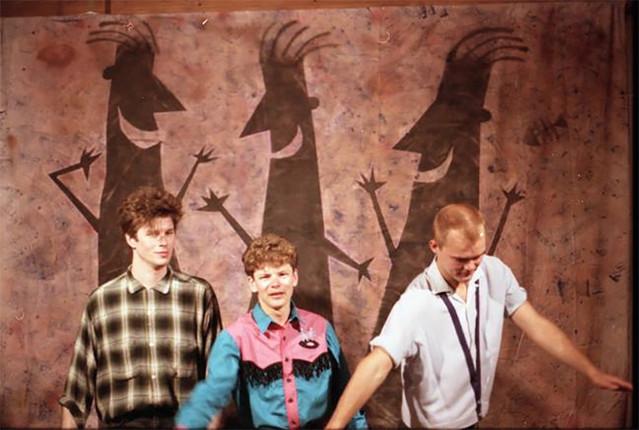
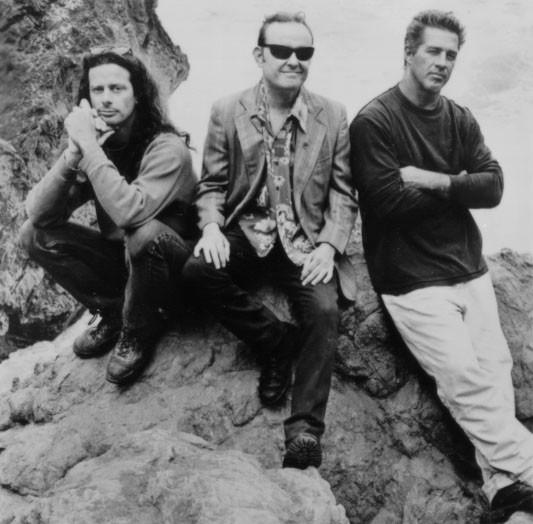
The Mermen’s Spotify BioOne of the odder and more wonderful bands to emerge from the surf music revival, the Mermen race between high-octane surf anthems and spaced-out blasts of psychedelia. Neither their albums nor their live shows follow any sort of expected or ordinary path, and the band has made many sincere attempts to get away from the surf music label. Based in San Francisco, they have developed a broad cult following, encourages home tapers, and have developed a strong relationship with radio, resulting in numerous broadcasts, some of which were compiled for The Mermen at the Haunted House (1994).
The Mermen came together almost by accident in 1989, when guitarist Thomas was 35. He was working in a San Francisco music store and experimenting with demo recording equipment, although he didn't really consider himself a musician and had never played in a band. Before long he was joined by bassist Allan Whitman and drummer Martyn Jones, neither of whom fit any kind of pre-determined image of surf musicians… (both men, like Thomas, were in their mid-thirties), helping to propel the band away from its surf guitar roots, despite their first album, Krill Slippin' (1989; CD reissue in 1995), being essentially a pastiche of surf music to that date.
Their next album, Food for Other Fish (1994), saw a dramatic shift in the overall Mermen sound, as Thomas allowed himself free rein to improvise and try a variety of different sounds and techniques, aided by a huge rack of effects boxes and a floor full of effects pedals. The wall of sound generated by Thomas, combined with the distinctive work of Whitman and Jones, brought about comparisons to both Sonic Youth and Dick Dale. Both of these associations are effectively limiting, however, as the Mermen sound does a good job of defying description -- while the band can play surf music as well as anyone, they are even more adept at pushing into the experimental spaces that take in everyone from John Coltrane to Pink Floyd.
Their following continued to grow in the year between the release of Food for Other Fish and the original 1995 release of A Glorious Lethal Euphoria, a 72-minute tour de force originally released by Toadaphile Records. The album drew widespread attention, selling out its first runs. The activity drew the attention of Mesa/Bluemoon Records, a division of Atlantic, which proceeded to sign the band, releasing a revised version of A Glorious Lethal Euphoria later in 1995. An EP, Songs of the Cows, recorded in three days in the midst of a tour, was released in 1996. Besides the "official" CD releases, the Mermen have also released a number of limited-edition cassettes featuring early, live, and radio station performances, as well as The Mermen Sing Merry Christmas to You. Taking some time to craft the official follow-up to A Glorious Lethal Euphoria, the Mermen returned in 2000 with the full-length The Amazing California Health and Happiness Road Show. ~ Steven McDonald, Rovi
Viberate is a music analytics platform built for A&Rs, artist managers, labels, booking agents, marketers, and artists.
It helps music professionals track artist growth, analyze audience data, monitor playlist activity, compare artists, follow song performance, and identify opportunities across the music market.
Public artist pages provide a free preview of selected artist data. Paid plans provide access to deeper analytics, historical data, charts, comparisons, playlist tools, exports, alerts, reports, and additional professional features.
Yes. Public Viberate artist pages provide selected artist analytics and music data for free.
Viberate also offers a 7-day free trial of the full platform. A credit card is required to start the trial. The trial includes access to the complete product so users can test deeper artist analytics, historical views, playlist insights, comparisons, charts, exports, alerts, and reporting features before choosing a paid plan.
Viberate provides artist analytics across streaming, playlists, social media, video, radio airplay, songs, and audience markets.
Users can analyze Spotify performance, Spotify and Apple Music playlists, YouTube activity, TikTok and Instagram growth, radio spins, song performance, audience locations, demographics, rankings, and overall artist momentum.
Artist profiles also connect to music charts, similar artists, and comparison tools, helping users benchmark performance and evaluate artists in context.
Viberate updates key artist and track data daily.
For followed artists and tracks, selected data is refreshed multiple times per day. This helps teams monitor playlist changes, streaming movement, audience growth, releases, and campaign performance with more current data.
Update frequency can vary depending on the metric and data source.
Yes. Viberate lets users compare up to five artists side by side across streaming, social media, audience, and engagement metrics.
Users can compare fanbase growth, audience demographics, locations, Spotify performance, social metrics, and other artist data over selected time periods.
Artist comparison can be used for A&R scouting, benchmarking, booking decisions, campaign planning, and evaluating artists with similar audiences or market positions.